A new scientific assessment reveals a 20% drop in precipitation across the Ravi, Beas and Sutlej basins from 1951‑2024, while the western Indus tributaries show only marginal change. The findings rekindle debate over the viability of the 1960 Indus Waters Treaty between India and Pakistan.
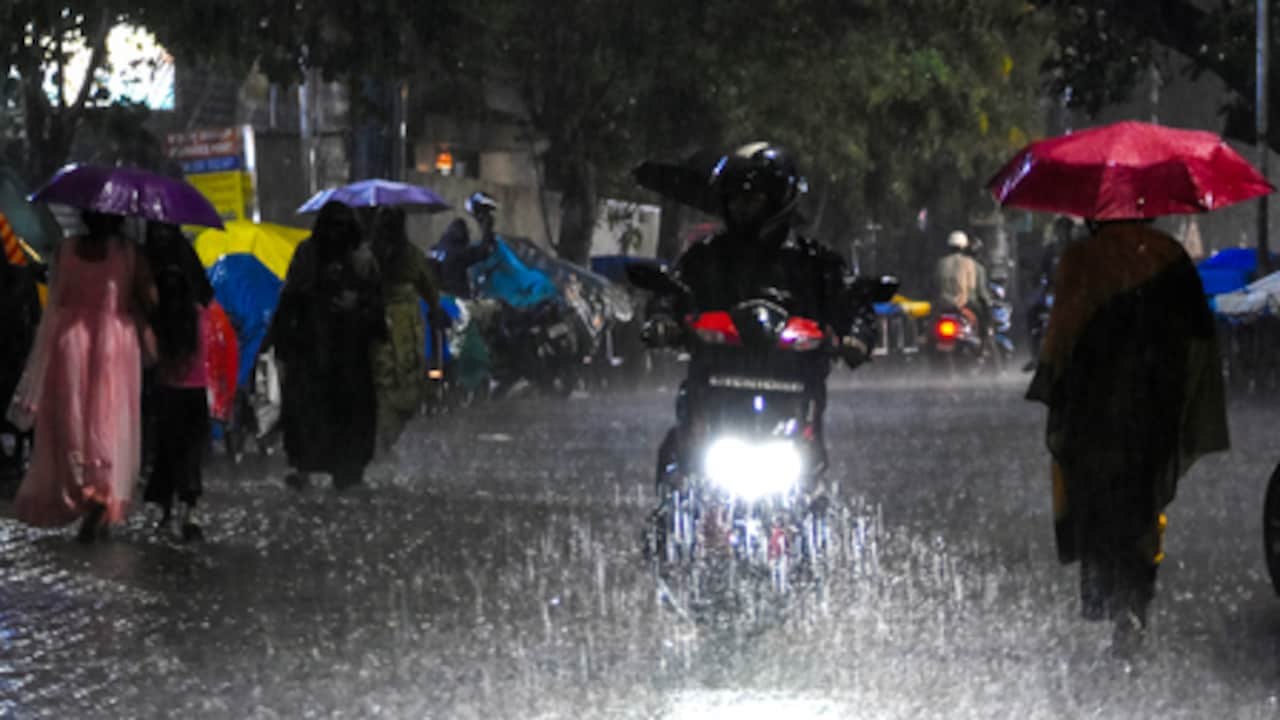
In the first comprehensive evaluation of climate‑change impacts on the Indus River system, researchers from the Indian Institute of Technology Gandhinagar have documented a stark reduction in rainfall across the three eastern basins—Ravi, Beas and Sutlej—over the period 1951‑2024. Led by Professor Vimal Mishra and colleague Urmin Vegad, the study reports an average 20% decline in precipitation, contrasted with a statistically insignificant 6% dip in the western basins (Indus, Jhelum, Chenab).
Key Findings of the Study
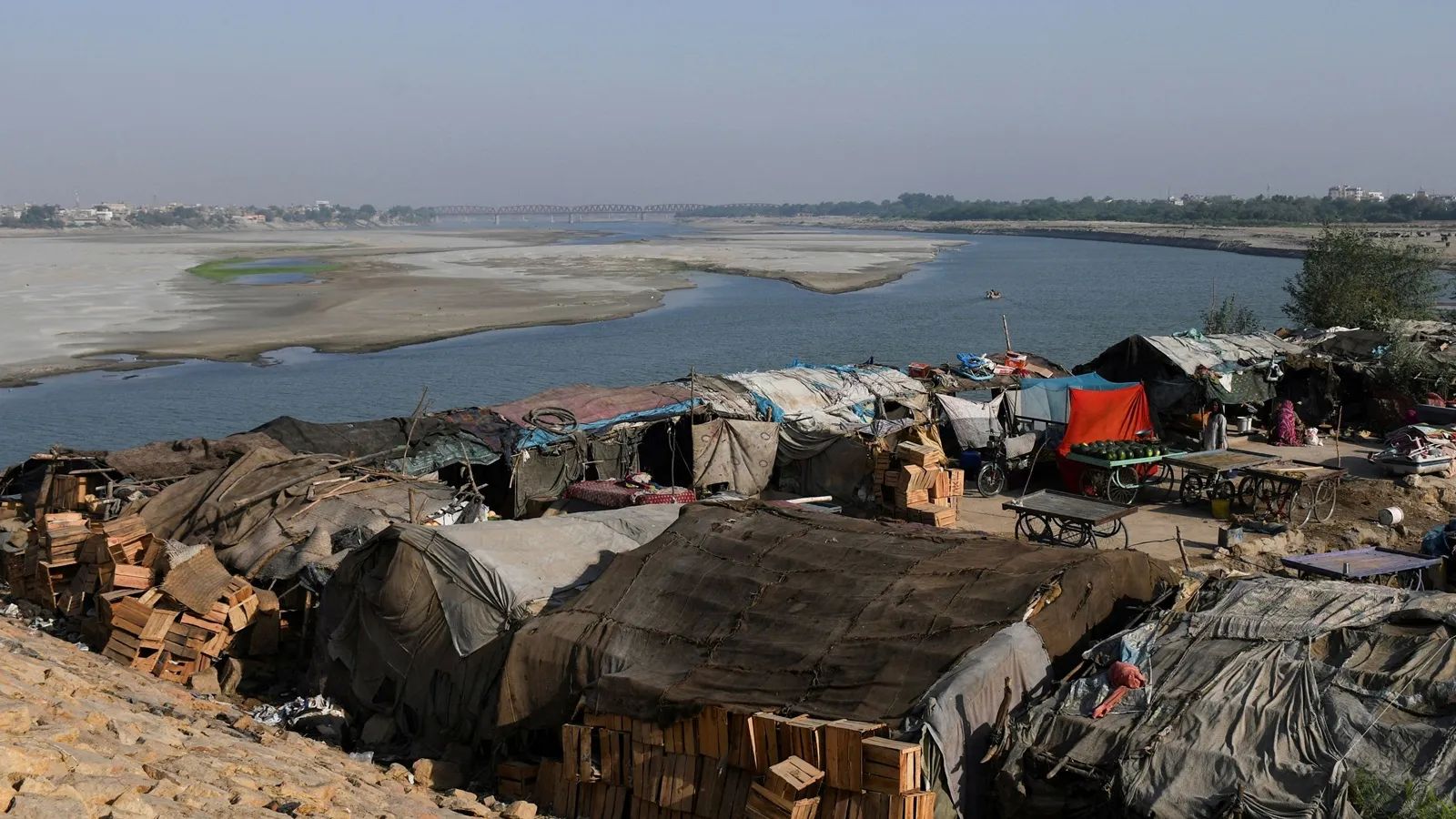
Beyond rainfall, the analysis highlights severe groundwater depletion in the Sutlej and Ravi sub‑basins, whereas the Chenab, Jhelum and Indus basins display relatively healthier aquifer levels—attributed to lower agricultural demand, sparser population density, and higher recharge from snowmelt. Major dams on the eastern rivers, such as Pong, Bhakra and Thein, have experienced a dramatic drop—Pong Dam’s annual inflow fell by roughly 34% between 1951 and 2020. In contrast, Pakistan’s flagship reservoirs—Mangla and Tarbela—built on the western rivers, have remained largely stable.
Implications for the Indus Waters Treaty
The 1960 Indus Waters Treaty allocates the waters of the three eastern rivers exclusively to India and the waters of the three western rivers primarily to Pakistan. The new data underscores India’s long‑standing claim that the treaty, drafted under mid‑20th‑century hydro‑climatic conditions, no longer reflects present‑day realities. India has already issued multiple notices in 2023 and 2024 urging Pakistan to renegotiate the agreement, citing population pressure, changing water demand, clean‑energy development, and climate‑driven hydrological shifts. Pakistan has yet to respond.
Future Challenges
According to Mishra, “Most of these changes are natural, but groundwater depletion is anthropogenic. Collectively, they alter the baseline that existed when the treaty was signed.” The study warns that the treaty may become unsustainable if the observed trends continue, urging policymakers to reconsider water‑sharing frameworks, enhance trans‑border water‑security cooperation, and integrate climate‑adaptive strategies into future agreements.