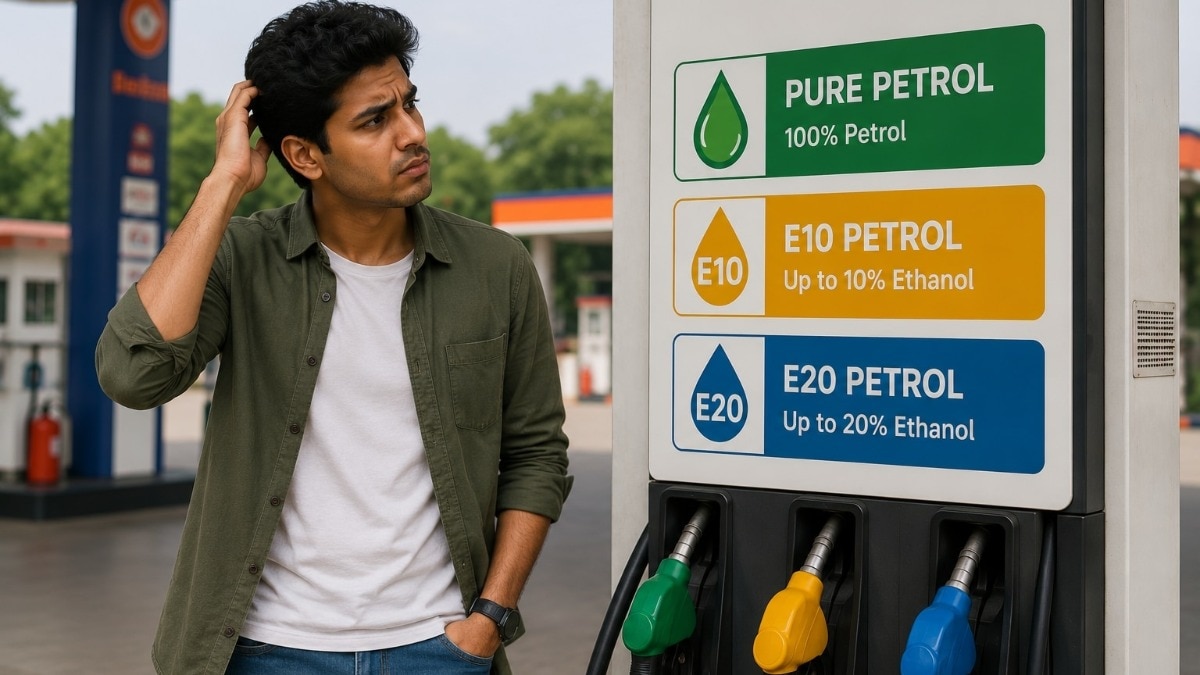
Following a surge in complaints about reduced fuel efficiency in older cars, the Indian government has detailed the scientific validation, economic benefits, and environmental impact of the E20 blend. Officials assure that the fuel poses no widespread engine risk.
Key Takeaways
- E20 petrol is scientifically validated as safe for all vehicles.
- Some cars may see a 3‑5% drop in mileage, but no major engine damage has been recorded.
- Extensive testing with manufacturers and research bodies preceded the nationwide rollout.
India achieved its 20 % ethanol‑blended petrol (E20) target in April 2025, well ahead of the 2030 deadline, aiming to cut crude‑oil imports, bolster energy security, lower emissions, and raise farmer incomes. Yet a LocalCircles survey released in July 2026 found that 66 % of owners of petrol cars manufactured before 2023 reported more than a 10 % decline in fuel efficiency since early 2025 – a sharp rise from the 45 % reported in a May 2026 poll.
Policy Evolution and Historical Context
The ethanol‑blending programme dates back to 2001 pilot projects, with a formal announcement in 2004, the rollout of E5 in several states by 2006, and a policy framework in 2013. The National Biofuel Policy of 2018 expanded feedstock options and attracted private investment, setting the stage for the transition to E20 after extensive consultations with automobile manufacturers, oil firms, and technical experts.
Technical Validation and Safety Assurance
The Ministry of Petroleum and Natural Gas emphasizes that E20 was introduced only after rigorous testing by the Automotive Research Association of India (ARAI), SIAM, and major oil companies. These trials covered a wide range of vehicle ages and models, revealing no systemic corrosion, abnormal wear, or engine failures attributable to the blend. Industry data suggest millions of older cars have been serviced without any E20‑related damage reports.
Economic and Environmental Implications
While the blend is not primarily intended to lower pump prices, it reduces reliance on imported crude oil, saves foreign‑exchange reserves, cuts carbon emissions, and secures remunerative prices for farmers producing ethanol. At current oil prices, producing E20 can sometimes be costlier than pure petrol, but the broader strategic gains—energy independence and cleaner air—are deemed worthwhile.
Government Message to Consumers
Officials urge motorists to disregard unverified claims circulating on social media. E20’s quality is monitored under Bureau of Indian Standards (BIS) norms, and the fuel is distributed through a single, integrated supply chain to avoid logistical complications. In sum, the government positions E20 as a scientifically backed, safe, and environmentally friendly fuel that supports national energy goals and farmer livelihoods.