U.S. NOAA warns that the current El Niño could be the most powerful since 1950, threatening a below‑normal monsoon across India. The article offers in‑depth analysis of the forecast, historical context, and potential impacts.
Key Takeaways
- El Niño may reach its strongest level since 1950
- India's monsoon rainfall could fall below 94% of average
- Indian Ocean Dipole is unlikely to offset the El Niño effects
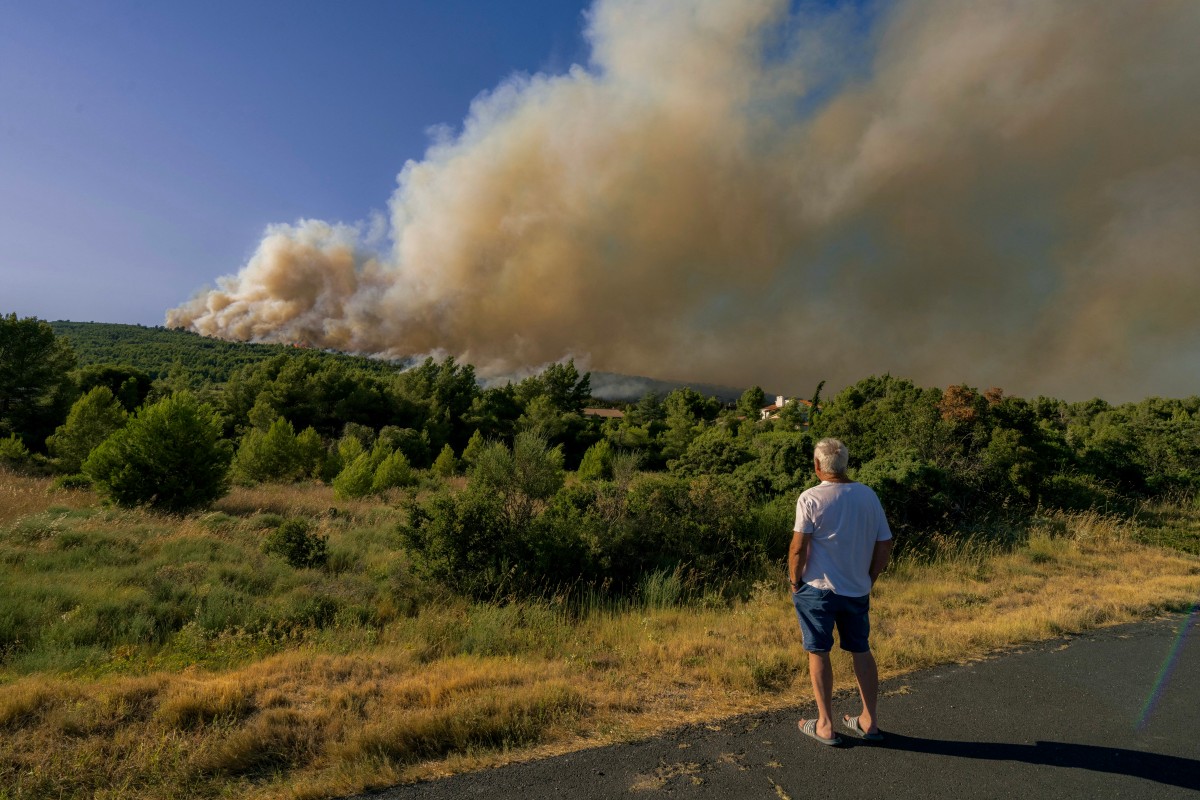
The U.S. National Oceanic and Atmospheric Administration (NOAA) announced in its monthly bulletin that there is an 81% chance of a very strong El Niño during October‑December, a magnitude that would rank among the largest events on record dating back to 1950. This climate phenomenon, characterized by unusually warm Pacific waters, disrupts global weather patterns and can trigger extreme conditions worldwide.
Background and Historical Perspective
El Niño‑Southern Oscillation (ENSO) consists of two phases – El Niño and La Niña – driven by ocean‑atmosphere interactions in the Pacific. The 2015‑16 “Godzilla” El Niño remains the most intense in recent memory, persisting for nearly two years and shattering climate records. Other notably strong episodes occurred in 1997‑98, 1991‑92, and 1982‑83, each bringing severe droughts, heatwaves, and anomalous rainfall across continents.
Immediate Implications for India
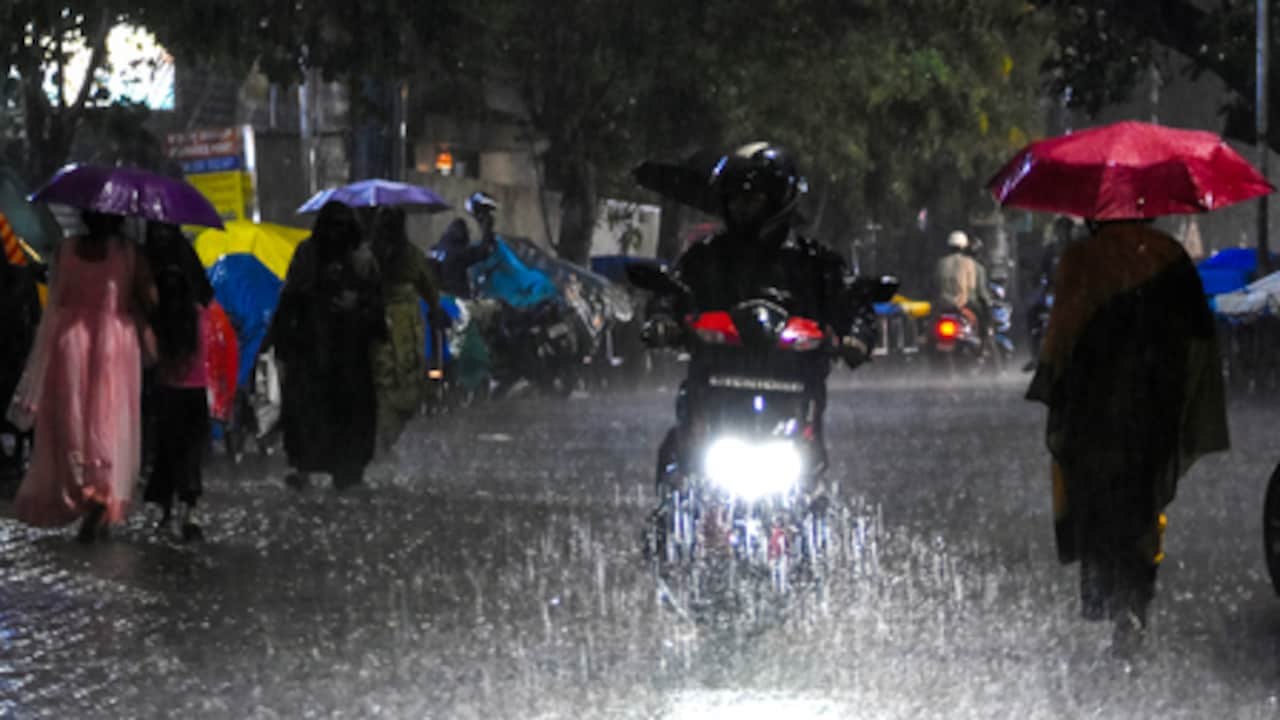
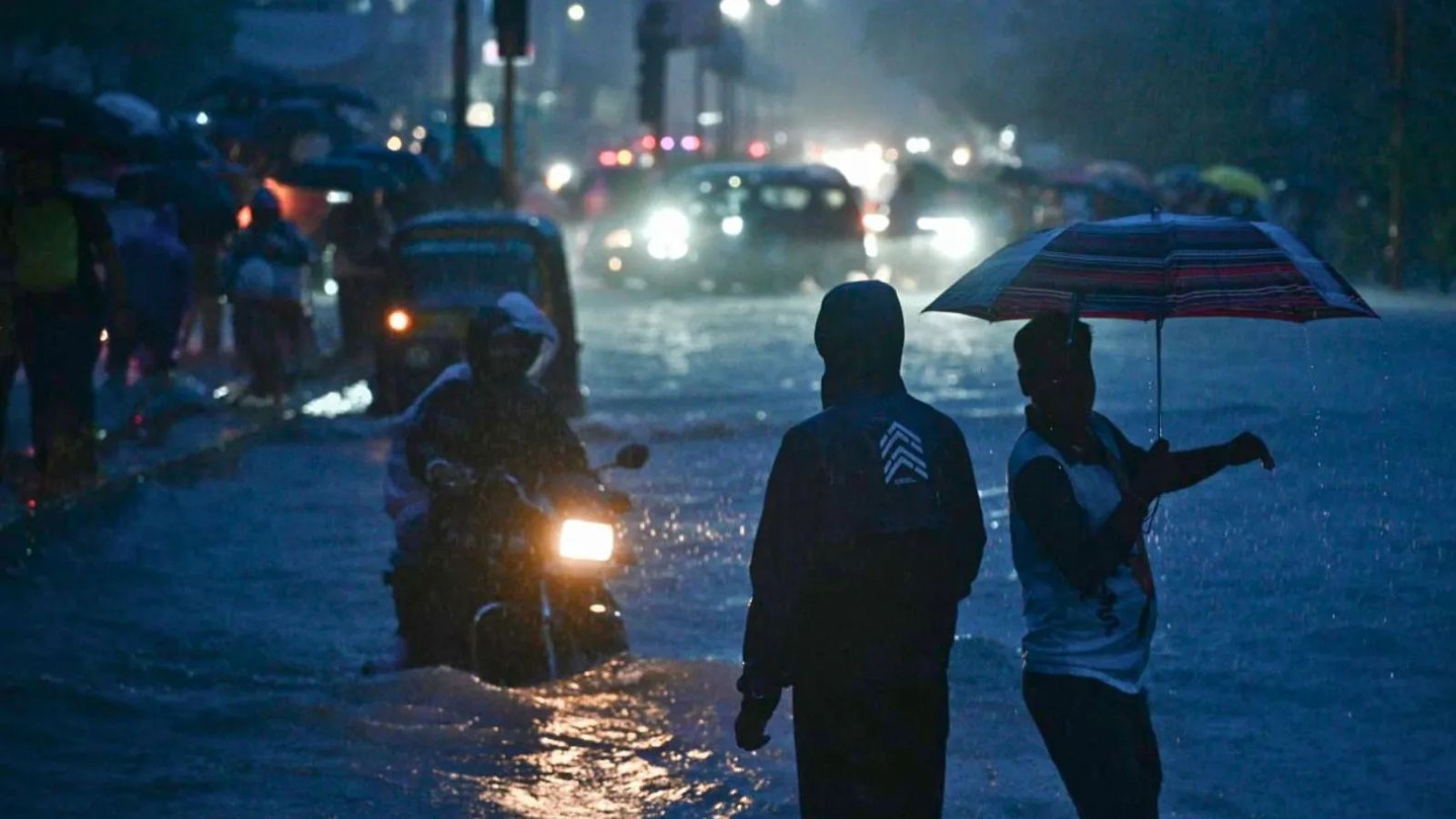
India’s Meteorological Department (IMD) issued a weekly update on July 9, projecting slightly below‑normal rainfall across the nation until July 22. While Rajasthan, parts of Telangana, Andhra Pradesh, Maharashtra and interior Karnataka may see near‑normal levels, the overall monsoon is expected to drop to below 94% of the long‑period average for July. This early shortfall, which accounts for the bulk of India’s seasonal rainfall, could be the first tangible sign of El Niño’s impact.
Role of the Indian Ocean Dipole (IOD)
The Indian Ocean Dipole, ENSO’s counterpart in the Indian Ocean, currently remains in a neutral phase. A positive IOD can mitigate El Niño’s suppressive influence on Indian rainfall, but experts deem such a reversal unlikely this season, leaving the country exposed to the full brunt of the warming event.
Future Outlook
NOAA reports that the current El Niño began in June and is projected to intensify, persisting into early 2027. The Niño 3.4 index has already crossed 1.2 °C – a moderate range – and would be classified as “strong” beyond 1.5 °C and “very strong” past 2 °C. The agency assigns a 97% probability that the event will continue through early spring 2027. Given this trajectory, Indian policymakers must accelerate water‑conservation measures, adjust agricultural calendars, and bolster disaster‑response frameworks to mitigate the anticipated deficit in monsoon rains.