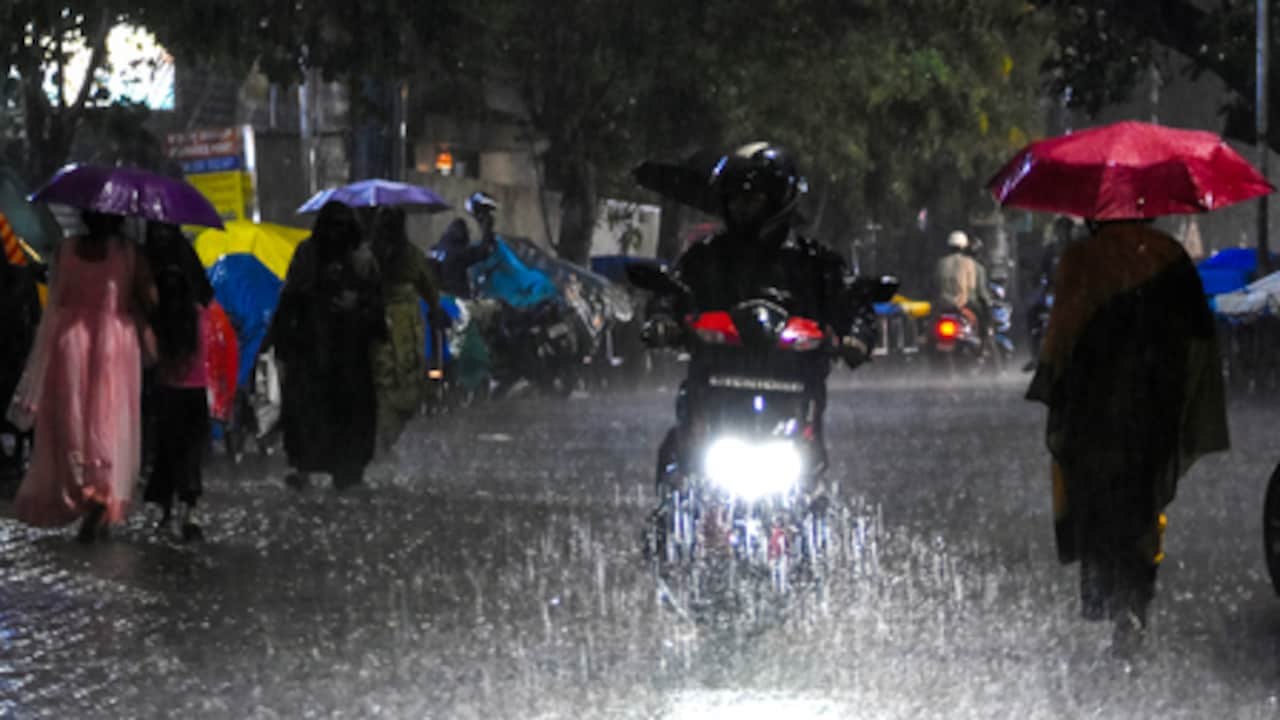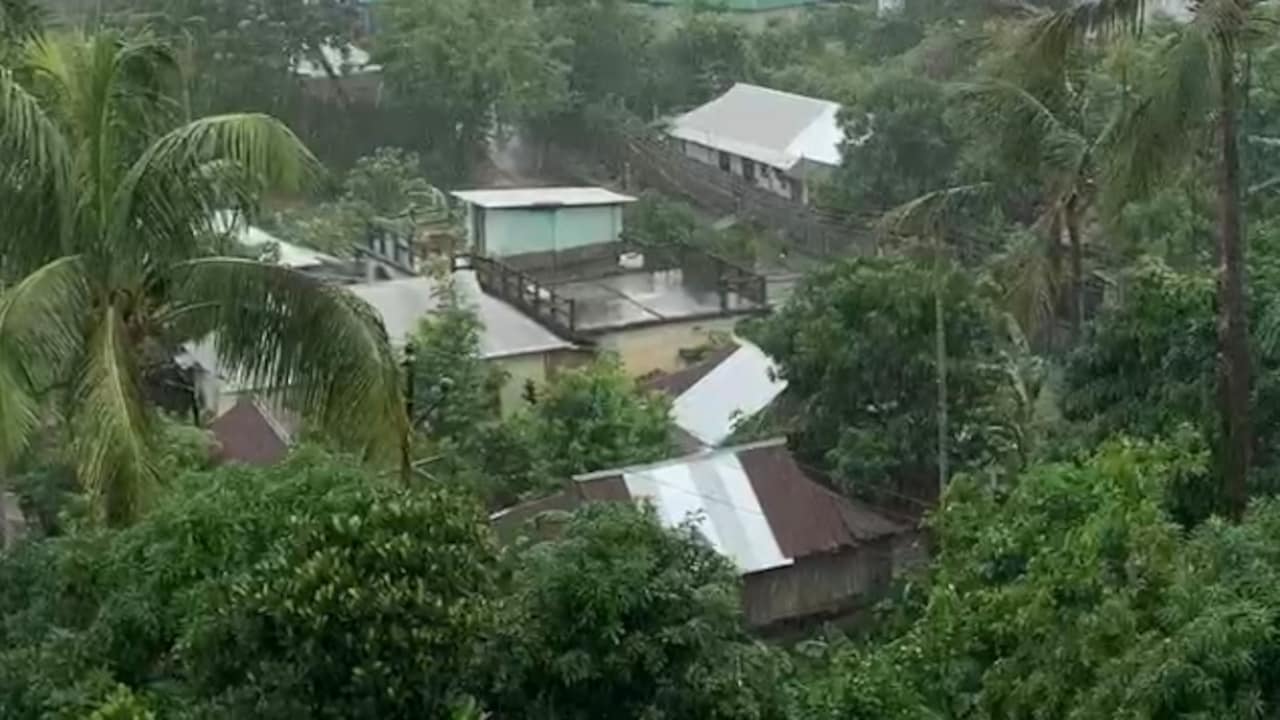
Heavy rainfall across three districts of Tripura triggered sudden flash floods, resulting in one fatality and forcing nearly 11,000 residents into relief camps. The deluge damaged 4,027 homes, compelling authorities to launch extensive rescue and rehabilitation operations.
Key Takeaways
- Continuous heavy rain caused flash floods in Tripura.
- One death reported; 11,000 people moved to relief camps.
- 4,027 houses damaged, highlighting urgent reconstruction needs.
Intense monsoon rains over the past few days have unleashed flash floods across three districts of Tripura—Khowai, Dhalai, and Unakoti—displacing approximately 11,000 residents and forcing them into temporary relief camps. At least one casualty has been confirmed, and the state’s emergency services are scrambling to reach isolated communities as water levels continue to rise.
Background and Historical Context
Tripura, a small northeastern state, has a long history of flood-related disruptions due to its hilly terrain, dense river networks, and insufficient drainage infrastructure. The region has previously suffered major inundations in 2016 and 2020, events that exposed systemic vulnerabilities and prompted incremental upgrades to flood‑warning systems. This latest episode, though geographically limited, underscores persistent gaps in preparedness and the increasing volatility of monsoon patterns.
Government Response and Relief Operations
The Tripura government swiftly declared a state of emergency, mobilising the National Disaster Response Force (NDRF) and Indian Army units to assist with rescue missions. Twelve relief camps have been set up, offering food, clean water, and medical aid to displaced families. Roads connecting affected villages are being cleared, while temporary shelters are being erected to accommodate those whose homes have been rendered unsafe. With 4,027 houses reported damaged, reconstruction will likely extend over several months, necessitating coordinated financial assistance and long‑term planning.
Environmental Impact and Future Challenges
Experts link the increasing frequency of flash floods to broader climate‑change dynamics, including erratic rainfall and rising river discharge rates. Deforestation in upstream catchments and inadequate urban planning have aggravated the situation, limiting natural water absorption and accelerating runoff. To mitigate future risks, authorities are urged to adopt technology‑driven watershed management, enhance early‑warning systems, and engage local communities in resilience‑building initiatives.
Conclusion
The Tripura floods serve as a stark reminder that climate‑induced extreme weather events are no longer isolated incidents but recurring challenges demanding swift policy action. Effective water‑resource management, robust infrastructure upgrades, and sustained community outreach will be crucial in safeguarding lives and livelihoods against the looming threat of similar disasters.