When Thomas Austin released just 13 European rabbits on his New South Wales estate in 1859, he could not have imagined the cascade of ecological ruin that would follow. This piece examines the rabbit boom, its devastating impact on native ecosystems, and the ongoing battle to contain it.
Key Takeaways
- 13 European rabbits introduced in 1859
- Rapid population boom caused massive ecological damage
- Decades‑long control measures and their mixed results
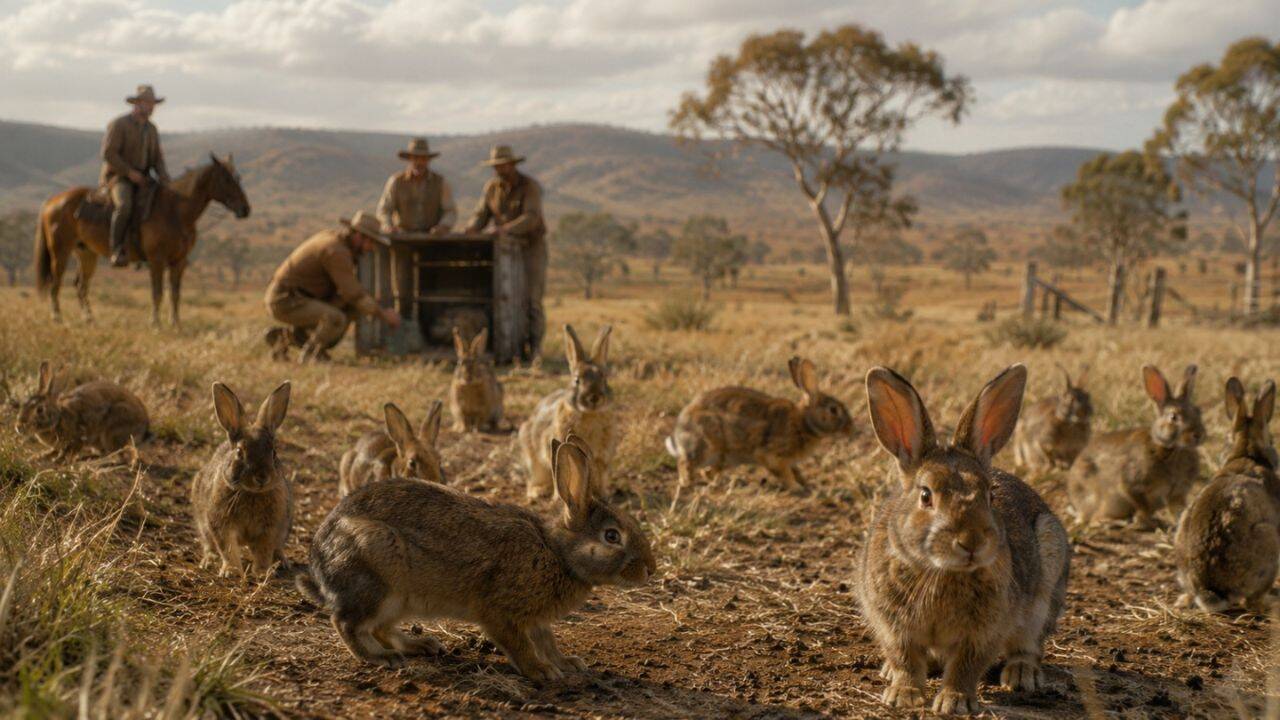
In 1859, New South Wales pastoralist Thomas Austin released merely 13 European rabbits on his property, assuming they would serve as sport hunting fodder. Like many other colonial introductions, the rabbits faced no natural predators and reproduced explosively.
Population Explosion and Environmental Impact
Within a few decades the rabbit population swelled to millions, stripping grasslands, shrublands, and low‑lying vegetation. The loss of native flora cascaded into habitat destruction for countless endemic species—ground‑nesting birds, reptiles, and small mammals—all of which suffered dramatic declines. Soil erosion intensified, and increased sedimentation in waterways reduced agricultural yields across vast regions.
Control Measures Over the Years
Early governmental responses relied on fencing and bounty hunting, which proved largely ineffective. In the 1950s, scientists introduced the myxoma virus, temporarily slashing rabbit numbers, but resistance soon emerged. The 1995 release of Rabbit Hemorrhagic Disease (RHD) offered another population check, yet neither virus eradicated the pest.
Current Situation and Future Outlook
Today, estimates suggest around 200 million rabbits still roam the Australian continent, continuing to damage crops and threaten biodiversity. Modern strategies explore advanced biocontrol, targeted trapping, and even gene‑editing techniques, but public opposition and regulatory hurdles slow implementation. The saga underscores the necessity of rigorous risk assessments and robust biosecurity protocols before any non‑native species is introduced.