The Indian government has ruled out offering pure petrol or lower ethanol blends like E10, citing logistical and cost constraints. By making E20 the sole fuel grade, authorities aim to boost octane rating, engine performance, and align with long‑term energy and environmental goals.
Key Takeaways
- E20 will be the exclusive petrol blend across India.
- Pure petrol and E10 are abandoned due to logistical complexities.
- E20 offers higher octane, better engine response, and environmental benefits.
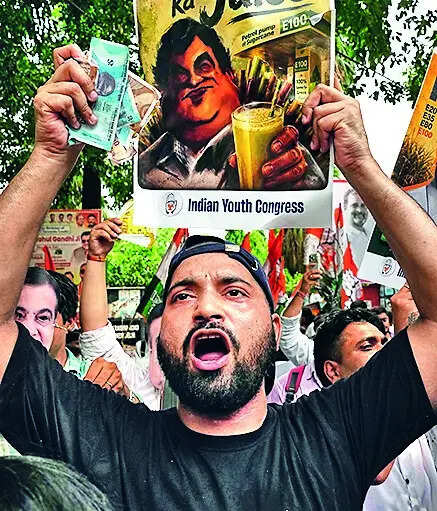
NEW DELHI – The Ministry of Petroleum announced on Friday that offering pure gasoline or lower‑ethanol blends such as E10 as alternatives to the mandated E20 fuel is not feasible. The statement comes amid public debate demanding consumer choice for 100 % petrol and E10 alongside the higher‑blend option.
Technical Advantages of E20
The ministry highlighted that E20 delivers a higher octane rating, superior anti‑knock characteristics, faster combustion, smoother acceleration, and cleaner engine operation. These attributes translate into longer engine life, improved fuel efficiency, and reduced emissions—key pillars of India’s climate‑change mitigation strategy.
Logistical and Economic Constraints
Maintaining parallel nationwide supply chains for multiple fuel grades would raise logistics costs and complicate distribution across more than one lakh retail outlets. Providing pure petrol, E10 and E20 side‑by‑side would require additional storage, transport, and handling infrastructure, burdening small fuel stations financially.
Stakeholder Consultation and Industry Backing
Prior to rolling out E20, the government conducted several rounds of consultations with automobile manufacturers, technical experts, testing agencies, and other stakeholders. Major OEMs such as Maruti Suzuki and Hero MotoCorp reported no significant corrosion, abnormal wear, or warranty claims linked to E20‑compatible vehicles during 2025‑26 field trials, reinforcing the blend’s reliability.
Future Outlook and Pricing Dynamics
Currently, E20 is costlier than pure petrol because ethanol is procured at a remunerative price of around ₹72 per litre to support farmers. However, if crude oil prices rise to $120‑$130 per barrel—a level seen during the peak of the West Asia conflict—E20 could become the cheaper option. The ministry emphasized that the extensive ethanol infrastructure—distilleries, storage facilities, and logistics networks—was built on multi‑billion‑rupee investments backed by nearly ₹1 lakh crore in bank loans.
In essence, India’s decision to standardise on E20 marks a decisive shift toward a higher‑performance, environmentally sustainable fuel regime. Balancing consumer interests, energy security, farmer welfare, and prudent use of national resources, the policy underscores a long‑term vision for the nation’s mobility ecosystem.