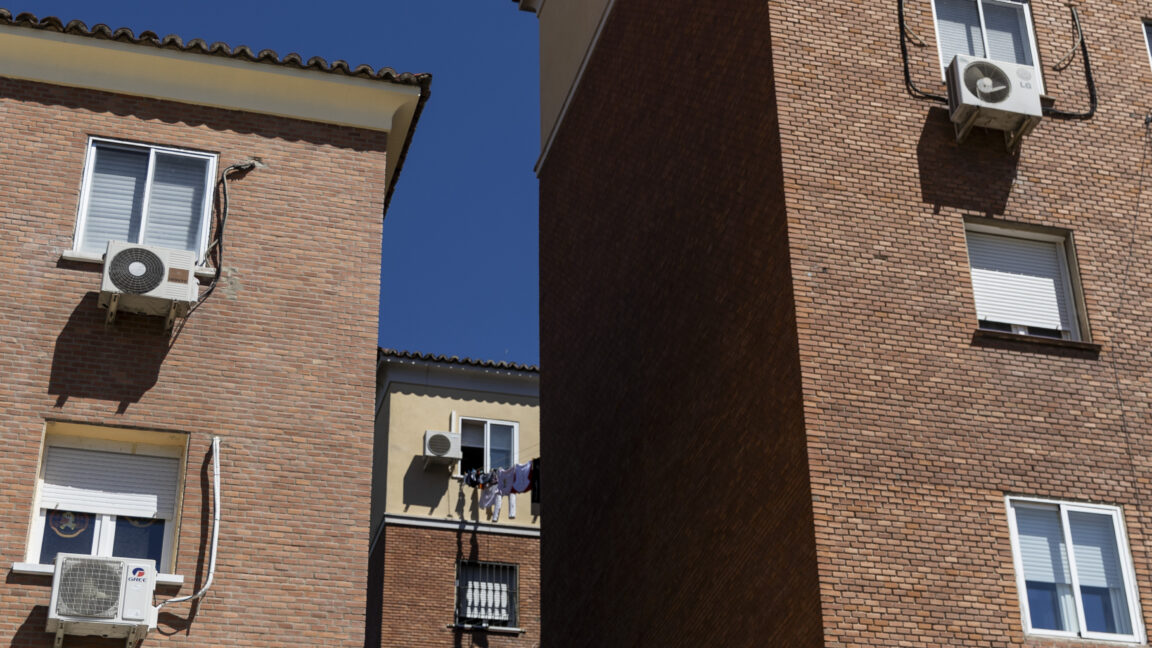
Rising heatwaves are driving unprecedented demand for cooling across Europe, while political and environmental debates shape the future of the market. Emerging eco‑friendly technologies could defuse the cultural‑political clash surrounding air‑conditioners.
Key Takeaways
- IEA projects two‑thirds of European households could own ACs by 2050.
- Eco‑friendly cooling tech may ease cultural‑political friction.
- Air‑conditioning impacts productivity, education and public health.
When the blinds are drawn during yet another scorching heatwave, shoppers across France, Germany and the UK are storming stores for portable fans and air‑conditioners. The rush mirrors a deeper shift: cooling is moving from a niche comfort to a necessity, and it has become a potent political symbol.
Historical Context and Current Landscape
Traditionally, Europe has lagged behind the United States in AC adoption—only about 20 % of European homes have a unit compared with roughly 90 % in the U.S. High electricity costs, cooler climates and strong environmental sentiment kept demand low. However, the International Energy Agency (IEA) now predicts that by 2050, two‑thirds of European households could own an AC, a projection that would reshape the continent’s energy profile.
Political Culture Wars
Right‑wing figures are weaponising the cooling debate. In France, Marine Le Pen has pledged a nationwide rollout of air‑conditioning if her party wins power, while Britain’s Conservatives have vowed to roll back net‑zero building standards that limit AC installations in new constructions. The left counters that AC benefits the affluent, risking a high‑energy consumption spiral similar to the U.S. and Asia. This tug‑of‑war reflects broader anxieties about climate policy, affordability and social equity.
Health, Productivity and Social Implications
Beyond comfort, AC is becoming a public‑health lifeline. A 2019 study estimated that air‑conditioning prevented nearly 200,000 premature deaths among people over 65. In schools lacking adequate ventilation, cooling improves concentration and learning outcomes. For workers, it sustains productivity during extreme heat, and for families, it enables restful sleep after the sun sets on sweltering evenings.
Future Pathways
Next‑generation, low‑carbon cooling technologies—such as refrigerants with minimal global‑warming potential and reversible heat‑pump cycles—are entering the market. If policymakers provide subsidies, enforce stringent efficiency standards, and foster public‑private partnerships, Europe can avoid the energy‑intensive cooling spiral seen elsewhere while protecting its climate commitments.