Following a deadly landslide in Wayanad's Kalladi area, the Kerala government blames the contractor for disregarding safety directives. The High Court ordered immediate medical expense coverage and swift compensation for victims.
Key Takeaways
- Kerala government blames contractor for ignoring safety directives
- SDMA issued multiple warnings about soil dump and debris management
- High Court ordered medical costs, swift compensation, and prompt release of bodies
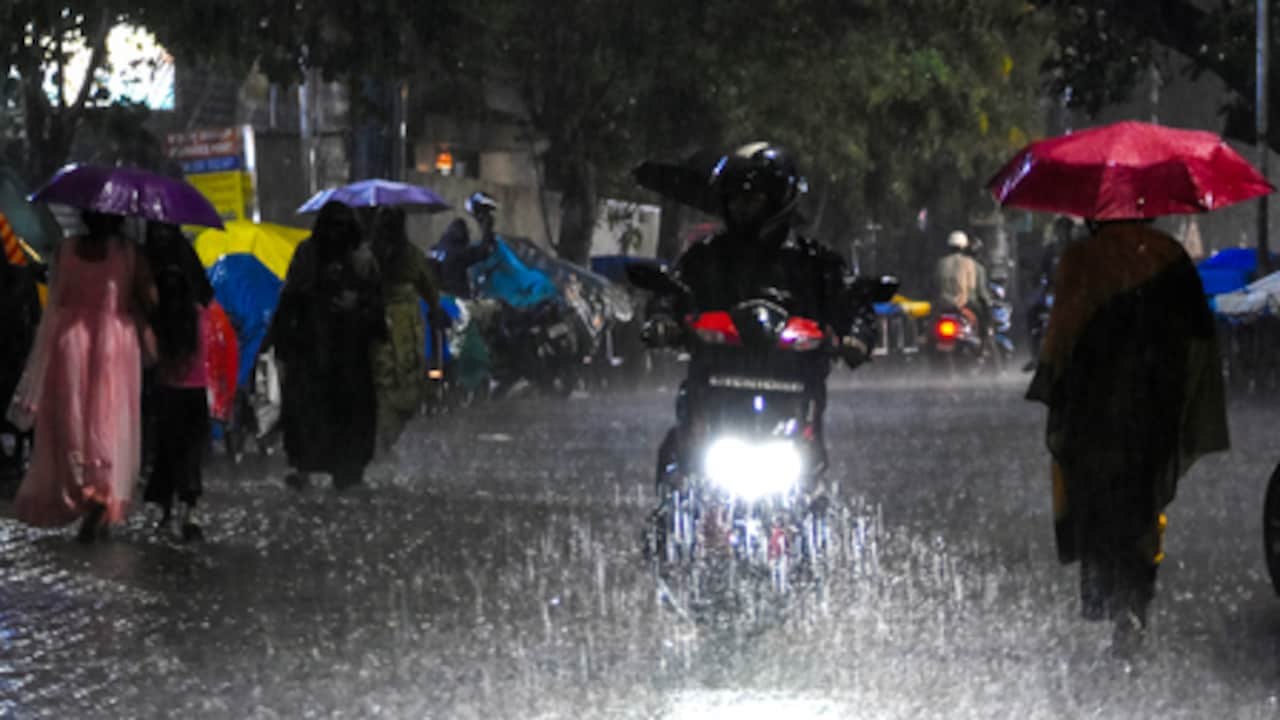
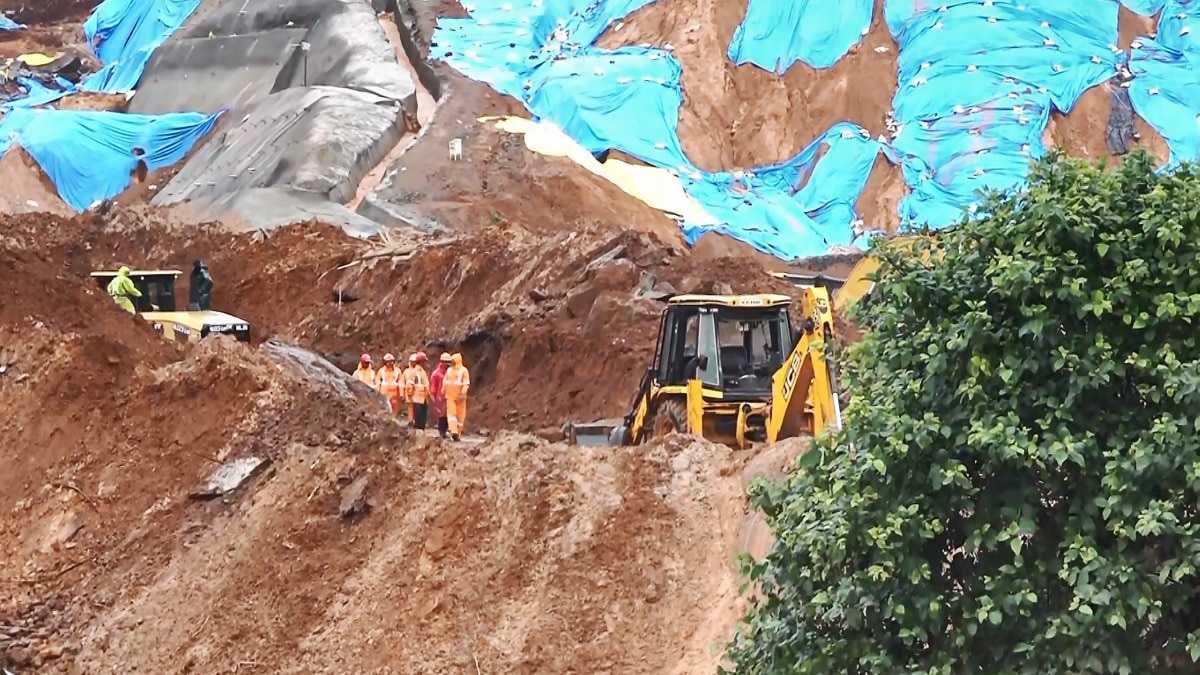
On July 10, 2026, a massive landslide struck the Kalladi site near Meppadi in Kerala's Wayanad district, where a twin‑tunnel project linking Wayanad with Kozhikode is under construction. Heavy rain triggered the collapse of an unstable mound of excavated soil that had been dumped without scientific safeguards, resulting in seven bodies recovered and one person still missing.
Project Background and Repeated Warnings
The tunnel project aims to improve connectivity between Wayanad and Kozhikode. The State Disaster Management Authority (SDMA) issued formal directions on May 26 and June 4, instructing the contractor to remove excavated earth and construction waste so that they would not endanger the public. The directives also mandated evacuation of workers and nearby residents if required, and called for comprehensive safety measures at the site.
Government Affidavit and Court Intervention
In an affidavit filed before the High Court, the Kerala government asserted that the contractor had been repeatedly reminded—up to the day before the disaster—about these safety precautions. The court noted the contractor’s failure to act on the warnings and directed the state to bear the medical expenses of the injured, expedite financial assistance to victims’ families, and hand over the deceased’s bodies without delay. The court also pledged to monitor the relief efforts closely.
Environmental Clearance Scrutiny
The state disclosed that it is reviewing whether the contractor complied with the environmental clearance conditions attached to the tunnel project. Any breach could trigger stricter enforcement of environmental and safety norms for future infrastructure undertakings, underscoring the need for rigorous compliance monitoring.
Next Steps and Legal Oversight
The High Court is set to revisit the suo motu case on natural disasters in Kerala on Friday, signalling continued judicial scrutiny of the state’s disaster‑response mechanisms. This development may compel the government to tighten regulatory oversight, ensuring that similar tragedies are averted through proactive risk management.