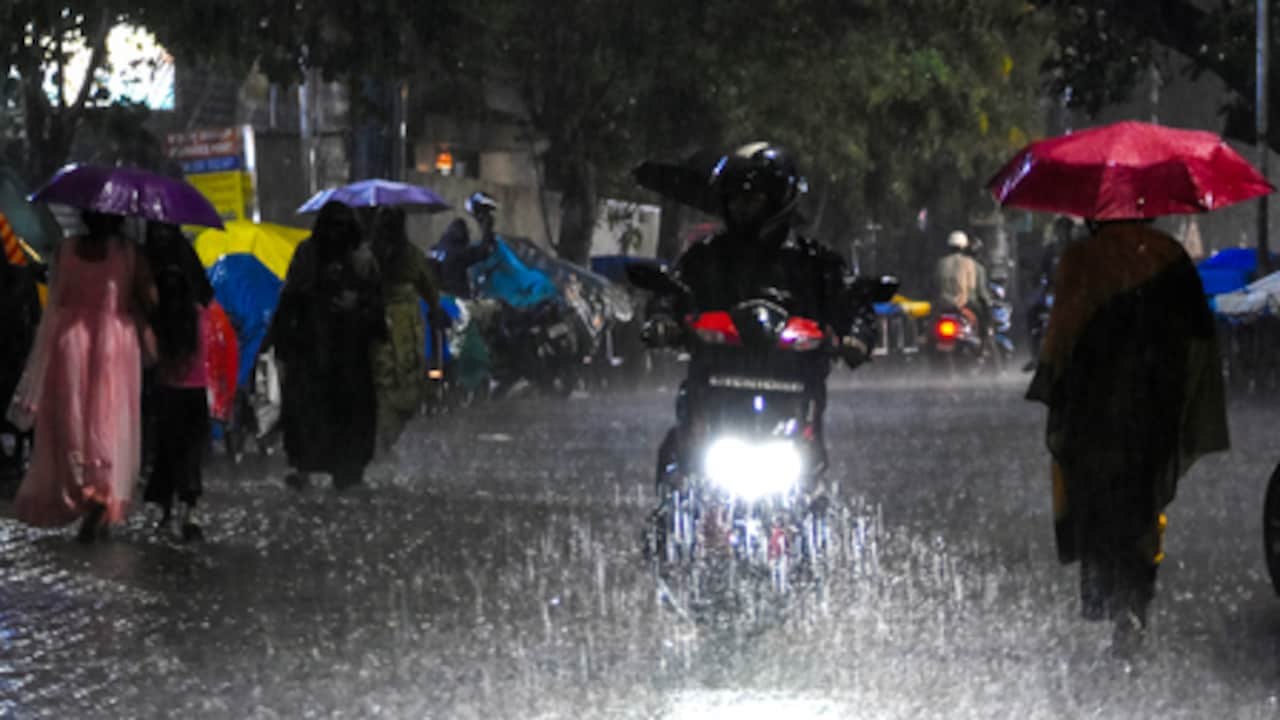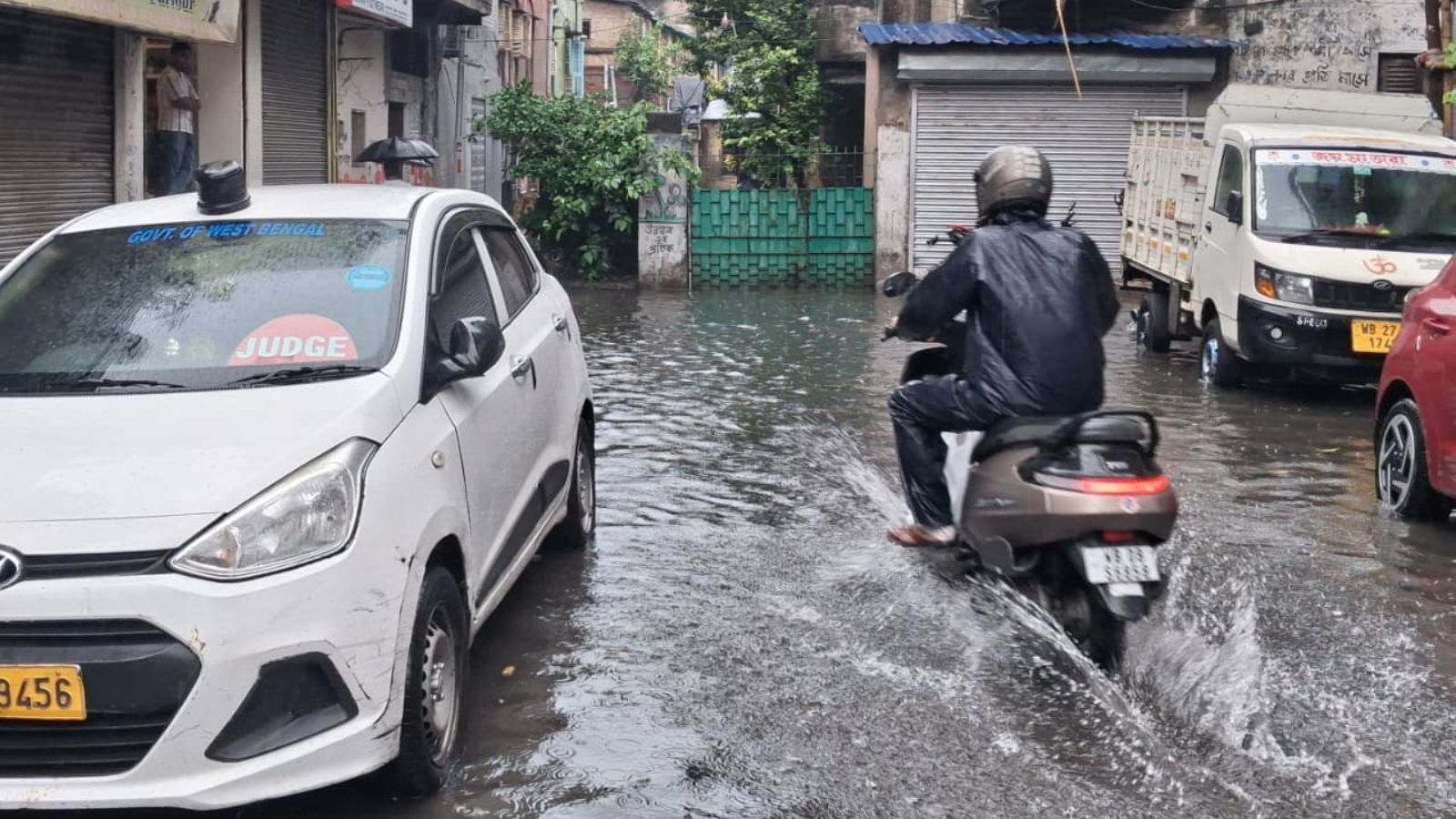
Kolkata and nearby districts are set for continuous rain from July 10‑15. South and North Bengal have been placed under a Yellow Alert due to expected heavy showers, thunderstorms and strong winds.
मुख्य बिंदु (Key Takeaways)
- Kolkata faces continuous rain from July 10‑15
- Yellow Alert issued for South and North Bengal
- Heavy rainfall may trigger floods, landslides and water‑logging
Kolkata is gearing up for a sustained spell of inclement weather between July 10 and July 15. A favourable monsoon trough combined with deep moisture influx from the Bay of Bengal will keep the sky overcast, bringing light to moderate rain and intermittent thundershowers. Temperatures are expected to swing between a high of 32 °C and a low of 26 °C, while neighbouring localities such as Dumdum, Salt Lake and Howrah will experience a similar pattern, with Howrah’s night‑time lows dipping to about 25 °C.
Yellow Alert for South Bengal
South Bengal districts have been placed under a Yellow Alert from July 10 through July 13 as they brace for widespread light‑to‑moderate rain, with isolated heavy bursts of 7‑11 cm. North and South 24 Parganas, East and West Midnapore and Murshidabad are slated to receive the brunt of the downpours, accompanied by gusty winds of 40‑50 km/h and frequent lightning. Authorities have urged residents to stay indoors during active thunderstorms and avoid standing under trees, near electric poles or close to open water bodies.
Heavy Rainfall in North Bengal
In North Bengal, a Yellow Alert runs from July 10 to July 15, targeting districts such as Darjeeling, Kalimpong, Jalpaiguri, Alipurduar and Cooch Behar. These areas can expect heavy to very heavy rainfall, with wind gusts reaching 30‑40 km/h and persistent lightning. The intense precipitation raises the risk of landslides in the hilly terrain of Darjeeling and Kalimpong, severe water‑logging in low‑lying zones, and a rapid rise in water levels of the Teesta, Torsa and Jaldhaka rivers.
Safety Precautions
Citizens have been advised to seek shelter in sturdy, permanent structures during the active spell, and to keep away from vulnerable spots such as trees, power lines and water bodies. Emergency response teams have been placed on standby, especially in hill‑top areas prone to landslides.
Continuous updates from the meteorological department highlight that the current monsoon dynamics are being amplified by climate‑change‑driven variability, suggesting that future rainy seasons could become more erratic and intense. Proactive urban planning and resilient infrastructure will be crucial to mitigate the growing weather‑related risks.