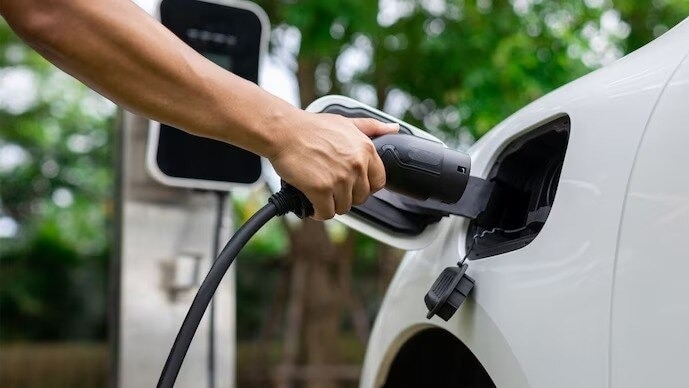
Lieutenant Governor Vinay Kumar Saxena inaugurated Ladakh's first electric vehicle charging stations, marking a pivotal step toward a carbon‑neutral future. The initiative aims to boost sustainable tourism and reduce fossil‑fuel dependence in the high‑altitude Union Territory.
Key Takeaways
- Five operational EV charging stations launched; sixth near Magnetic Hill nearing completion
- Each station equipped with two fast‑charging guns, delivering 80% charge in 30‑60 minutes
- Supports Prime Minister Modi's carbon‑neutral Ladakh vision by promoting clean energy and protecting the fragile Himalayan ecosystem
On Friday, Ladakh Lieutenant Governor Vinay Kumar Saxena inaugurated the Union Territory's first electric‑vehicle (EV) charging stations. The rollout is being touted as a cornerstone of Ladakh's transition to cleaner transport and its broader carbon‑neutral ambition.
Operational Details and Technical Specs
Five stations are now functional at key locations – the main bus stand in Leh, Tia Rong, Solar Colony, Chuchot Shamma, and Khaltsi. A sixth station near the iconic Magnetic Hill in Leh is in the final stages of construction. Each hub houses two fast‑charging guns capable of replenishing an EV’s battery to 80 % within 30 to 60 minutes, complemented by fire‑safety measures and emergency shut‑down systems.
Environmental Significance and Alignment with National Policy
The project dovetails with Prime Minister Narendra Modi’s “Carbon‑Neutral Ladakh” vision, which emphasizes clean‑energy adoption to safeguard the Himalayan ecosystem. Saxena remarked, “Ladakh’s fragile ecology demands technologies that minimise pollution and carbon emissions.” The charging network thus serves both climate and regional development goals.
Implications for Local Economy and Tourism
Ladakh, a premier Himalayan tourism destination, has historically relied on diesel‑powered transport, especially during harsh winters. By providing reliable EV infrastructure for residents and tourists alike, the initiative promises to lower operating costs, attract eco‑conscious travelers, and stimulate green‑focused businesses, thereby marrying environmental stewardship with economic growth.
Future Roadmap and Challenges
Authorities plan to expand the network, integrate solar‑powered grids, and incentivise EV adoption across remote villages. Nonetheless, steep terrain, intermittent power supply, and higher upfront costs pose logistical hurdles that will require innovative solutions and sustained policy support.