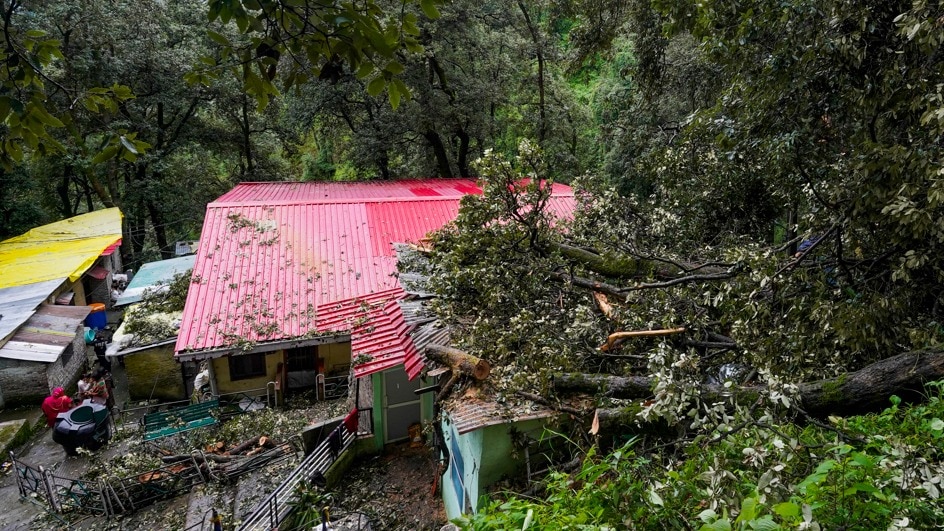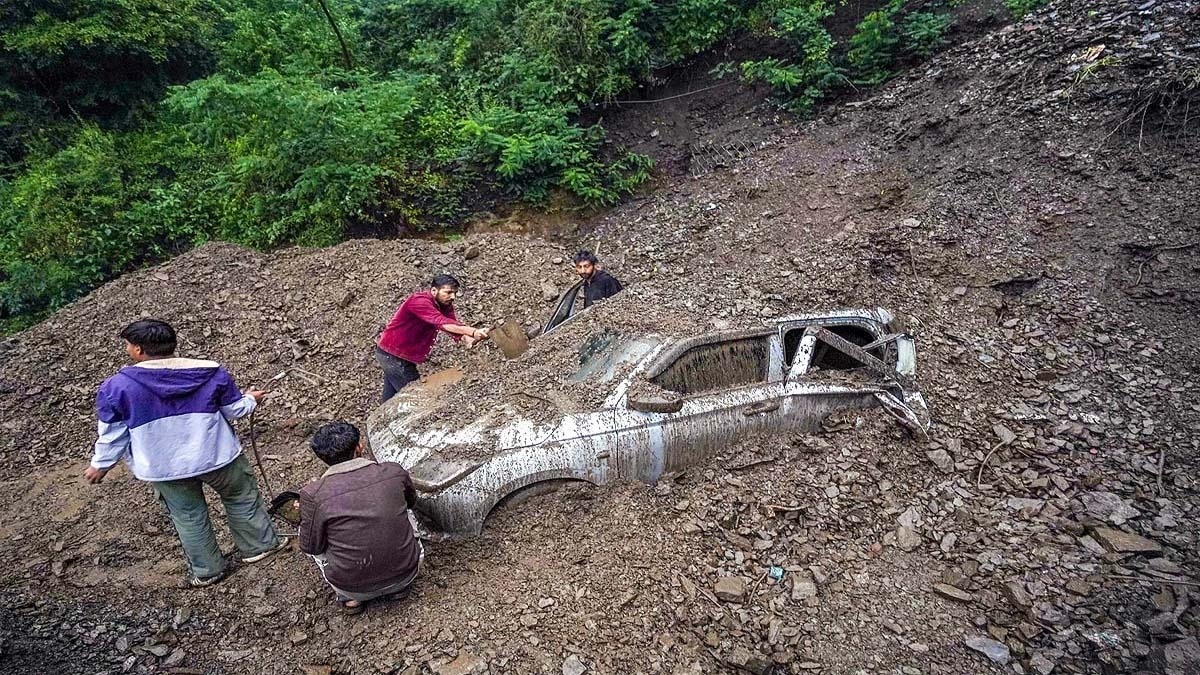
Heavy rain, steep slopes and shifting ground can trigger landslides. Recognising early warning signs helps protect lives, homes and infrastructure before disaster strikes.
Key Takeaways
- Heavy rain is a primary trigger for landslides
- Early warning signs include ground cracks, leaning trees, and unusual noises
- Immediate evacuation and notifying authorities can save lives
Landslides rank among nature’s most unpredictable hazards, capable of occurring suddenly or building over days and weeks, especially after intense rainfall or seismic activity. In India, monsoon months amplify the threat as saturated soils, rapid runoff, and human interventions destabilise hillsides. Residents living near hills, mountains or steep gradients must treat warning signs with the same urgency as a weather forecast.
Primary Drivers of Landslides
A landslide is the downhill movement of rock, soil or debris. The most common catalyst is heavy rain, which reduces soil cohesion and adds weight to slopes. Earthquakes, volcanic eruptions, erosion, and anthropogenic actions—such as hillside excavation, deforestation, or inadequate drainage—further compromise slope stability. Climate change, by amplifying extreme precipitation events, is poised to increase landslide frequency in vulnerable regions.
Early Warning Indicators
Before a slide, the ground often gives subtle clues. Look for fresh cracks in roads, walls, or the earth itself. Trees that start to lean, tilted utility poles, and fences that no longer stand upright are red flags. Unusual water emergence—such as puddles where none existed before—or sudden changes in stream levels can signal subsurface movement. Auditory cues like cracking timber, shifting rocks, or deep rumbling should never be ignored.
Who Is Most at Risk?
People residing on or below steep slopes face the highest exposure, particularly during prolonged rain events. Areas characterized by loose soils, weak rock formations, or a history of previous slides are especially vulnerable. Even slopes that have remained stable for decades can become hazardous under the right combination of rainfall, seismic tremors, and human activity.
Immediate Safety Actions
If multiple warning signs appear or you witness a slide beginning, evacuate the area immediately—provided it is safe to do so—and contact local authorities. Avoid river channels and steep inclines during heavy precipitation. Property owners experiencing repeated ground movement should enlist a qualified geologist or structural engineer for a thorough assessment. Staying alert to local weather alerts and maintaining preparedness during storms are the most effective defenses against landslide loss.