Metrowater organized open house sessions across Chennai on Saturday, allowing residents to raise concerns about water supply, sewage disposal, and rainwater harvesting. The initiative, held every second Saturday, aims to improve transparency and resolve longstanding service gaps.
Key Takeaways
- Metrowater conducts open house meetings in all area offices
- Residents can voice complaints on water supply, sewage and charges
- Discussions include rainwater harvesting maintenance and policies
Chennai – July 11, 2026 – The Chennai Metropolitan Water Supply and Sewerage Board (Metrowater) hosted open house meetings on Saturday from 10 a.m. to 1 p.m. across its area offices, giving citizens a direct platform to present grievances related to water and sewage services.
Purpose and Format of the Sessions
According to an official press release, these meetings are convened every second Saturday of the month and are chaired by superintending engineers. Attendees may raise issues concerning water supply interruptions, sewer tax, service charges, and the status of pending new water or sewer connections.
Current Challenges in Water Supply and Sewerage
Chennai’s rapidly growing population has strained existing water infrastructure, leading to frequent shortages, leakages, and inadequate sewage treatment. Over the past few years, the city has grappled with water scarcity, illegal connections, and improper waste disposal, impacting public health and the environment. The open house format seeks to identify these pain points and expedite remedial actions.
Rainwater Harvesting (RWH) Focus
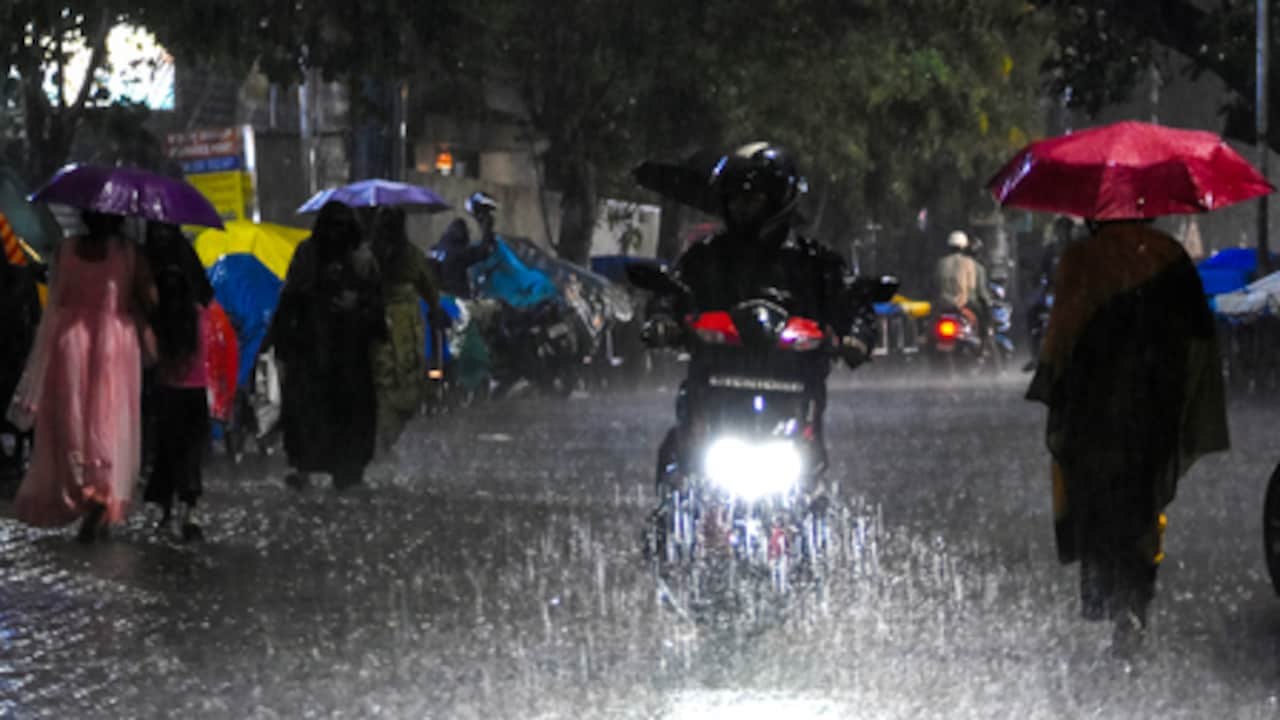
In addition to traditional water concerns, the sessions address rainwater harvesting—an increasingly vital component of Chennai’s water strategy. Metrowater has promoted RWH installations city‑wide, yet many structures suffer from poor maintenance. Experts will discuss inspection protocols, cleaning schedules, and community responsibilities to maximize the benefits of harvested rainwater.
Implications for Future Governance
By institutionalising citizen‑govt interaction, Metrowater aims to foster transparency and accountability. Urban planners argue that such regular forums can reduce grievance backlogs, improve service delivery, and nurture a culture of water conservation among residents. The initiative could serve as a model for other Indian metros facing similar water stress.