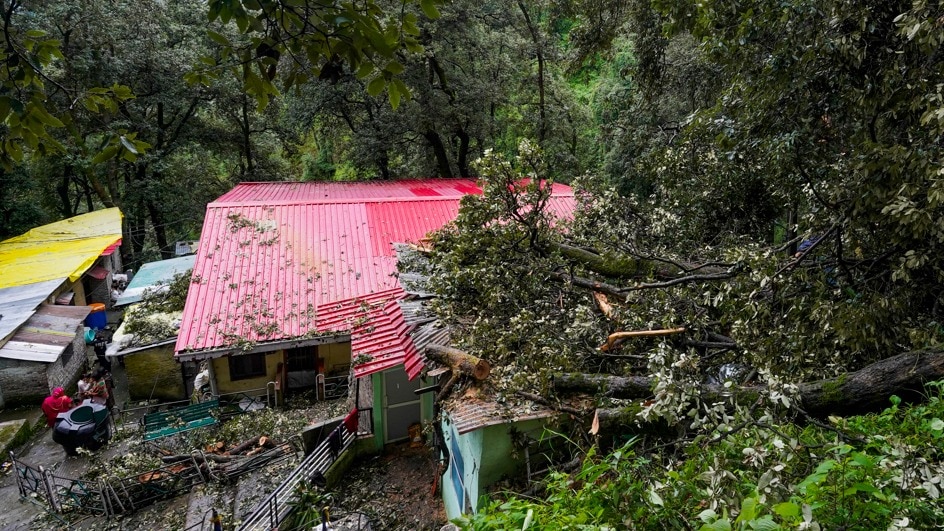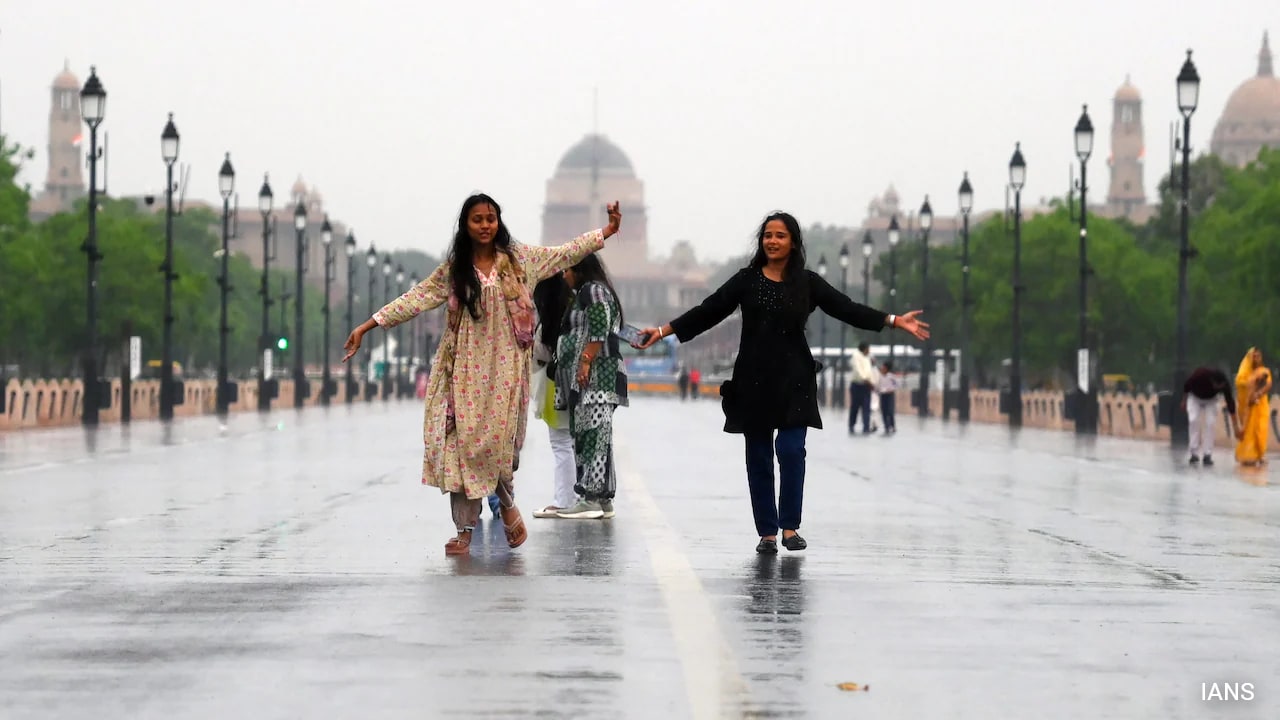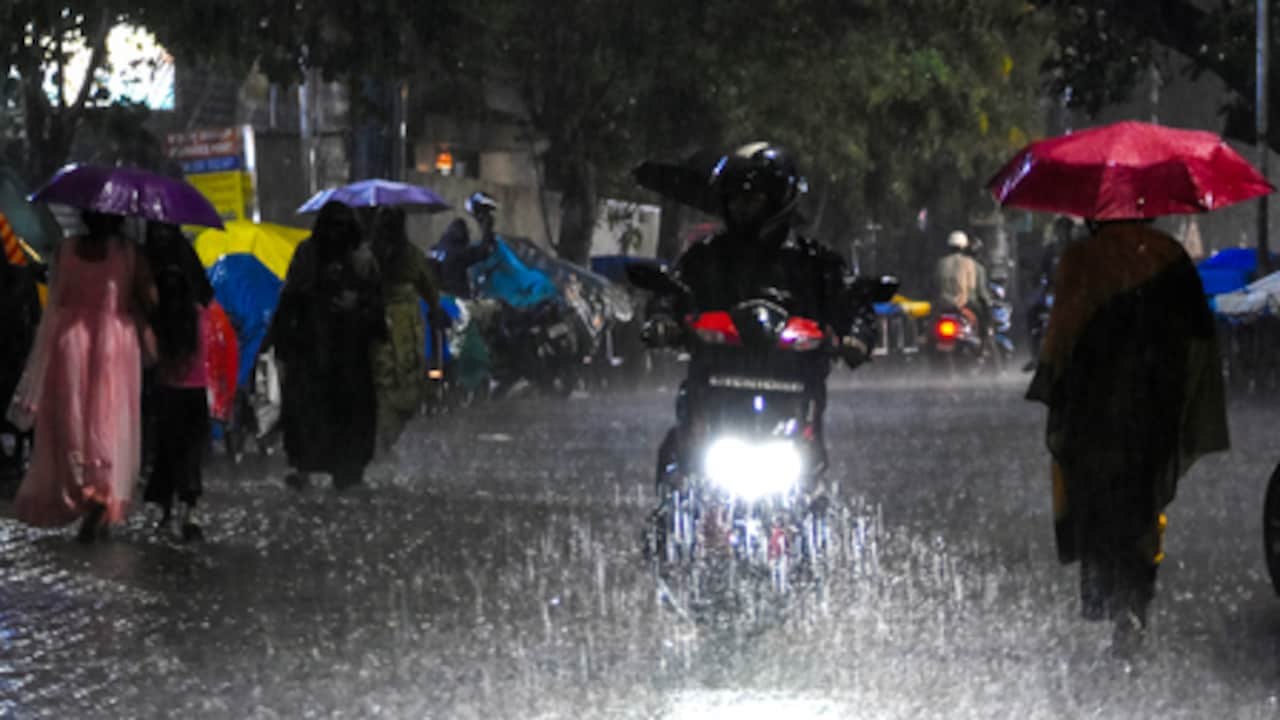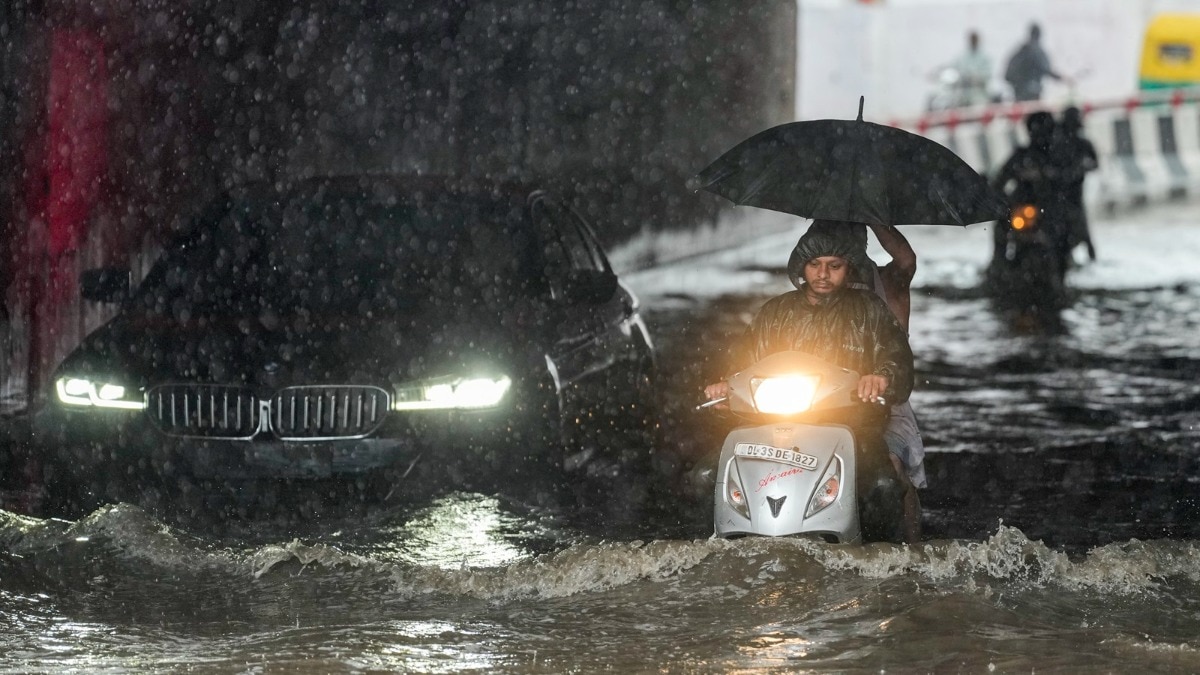
The southwest monsoon has intensified across India, causing landslides in Uttarakhand, swollen rivers in Uttar Pradesh and Himachal Pradesh, and a death toll of ten. Schools have been shut in several districts and disaster‑relief teams are on high alert.
Key Takeaways (मुख्य बिंदु)
- Ten fatalities reported across affected states
- Landslide blocks Char Dham highway in Uttarakhand
- Rivers in UP and Himachal surge, prompting school closures
Monsoon Progress and Meteorological Alerts
The southwest monsoon now blankets the entire sub‑continent, and the India Meteorological Department (IMD) warns that the active phase will linger for several more days. A red alert has been issued for western Uttar Pradesh, forecasting heavy‑to‑extremely heavy rain, while isolated pockets of intense downpour are expected in Uttarakhand on Friday.
Uttarakhand Landslides Disrupt Char Dham Yatra
In Uttarkashi district, a landslide at Nalu Pani has blocked the Gangotri Highway, halting traffic on the sacred Char Dham route. Road‑clearing crews are on the ground, but travelers have been rerouted. In Rudraprayag, the Alaknanda and Mandakini rivers have risen sharply, prompting officials to close schools for the day as a precaution.
Rising Rivers Flood Uttar Pradesh and Himachal
Heavy showers have pushed river levels toward danger marks in districts such as Ghaziabad, Meerut, Hapur, Bulandshahr, Baghpat, Muzaffarnagar, Bijnor, Saharanpur and Moradabad. Consequently, schools remain shut and flood‑preparedness measures have been intensified. In Himachal, 75 roads remain blocked, 29 electricity transformers and five water‑supply schemes have been damaged, with Shimla and Sirmaur slated for more rain.
Gujarat’s Surat and Kerala’s Wayanad Face Secondary Crises
Surat recorded a staggering 358 mm of rain within 24 hours, causing widespread flooding, evacuations and 17 deaths. Chief Minister Bhupendra Patel has called for long‑term flood‑mitigation solutions. Meanwhile, in Kerala’s Wayanad, six people perished in a landslide earlier this week; rescue teams, aided by sniffer dogs, continue to search for two missing persons despite the slowing effect of persistent rain.
Looking Ahead: Preparedness and Policy Implications
IMD stresses that the wet spell is far from over, urging citizens to stay vigilant. State governments are bolstering disaster‑response units and fast‑tracking infrastructure projects aimed at better drainage and resilient road networks. Climate experts warn that such extreme monsoon events are likely to become more frequent, underscoring the urgency of sustainable water‑resource management.