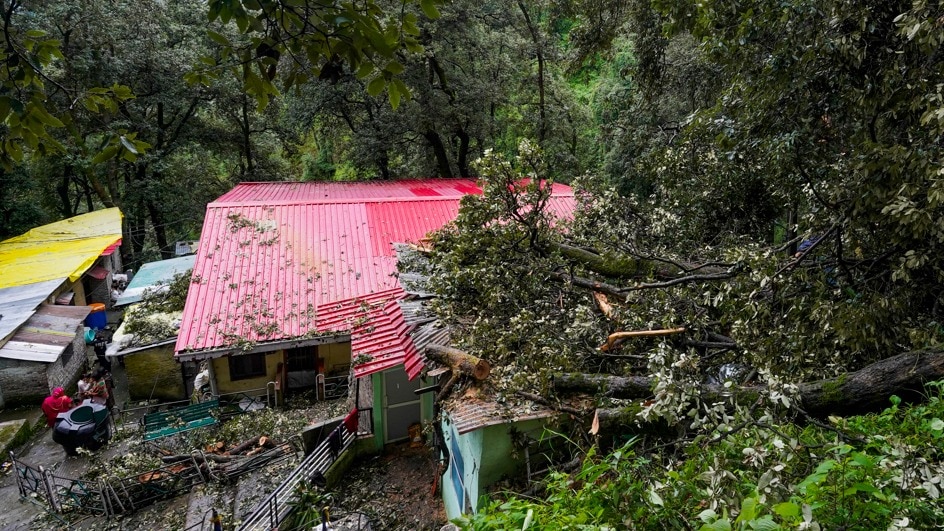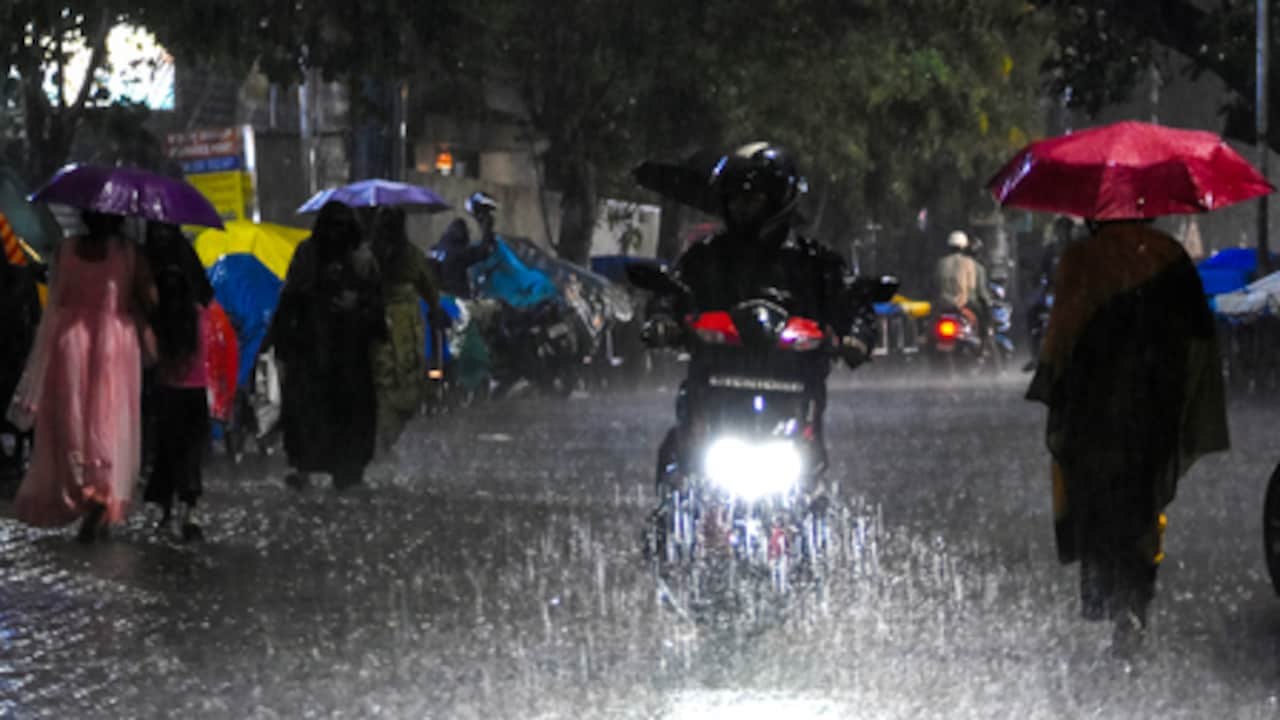
A two‑day downpour in Noida turned its glossy skyline into a water‑logged maze. Administrative neglect and unchecked construction have left the city’s drainage system woefully inadequate.
Key Takeaways
- Noida’s existing drainage network is outdated and undersized
- Blocked drains and plastic waste exacerbate flooding
- Long‑term planning and infrastructure upgrades are essential
Noida, often billed as the most modern, high‑tech city in the Delhi‑NCR region, finds itself submerged after just the first monsoon showers. The heavy rain on July 10‑11, 2026 flooded major sectors – 62, 63, 75, 82, 105, 122 – and the express‑way service lanes, turning roads into lakes where cars were half‑submerged and pedestrians waded knee‑deep.
Historical Context and Existing Infrastructure
The city’s drainage system was originally designed in the 1990s for a fraction of today’s population and industrial load. Since then, the number of high‑rise societies has multiplied, but the sewer network has not expanded proportionally. Narrow old culverts now carry a mix of industrial effluent, domestic waste, and especially single‑use plastic, all of which clog the channels and impede water flow during heavy rain.
Administrative Lapses Behind the Floods
While the Noida authority claims on paper that every drain is cleared before the monsoon, ground reality tells a different story. Excavated soil is often dumped at the drain edges, only to be washed back into the culverts when the first rains arrive, blocking them completely. Moreover, natural ponds have been filled and built over, eliminating the land’s natural water‑absorption capacity. Unchecked construction has paved over permeable soil, further reducing infiltration.
Consequences and Risks
Beyond traffic snarls, waterlogging threatens basements, lifts, and underground wiring, risking vehicle damage, commercial losses, and health hazards such as water‑borne diseases. If corrective measures are not taken, each successive monsoon could evolve from an inconvenience into a full‑scale disaster.
Path Forward
Experts advocate for systematic drain cleaning, strict plastic waste management, and a capacity‑boosted drainage grid that matches the city’s current demographics. Incorporating rain‑water harvesting, preserving natural water bodies, and retrofitting existing infrastructure with modern flood‑mitigation technology can transform Noida into a resilient urban model.