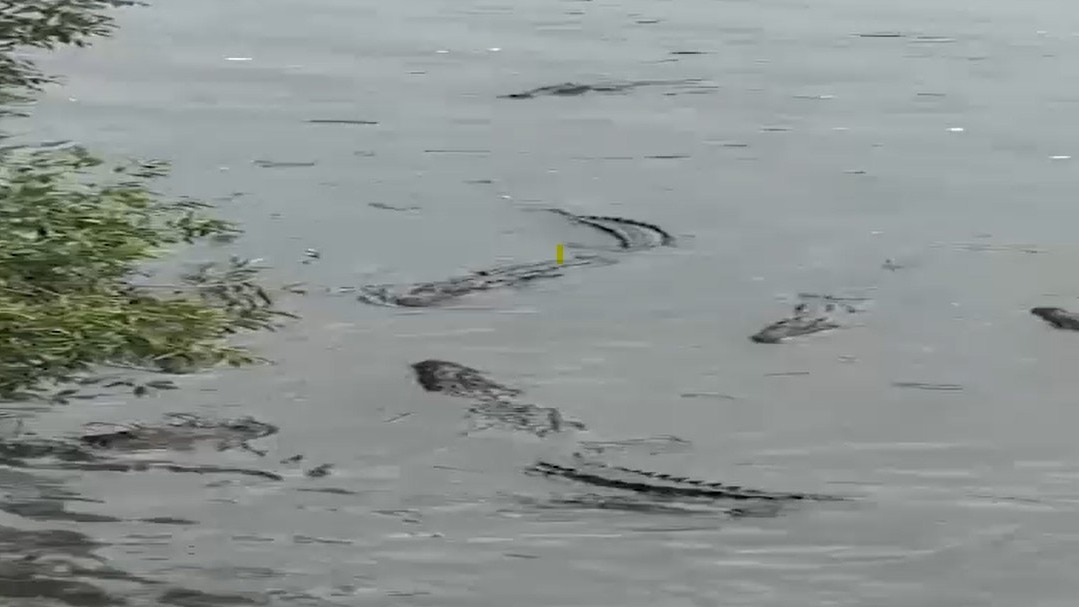
Heavy monsoon rains have caused an unprecedented gathering of mugger crocodiles in a major Gujarat river. The unusual sight offers fresh research opportunities for wildlife experts and highlights emerging conservation challenges.
Key Takeaways
- Monsoon floods caused unusual crocodile gathering
- Rare behavior observed in Gujarat's river ecosystem
- Implications for wildlife management and local communities
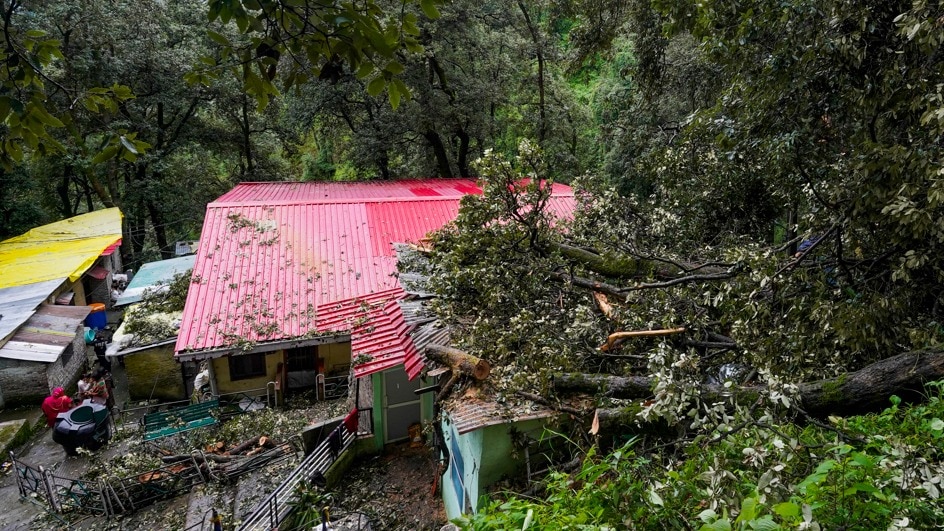
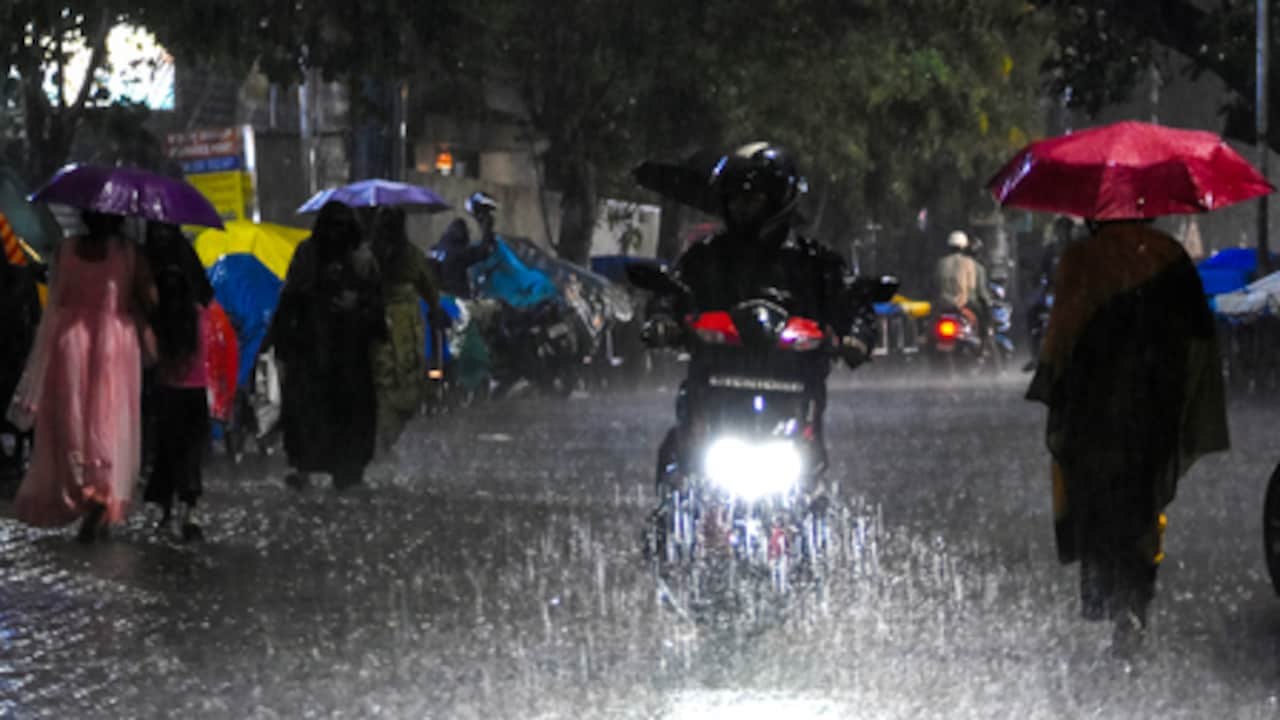
July‑August’s intense monsoon surge pushed water levels in Gujarat’s rivers to record highs, with the Narmada River experiencing a sudden rise that triggered both flooding along its banks and a dramatic increase in current speed. Amid this turmoil, wildlife officials recorded a phenomenon seldom seen in the state – a large congregation of mugger crocodiles (Crocodylus palustris) in a single stretch of the river.
Monsoon’s Ripple Effect on River Ecology
In the Indian subcontinent, the monsoon is not just a farming calendar but a lifeline for aquatic ecosystems. Rapid water‑level rises push fish, amphibians and other prey species into new habitats, prompting top predators to adjust their hunting grounds and social dynamics. This season’s surge created abundant prey and newly submerged vegetation, offering crocodiles both food and shelter.
Why Did the Crocodiles Cluster?
Experts point to two primary drivers. First, the flood‑laden waters carried a surge of fish and other aquatic organisms, presenting a feeding bonanza for opportunistic crocodiles. Second, fallen trees and submerged banks formed natural islands, providing safe basking spots and breeding grounds that attracted multiple individuals. While similar aggregations have been sporadically reported in other Indian states, this is the first documented mass gathering in Gujarat.
Historical Context and Past Records
Gujarat’s crocodile presence has been monitored since the 1970s, when the state’s wildlife department launched several conservation initiatives. Over the past decades, sightings of large crocodile groups have been rare, largely due to habitat fragmentation and limited floodplain connectivity. The recent videos and photographs, now circulating widely on social platforms, serve as a stark reminder that climate‑driven hydrological changes can quickly reshape wildlife patterns.
Local Communities and Future Challenges
Fisherfolk and riverside farmers are understandably uneasy about the sudden increase in crocodile numbers, fearing potential human‑wildlife conflict. Conservationists, however, view the event as a unique research window to study crocodile behavior, breeding cycles, and the broader impacts of extreme weather on riverine fauna. Going forward, Gujarat will need integrated flood‑management and wildlife‑conservation policies to mitigate risks while preserving the ecological benefits of such biodiversity spikes.