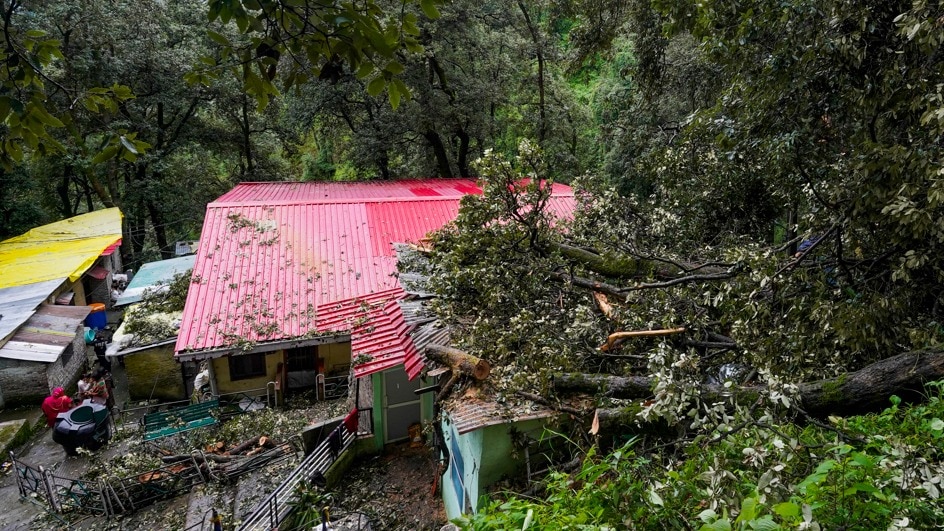
The National Green Tribunal (NGT) has ordered the Uttar Pradesh Pollution Control Board (UPPCB) to recover a ₹2.65 crore environmental compensation from Banaras Hindu University (BHU) after it illegally cut 33 trees, including seven sandalwood. The directive follows the board’s failure to act on a previous August order.
Key Takeaways
- NGT orders a ₹2.65 crore environmental fine on BHU
- University illegally felled 33 trees, including seven sandalwood
- UPPCB given extended deadline to recover the compensation
The National Green Tribunal (NGT) has directed the Uttar Pradesh Pollution Control Board (UPPCB) to levy a hefty environmental compensation of ₹2.65 crore on Banaras Hindu University (BHU) for the unlawful removal of 33 trees, seven of which were prized sandalwood specimens.
Previous Order Ignored
On August 11 last year, the NGT instructed the UPPCB to assess and recover the compensation within three months. The board failed to meet that deadline, prompting the tribunal to reaffirm its resolve and issue a fresh order demanding prompt action.
Current Bench Ruling
The principal bench, comprising Chairperson Prakash Shrivastava and expert member Afroz Ahmad, delivered the latest judgment while hearing an execution petition filed by advocate Saurabh Tiwari. The tribunal emphasized that the UPPCB must finalize the levy and collect the fine within the next three months, warning that further delays could attract additional penalties.
University’s Mitigation Measures
In response, BHU reported that it planted 978 saplings of varied species in 2025, of which 859 have survived in healthy condition. This exceeds the tribunal‑mandated re‑planting quota, indicating the university’s willingness to remediate the ecological damage.
Wider Implications
This ruling sends a strong signal to academic institutions across Uttar Pradesh and India: environmental compliance is non‑negotiable, and violations will attract substantial monetary penalties. The case may catalyze stricter monitoring of campus green cover and push policymakers to tighten enforcement mechanisms.