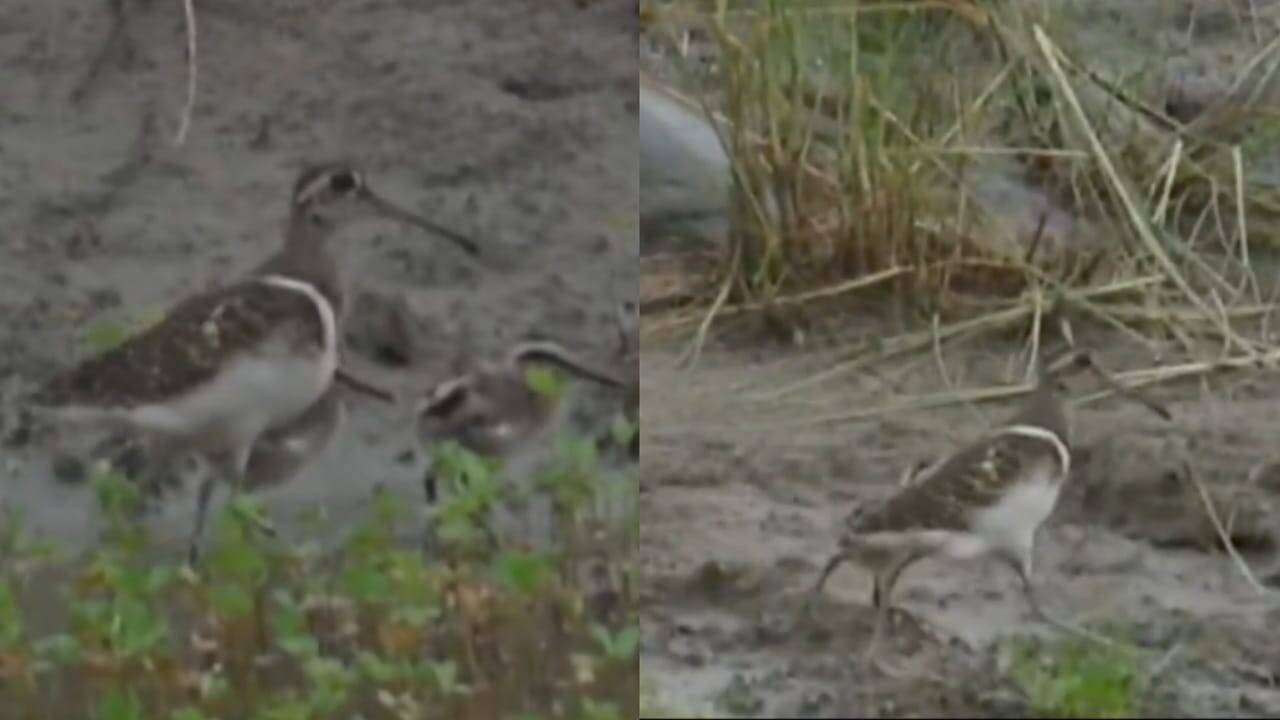
A Greater Painted‑Snipe was documented with chicks in Corbett Tiger Reserve, providing the first scientific proof of successful breeding. The sighting underscores the health of the reserve’s wetland ecosystem and its conservation value.
Corbett Tiger Reserve in Uttarakhand, one of India’s premier wildlife sanctuaries, recently recorded a rare bird – the Greater Painted‑Snipe – accompanied by its fledglings. This observation marks the first scientific evidence of successful breeding for the species, sparking excitement among ornithologists and conservationists alike.
Why the Greater Painted‑Snipe Matters
The Greater Painted‑Snipe, a shy wader that inhabits South Asian wetlands, has seen its numbers decline over the past decades due to habitat loss and climate pressures. Classified as Near‑Threatened on the IUCN Red List, any confirmed breeding site is a vital data point that can reshape conservation priorities across the region.
Wetland Health Inside Corbett
The reserve’s mosaic of marshes, slow‑moving streams, and bamboo‑lined banks provides an ideal breeding ground. The presence of ample invertebrate prey and secure nesting sites indicates a thriving wetland ecosystem, a rarity in many parts of the sub‑continent where such habitats are under siege.
Why This Matters?
This record not only updates the species’ distribution map but also validates the effectiveness of India’s protected‑area management. Continued breeding successes among sensitive species could set a precedent for broader biodiversity restoration strategies.
Future Directions and Policy Impact
Scientists and reserve managers plan to intensify wetland monitoring, engage local communities in sustainable water‑use practices, and leverage this success to advocate for more wetland‑focused protected zones. The data may also influence national policy to prioritize aquatic habitats in future conservation funding.
Overall, the breeding of a rare bird in Corbett sends a hopeful signal: with robust protection and active management, even the most vulnerable species can find a foothold, reinforcing the reserve’s role as a keystone for India’s wildlife heritage.