The National Green Tribunal (NGT) has ordered a scientific study into massive milk and material offerings into rivers, raising questions about where faith ends and environmental harm begins. The move could reshape how India balances sacred practices with river conservation.
Key Takeaways
- Massive religious offerings of milk and items into rivers
- NGT seeks scientific data before labeling them as pollution
- Balancing environmental regulations with cultural practices
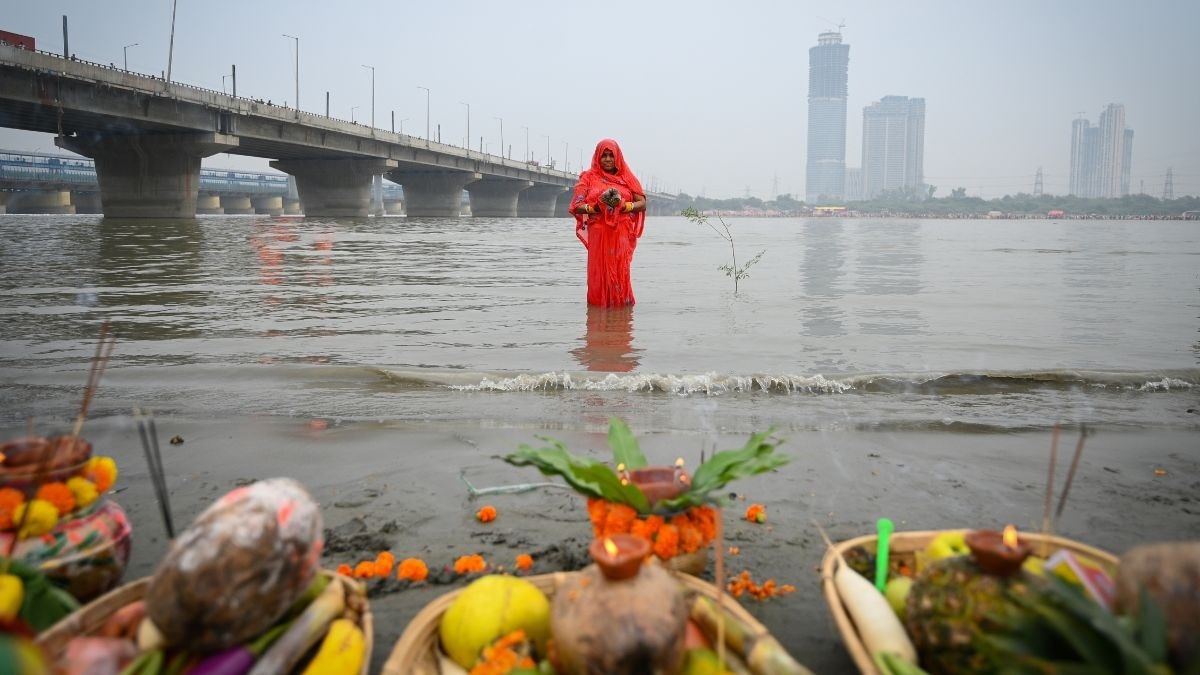
India’s rivers have long been venerated as mothers, goddesses, and lifelines. Devotees across the subcontinent pour flowers, food, milk and even cremation ashes into flowing waters as acts of devotion. Yet a recent order from the National Green Tribunal (NGT) has reignited a uncomfortable question: where does a religious ritual cross the line into environmental pollution?
Case Origin and Core Arguments
The issue surfaced before NGT’s central zone bench in Bhopal, where a petitioner alleged that during a gathering in Satdev village, Sehore district, Madhya Pradesh, organizers dumped roughly 11,000 litres of milk and 210 sarees into the Narmada River. The petitioner, Siddharth Singh Rajpoot, warned that such large‑scale organic discharges could raise biological oxygen demand (BOD), lower dissolved oxygen, and jeopardise downstream drinking‑water and irrigation supplies.
NGT’s Demand for Scientific Evidence
Bench judges Justice Sheo Kumar Singh and executive member Sudhir Kumar Chaturvedi noted a crucial gap: no empirical data had been presented to prove that milk poured into a river constitutes measurable pollution. Consequently, they directed the Central Pollution Control Board (CPCB) and the Madhya Pradesh Pollution Control Board to examine whether existing regulations cover such ritual offerings, assess their pollution potential, and recommend any needed guidelines.
Historical Context and Wider Implications
Religious water rituals are woven into India’s cultural fabric—feeding fish at pilgrimage sites, immersing idols, and scattering grains or flour into ponds are commonplace. Environmentalists argue that while a few litres may be harmless, thousands of litres at a single location can alter local water chemistry. Similar concerns have driven city‑wide bans on plaster‑of‑Paris idols and spurred the promotion of eco‑friendly, paint‑free statues.
Future Pathways and Policy Balance
If scientific studies confirm that large organic loads do degrade river health, policymakers will need to devise culturally sensitive alternatives—such as biodegradable offerings, designated immersion ponds, or symbolic ceremonies that avoid mass dumping. Over‑regulation risks alienating devotees; a blanket exemption, however, could undermine river‑conservation initiatives already strained by sewage, industrial effluents, and agricultural runoff.
NGT’s approach turns a localized dispute into a national conversation, potentially setting a precedent for how India reconciles spiritual traditions with ecological stewardship. The forthcoming findings could shape future guidelines, ensuring that reverence for rivers does not come at the cost of their survival.