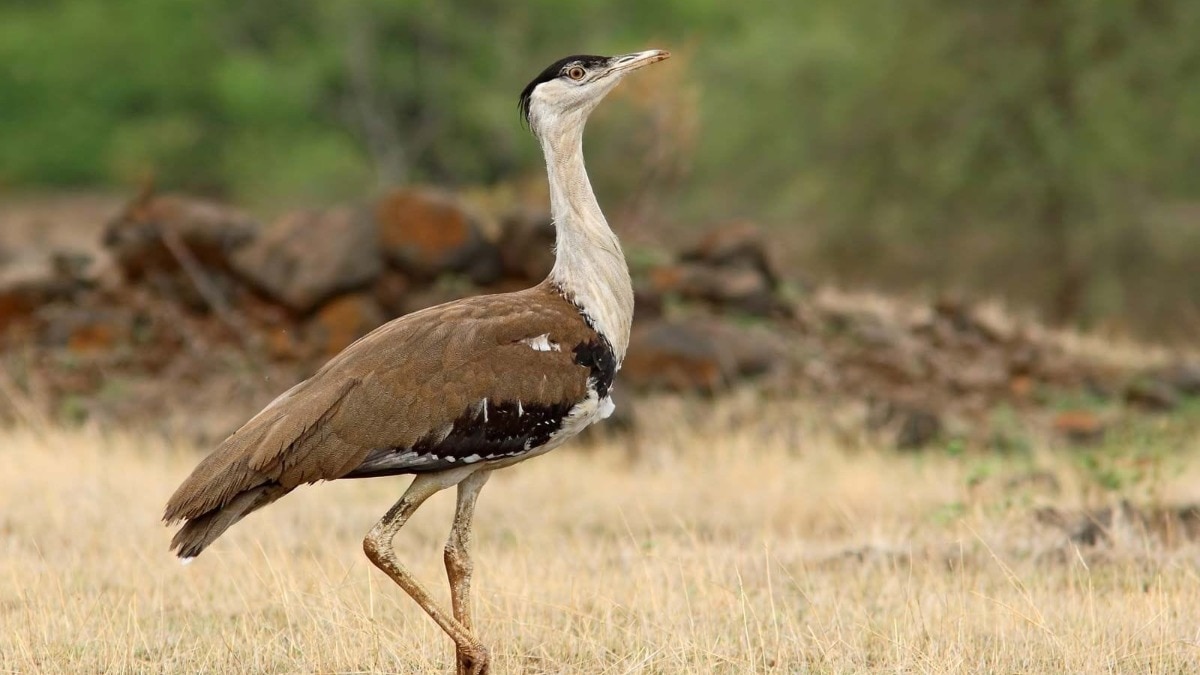
A second Great Indian Bustard chick hatched using the 'jumpstart' technique in Gujarat's Kutch district has crossed the critical 40‑day survival window, marking a major step forward for the critically endangered bird. Environment Minister Bhupender Yadav hailed the milestone as a significant boost to India's revival program.
Key Takeaways
- Second bustard chick survives beyond 40 days in Gujarat
- 'Jumpstart' technique enhances natural breeding success
- Captive‑breeding program in Rajasthan now totals 98 chicks
In the arid grasslands of Naliya, Kutch district, Gujarat, a groundbreaking conservation experiment has achieved its second success. On July 10, Union Environment Minister Bhupender Yadav announced that the chick born on May 21, 2026 has passed the most vulnerable 40‑day period, offering fresh hope for the Great Indian Bustard (Ardeotis nigriceps), one of India's most endangered avian species.
Understanding the 'Jumpstart' Method
The 'jumpstart' approach replaces an infertile egg in a wild bustard’s nest with a fertile, captive‑bred egg. By allowing the wild mother to incubate and rear the chick naturally, the method dramatically improves survival odds in the bird’s native habitat, where natural breeding has become almost impossible.
First Attempt: A Cautionary Tale
The inaugural jumpstart effort in March 2026 saw a chick hatch in Naliya, only for it to disappear in April, likely falling prey to predators. This setback highlighted the fragility of the process but also underscored the need for refined protocols and tighter field monitoring.
Rajasthan’s Captive‑Breeding Momentum
Parallel to Gujarat’s field trials, Rajasthan’s captive‑breeding program has surged ahead. Yadav reported that the sanctuaries of Sam and Ramdevara now boast a total of 98 hatchlings, creating a viable pool of potential parents for future re‑introduction initiatives.
Path Toward Re‑wilding
With the Great Indian Bustard listed as Critically Endangered and its wild numbers limited to a few dozen birds in Rajasthan and Kutch, crossing the 40‑day threshold is more than a statistical win—it is a morale boost for the entire conservation community. The Wildlife Institute of India, along with state forest departments, is gearing up for the next phase: re‑wilding these captive‑bred birds back into their natural grassland ecosystems.
Success in Gujarat, coupled with steady progress in Rajasthan, signals that Project Great Indian Bustard is moving from experimental to operational, laying the groundwork for a sustainable recovery of this iconic species.