Delhi's National Zoological Park announced the birth of three Asiatic lion cubs on July 7, marking the second successful litter from the pair Mahagauri and Maheshwar in two years. The event underscores a vital step in the conservation of the endangered species.
Key Takeaways
- Mahagauri gave birth to three Asiatic lion cubs on July 7
- This is the second successful litter from the same pair in two years
- Delhi Zoo now houses nine Asiatic lions, bolstering the ex‑situ breeding program
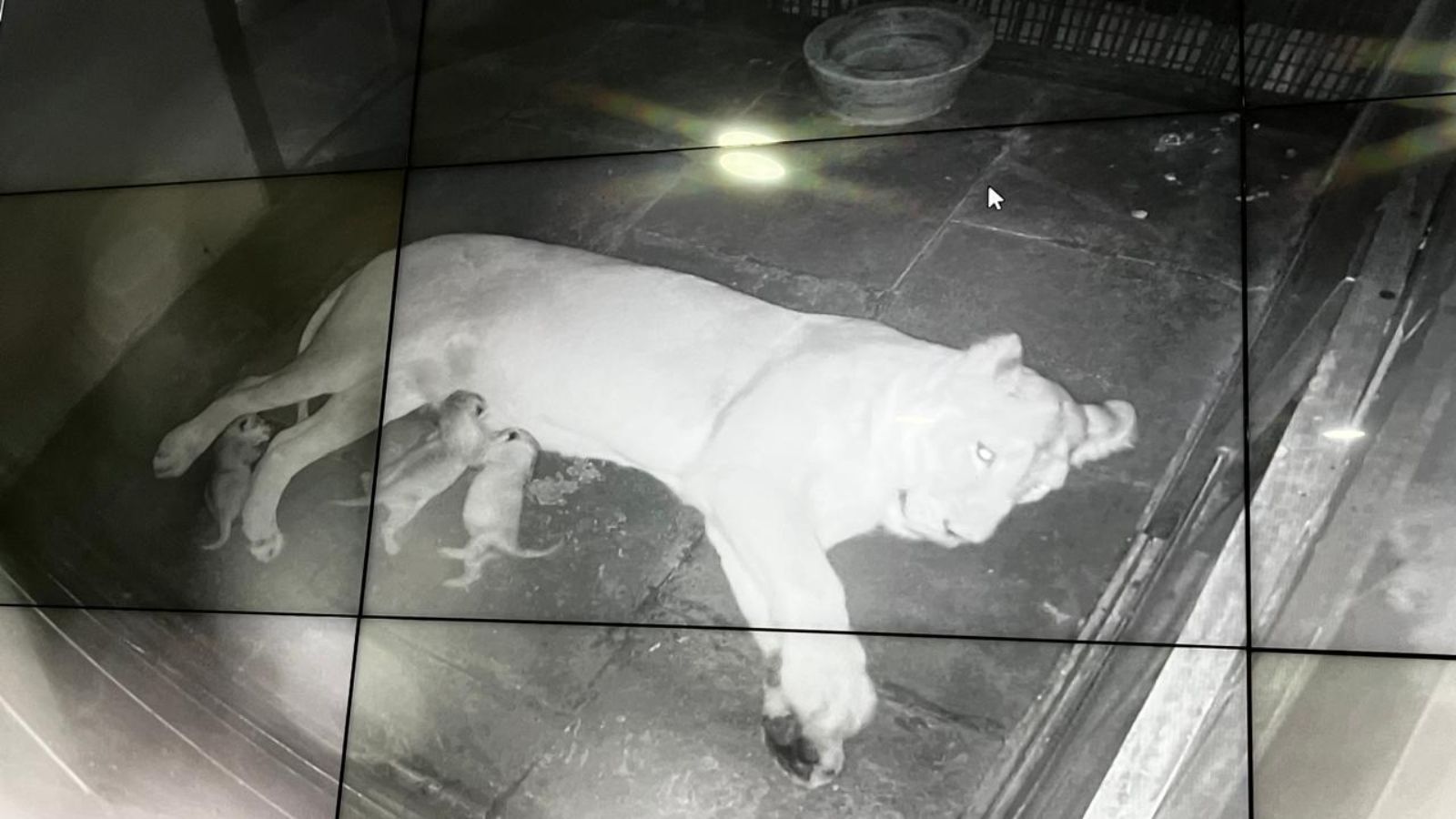
Three‑day‑old Asiatic lion cubs nestled beside their mother Mahagauri in a quiet maternity enclosure at the National Zoological Park. The official announcement on July 7 confirmed that this is the second successful litter from the breeding pair Mahagauri‑Maheshwar, following a previous litter in 2025.
Why the Birth Matters
The Asiatic lion (Panthera leo persica) is classified as Endangered, with its only wild population confined to Gujarat’s Gir forest. Delhi Zoo had not recorded a lion cub birth since 2009, making the 2025 litter a breakthrough and the 2026 litter a reinforcement of that success. The zoo’s breeding programme aims to create a genetically healthy captive population that can serve as a backup for the dwindling wild stock.
Hands‑Off Care Strategy
Senior zoo officials emphasized a “hands‑off” approach, relying on 24‑hour CCTV surveillance and intervening only in medical emergencies. This method respects the mother’s natural instincts, allowing her to nurse and protect the cubs without human disturbance, which is critical during the first 48 hours of life.
Current Lion Demographics at the Zoo
With the arrival of the three newborns, the zoo now counts nine Asiatic lions: three males (Sundaram, Maheshwar, Kartik) and three females (Mahagauri, Shailja, Karni) plus the three cubs. Mahagauri, Maheshwar, and Shailja were transferred from Gujarat’s Sakkarbaug Zoo in 2021 under an animal‑exchange programme designed to strengthen the captive breeding effort.
Implications for Global Conservation
As the species remains on the International Union for Conservation of Nature (IUCN) Red List, ex‑situ breeding is a critical component of its survival strategy. Successes like Delhi’s provide a template for other institutions worldwide, demonstrating that vigilant, minimally invasive monitoring can yield healthy offspring and enhance genetic diversity. Experts warn that habitat loss in the Gir region heightens the importance of such captive populations for potential future re‑introduction or genetic rescue.