Typhoon Bavi, barreling north of Taiwan, is set to make landfall on China’s east coast, intensifying a week that has already claimed over 50 lives across the region.
Key Takeaways
- Typhoon Bavi reaches 162 km/h sustained winds
- More than 17,000 people evacuated in China
- Combined death toll exceeds 50 across multiple provinces
Typhoon Bavi, the most powerful cyclone of the season, is racing toward China’s eastern shoreline after skirting north of Taiwan. With sustained winds of 162 kilometres per hour, the storm is projected to pass north of Taiwan on Saturday night before striking the Chinese coast near the Fujian‑Zhejiang border.
Background and Historical Context
Over the past decade, the north‑western Pacific has produced several high‑impact typhoons that have battered both China and Taiwan. Notable predecessors include Typhoon Hagibis (2019) and Typhoon Mangkhut (2020), which highlighted the growing vulnerability of densely populated coastal regions. Climate‑driven sea‑surface temperature rises are now amplifying storm intensity, making Bavi a textbook example of a climate‑change‑linked extreme weather event.
Current Situation
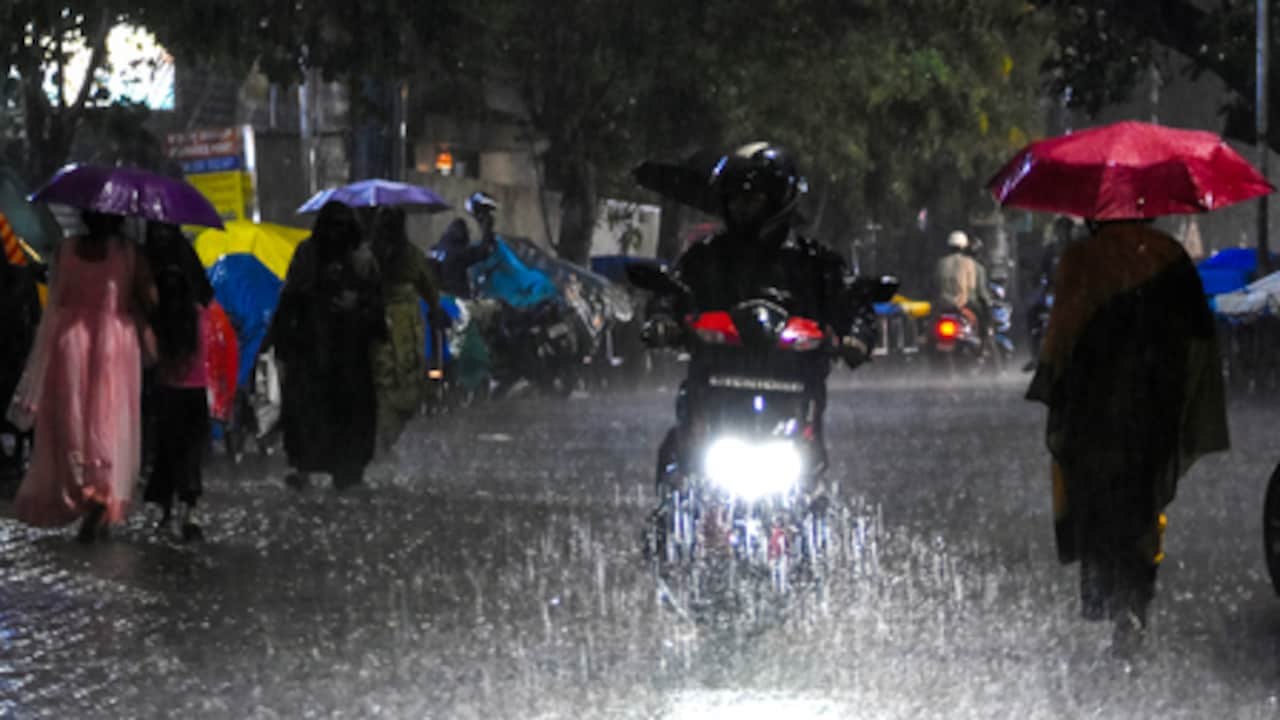
In Taiwan, authorities have shut schools in Taipei and cancelled numerous flights to Japan, Hong Kong and other destinations. Fishing vessels have been tightly moored in northern ports as the island braces for heavy rain from Friday night into Saturday. Meanwhile, mainland China has already evacuated more than 17,000 residents and placed 170,000 rescue personnel on standby. Zhejiang province initiated large‑scale evacuations, while Fujian suspended ferry services and ordered fishing boats back to harbor.
Recent Fatalities and Ongoing Disasters
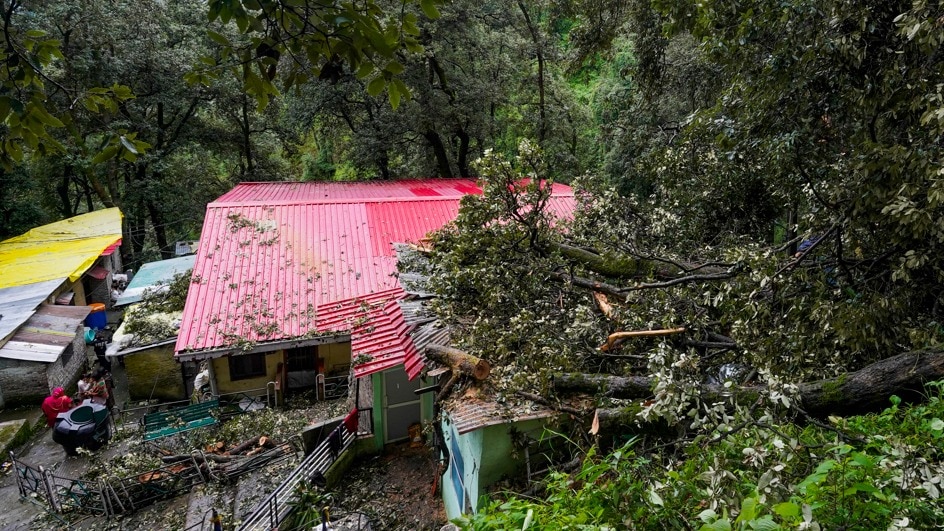
Prior to Bavi’s arrival, a series of severe weather events across China claimed at least 50 lives. Tropical Storm Maysak triggered unprecedented rainfall in Guangxi, breaching reservoirs and causing a dam breach in Hengzhou. In southern China, floods left communities stranded for days without power. Hubei province suffered 11 deaths from thunderstorms and tornadoes, and a separate landslide in Gansu province killed 21 forestry workers.
Future Outlook and International Response
If Bavi maintains its current trajectory, heavy rain and flash‑flood risks will intensify south of Shanghai. International humanitarian agencies are poised to assist both China and Taiwan with relief supplies and technical support. Meteorologists warn that the frequency of such high‑intensity storms is likely to rise, underscoring the urgency for robust disaster‑risk reduction and climate‑adaptation policies.