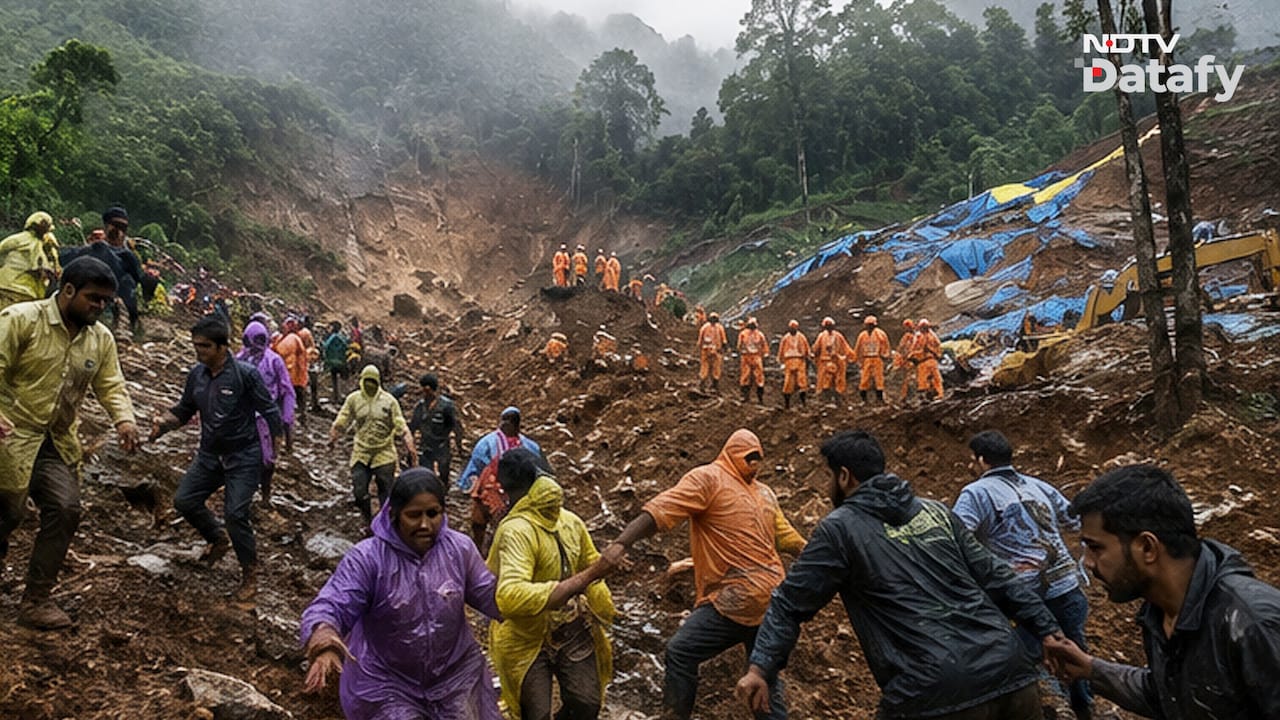
Wayanad and several neighboring districts are exposed to severe landslide hazards, where even a single slide can cause disproportionate damage. India ranks among the four countries with the highest landslide risk globally.
Key Takeaways
- Wayanad and several other districts face high landslide exposure.
- India ranks among the top four nations globally for landslide risk.
- Annual losses exceed one fatality per 100 sq km, urging urgent mitigation.
Wayanad’s hilly terrain has long been recognized as landslide‑prone, but the latest risk mapping shows it is not an isolated case. Nearby districts in Kerala such as Malappuram, Idukki and Kodikunnal share comparable geology, climate patterns and human pressures, placing them on a similar risk spectrum.
India’s Global Standing
Only four countries worldwide register the highest landslide risk, and India is one of them. According to the International Landslide Research Centre, the nation suffers more than one death per 100 square kilometres annually due to landslides. This metric highlights not only human loss but also the cascading economic and social disruption that a single event can trigger, often crippling infrastructure, agriculture and rural livelihoods.
Root Causes of the Hazard
The frequency and intensity of landslides stem from a confluence of factors. Intense monsoonal rainfall, especially the south‑west monsoon, combined with inadequate drainage, rampant deforestation and unregulated construction, act as primary triggers. In districts like Wayanad, rapid runoff from catchments and unstable slopes accelerate the likelihood of a slide.
Preventive Measures and Policy Direction
In recent years, the government has rolled out early‑warning systems, digital risk maps and community‑awareness campaigns. However, the effectiveness of these initiatives hinges on ground‑level implementation. Experts argue that sustainable forest management, modernization of drainage networks and mandating risk‑sensitive building codes are essential. Moreover, regular training sessions in schools and gram‑panchayats can enhance rapid response capabilities.
Looking Ahead
With climate change amplifying extreme weather events, the probability of landslides is set to rise. If proactive steps remain insufficient, Wayanad and its neighboring districts could face amplified human casualties, reduced agricultural output and a hit to tourism—a key economic driver. A multi‑layered strategy—spanning policy reform, scientific research and local participation—is indispensable to curb this looming threat over the long term.