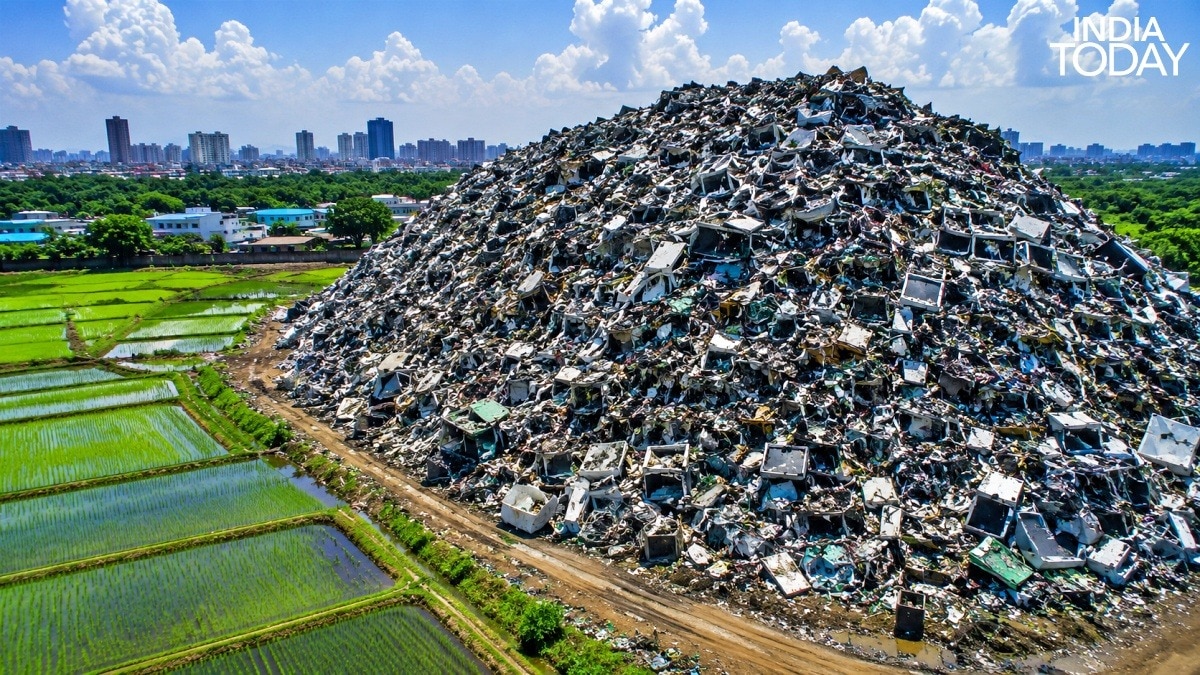
Amid India's mounting e‑waste crisis, Delhi’s newly announced EV Policy 2026 embeds a dedicated battery‑recycling framework, signalling a shift from waste disposal to resource recovery. The move could transform discarded electronics into a valuable metal supply chain.
Key Takeaways
- Delhi’s EV Policy 2026 makes battery collection and recycling mandatory.
- India generated 1.75 million tonnes of e‑waste in 2023‑24, ranking third globally.
- E‑waste holds recoverable gold, silver, lithium, cobalt and other critical metals.
India’s rapid digitalisation has turned phones, laptops and chargers into a burgeoning waste stream. Recognising the dual challenge of pollution and resource scarcity, the Delhi government has woven a battery‑recycling mandate into its 2026 Electric‑Vehicle (EV) Policy, aiming to turn e‑waste into a strategic asset.
What the Policy Entails
The Delhi Pollution Control Committee (DPCC) is now the nodal agency responsible for drafting standard operating procedures (SOPs) covering collection, safe storage, transport and recycling of end‑of‑life batteries. The framework aligns with the 2022 Battery Waste Management Rules, which obligate manufacturers to retrieve and recycle spent batteries.
The National E‑Waste Landscape
Globally, 62 million tonnes of e‑waste were generated in 2022, yet only 22.3% was formally recycled. India contributed roughly 3.8 million tonnes in FY24, placing it as the world’s third‑largest e‑waste generator. From 1.01 million tonnes in 2019‑20, the country’s e‑waste output surged to 1.751 million tonnes in 2023‑24, underscoring an accelerating crisis.
Health and Environmental Risks
E‑waste contains hazardous substances such as lead, cadmium, chromium and brominated flame retardants. When dumped in landfills, burnt openly, or dismantled without safeguards, these toxins leach into soil, water and air, posing severe public‑health threats.
Value Recovery Potential
Contrary to popular perception, e‑waste is a treasure trove of recoverable metals—gold, silver, copper, aluminium, lithium, cobalt and nickel. Efficient recycling can curb environmental pollution while reducing dependence on virgin mining. Environmentalist Anjal Prakash, an IPCC panel author, remarked, “E‑waste is not just a disposal problem; it is a governance, public‑health and resource‑recovery opportunity.”
Looking Ahead
If Delhi’s model proves scalable, it could set a precedent for other Indian states. Success hinges on robust traceability, authorized recycling facilities, and heightened consumer awareness. Mere regulatory mandates are insufficient without the operational capacity to enforce them across the value chain.