The India Meteorological Department forecasts intense rainfall across northern, eastern and northeastern states on July 12, while isolated heatwave conditions are expected in coastal Andhra Pradesh.
Key Takeaways
- Heavy rain expected across several states on July 12
- Monsoon remains active over North, East and Northeast India
- Isolated heatwave conditions forecast for coastal Andhra Pradesh
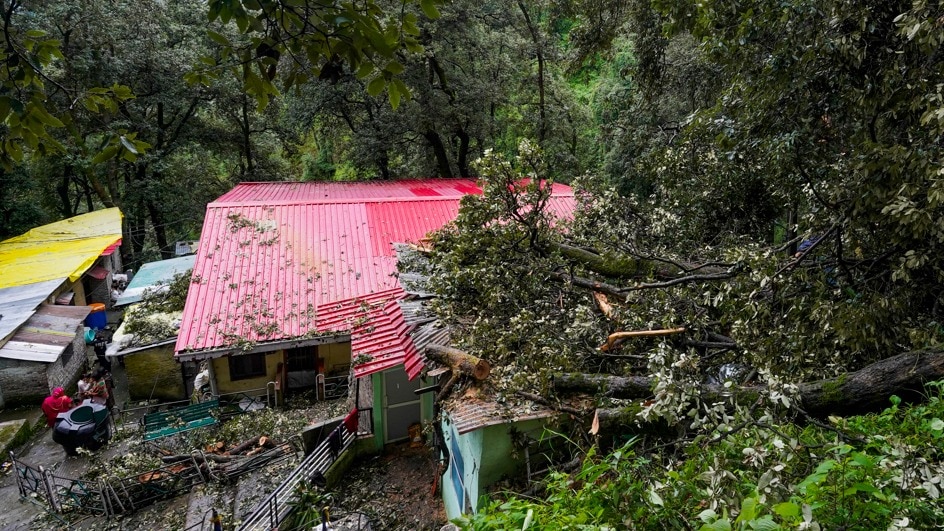
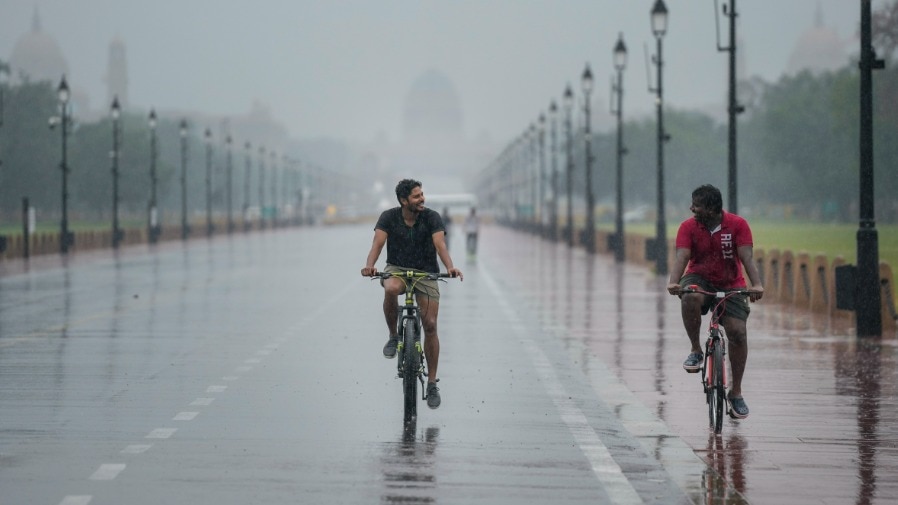
The India Meteorological Department (IMD) has issued a monsoon outlook for July 12, indicating that large swathes of the country will remain under active monsoon influence. Heavy to very heavy rainfall is projected for Bihar, Assam, Meghalaya, West Bengal, Jharkhand and Uttarakhand, while scattered showers are also expected in Haryana, Chandigarh and Delhi, extending the wet spell that has persisted across northern regions in recent days.
Monsoon Belt Extends Across the Subcontinent
The southwest monsoon continues to dominate, delivering widespread precipitation across the Himalayan foothills, eastern India and the Northeast. IMD’s forecast highlights isolated to very heavy rain in Assam and Meghalaya, as well as in the sub‑Himalayan parts of West Bengal and Sikkim. Additional heavy rainfall is anticipated over Arunachal Pradesh, eastern Uttar Pradesh, Chhattisgarh, Odisha, Punjab, Himachal Pradesh, Jammu & Kashmir, and the Delhi‑NCR region.
Thunderstorms and Strong Winds
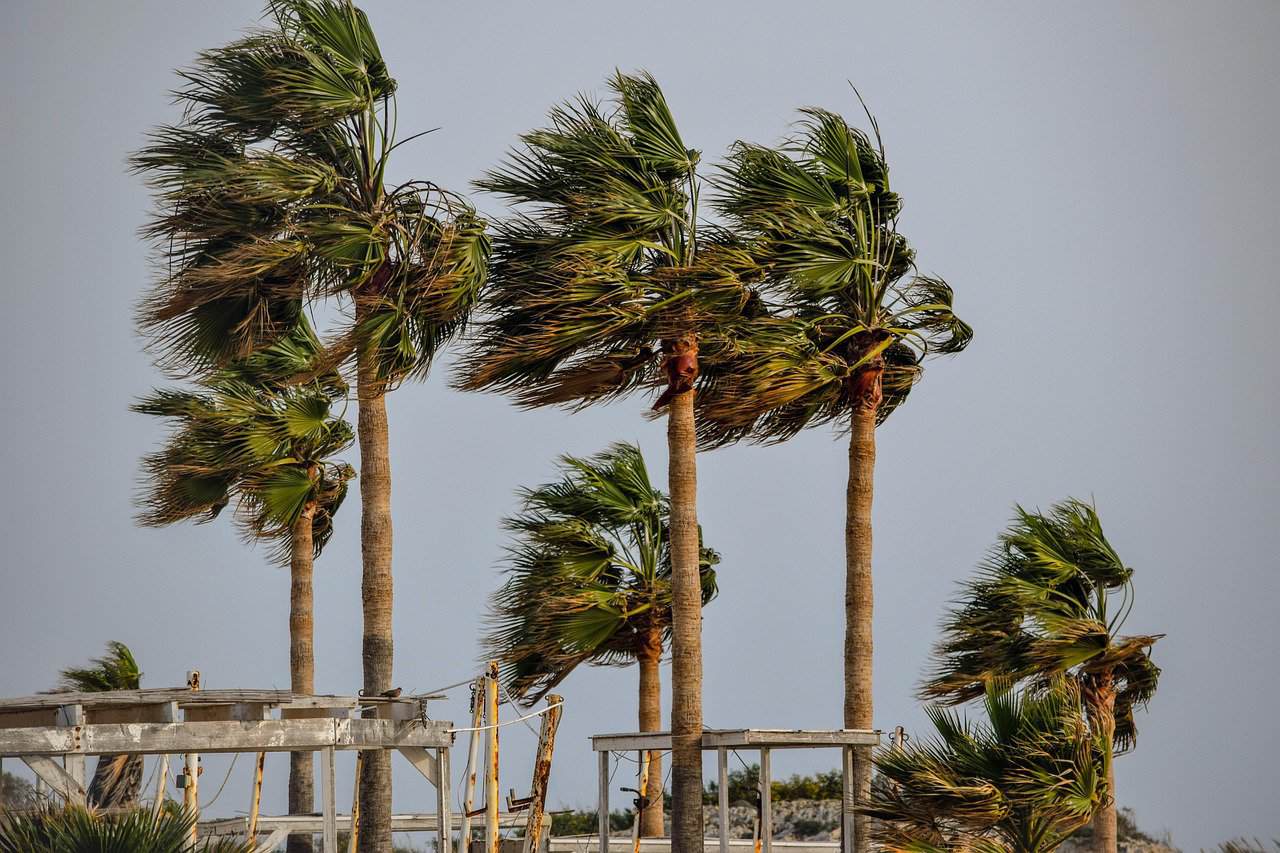
Accompanying the rain, thunderstorms with lightning and gusts of 40‑50 km/h are likely over the Andaman & Nicobar Islands, eastern Madhya Pradesh, Jammu & Kashmir and Jharkhand. Gusty winds of 30‑40 km/h are expected over the Gangetic plains of West Bengal, Odisha and western Madhya Pradesh, while the Northeast, Bihar and Uttarakhand may also experience lightning‑laden storms.
Isolated Heatwave Pockets
Despite the extensive monsoon coverage, the IMD warns that isolated heatwave conditions could persist in coastal Andhra Pradesh on July 12. This juxtaposition of heavy rain in much of the country and localized high temperatures underscores the growing climatic variability driven by broader climate change trends.
Authorities are urged to maintain heightened vigilance, with continuous monitoring of river levels and prompt issuance of flood alerts in vulnerable districts. Simultaneously, health officials should advise residents in heat‑affected zones to stay hydrated and limit outdoor exposure during peak temperature hours.