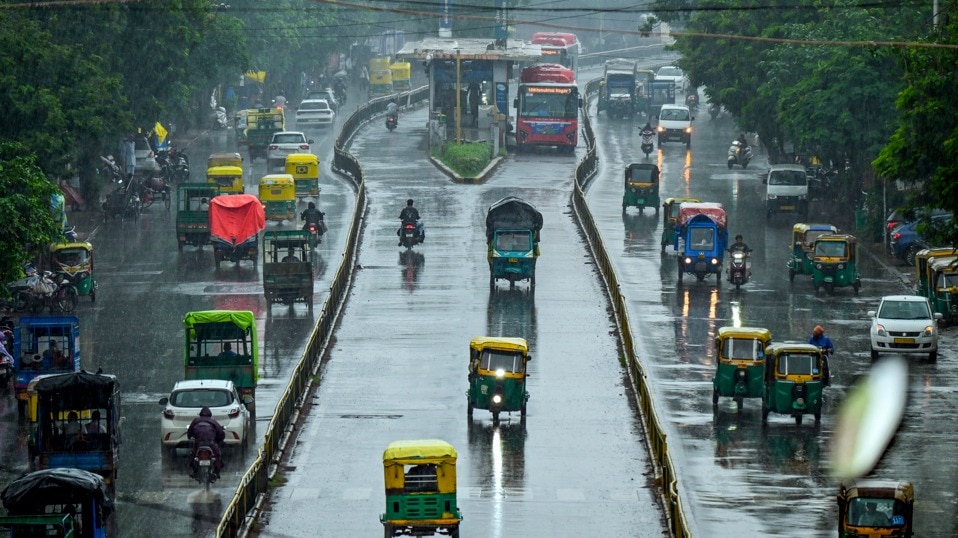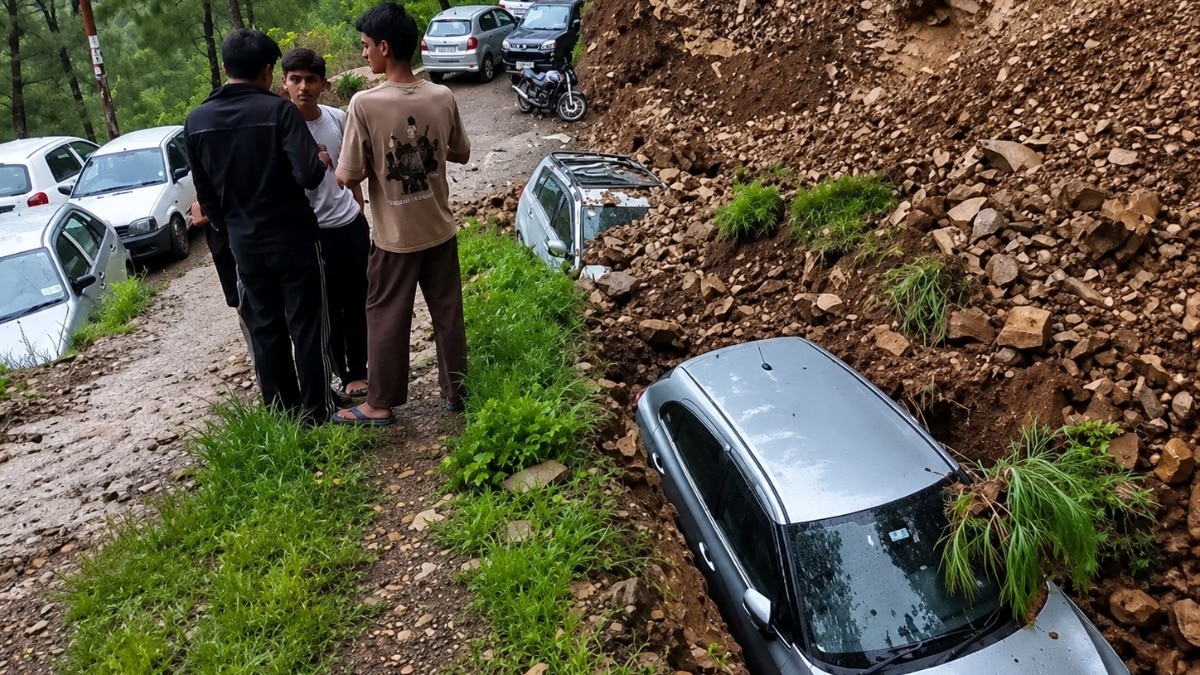
A sudden landslide in Shimla, spurred by relentless heavy rain, completely buried two parked cars. The incident, captured on video, has sparked discussions about emergency response and infrastructure resilience in the hill city.
मुख्य बिंदु (Key Takeaways)
- Intense rainfall caused a severe landslide in Shimla
- Two parked private cars were entirely engulfed by the slide
- Local authorities launched swift rescue and relief operations
In the past 24 hours, continuous downpours across Himachal Pradesh’s capital, Shimla, triggered a sudden landslide that swept down a steep slope adjacent to a main road. The slide engulfed two privately parked cars, completely burying them under a cascade of earth and debris. Bystanders filmed the event, and the footage quickly circulated on social media, showing massive soil chunks crashing onto the vehicles while waterlogged roads turned into chaotic streams.
Weather Background and Preceding Events
The Indian Meteorological Department had issued heavy rainfall warnings for Shimla over the previous three days. River levels rose sharply, and several hill‑top catchments reported water accumulation beyond normal thresholds, creating a primed environment for slope failure. While landslides are not new to the region—records date back to the early 1990s—the current event’s intensity and its impact on an urban area raise fresh concerns about climate‑driven hazards.
Authorities’ Immediate Response
Following the slide, Shimla police, the state disaster management force, and local fire services converged on the site. Within two hours, the area was cordoned off, and any potentially trapped individuals were rescued using rescue dogs and specialized equipment. Officials confirmed no injuries, but emphasized the need for improved slope stabilization and drainage systems to mitigate future risks.
Long‑Term Implications and Societal Impact
Shimla, a major tourist hub, faces potential economic repercussions from such natural disruptions. The landslide threatens local businesses, reduces tourist inflow, and heightens public anxiety over safety. Climate experts warn that extreme weather events are becoming more frequent, urging policymakers to adopt comprehensive mitigation strategies that include infrastructure upgrades, early warning systems, and community preparedness training.