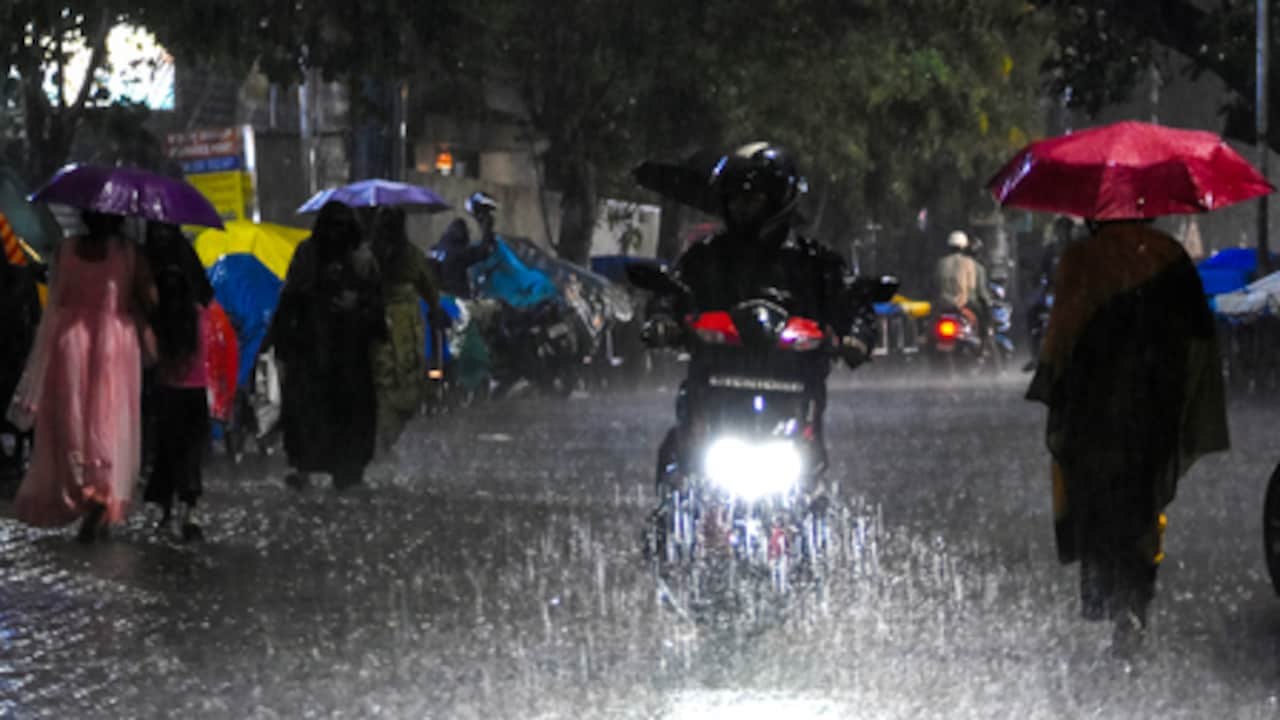
Continuous heavy monsoon showers have triggered massive landslides in Himachal Pradesh and Uttarakhand, while Mizoram and Tripura face rapidly rising floodwaters. The Ganga‑Yamuna river system also swelled to historic levels, disrupting daily life across several districts.
Key Takeaways
- Severe rains cause landslides and infrastructure damage in Himachal and Uttarakhand
- Sudden river level rise floods Mizoram and Tripura, forcing evacuations
- Ganga‑Yamuna basin records unprecedented water levels, schools closed and relief operations intensified
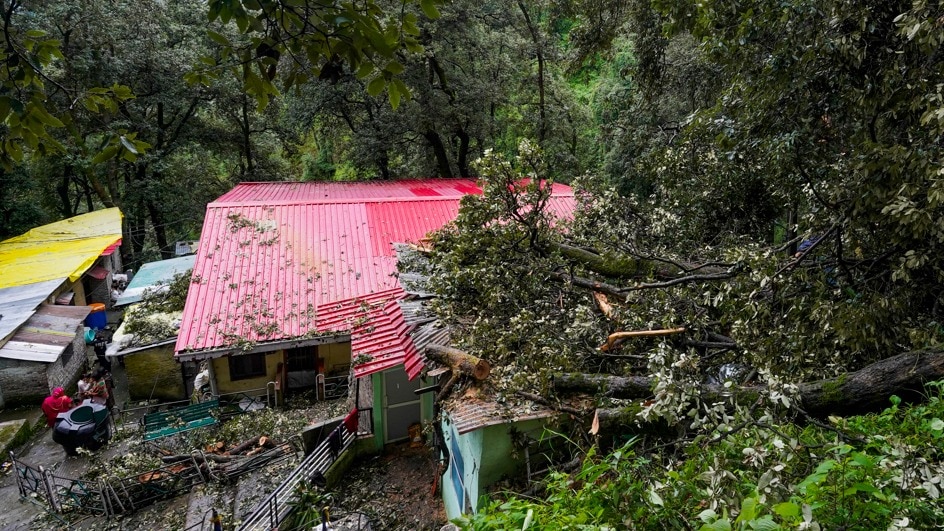
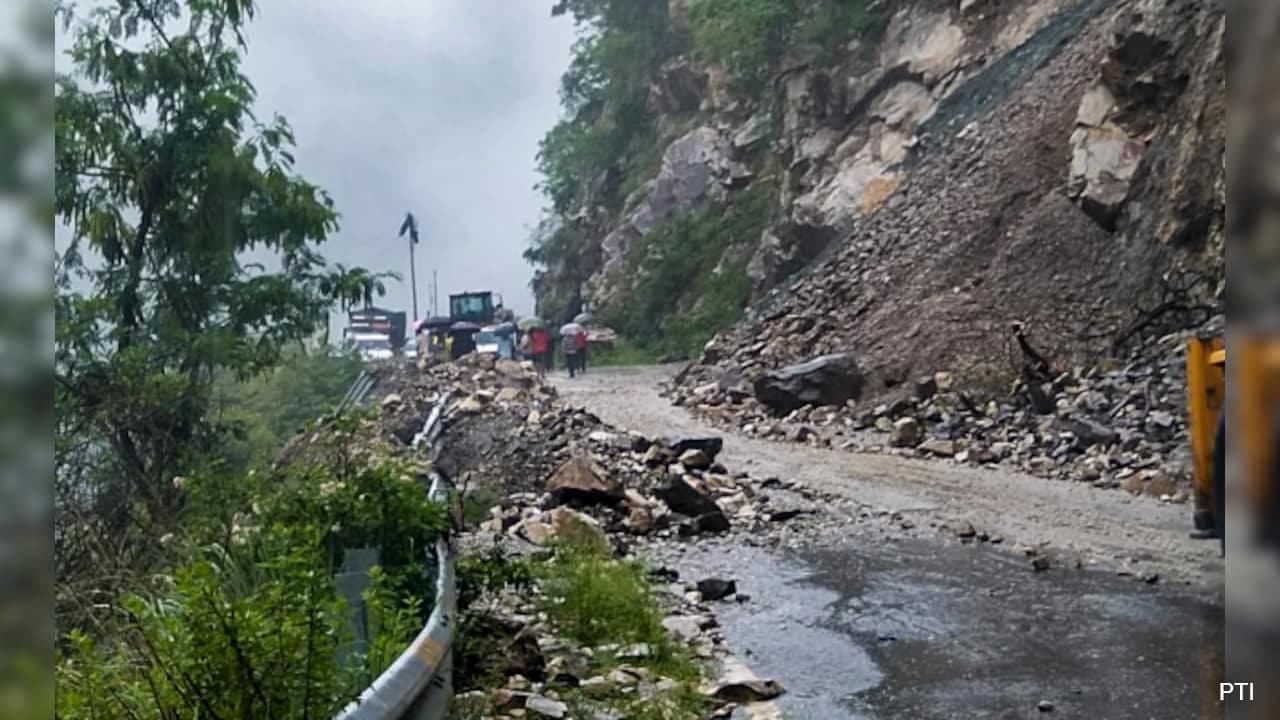
As the monsoon reached its peak, the northern hills and the far‑east of India were battered by a cascade of natural disasters. In Himachal Pradesh and Uttarakhand, relentless downpours have blocked highways, damaged bridges, uprooted trees and forced the closure of schools across many districts, disrupting the routine of thousands.
Background of the Disaster
The Himalayan climate is prone to sudden, heavy rainfall, but this year’s monsoon has surpassed historical averages. Rising global temperatures have altered atmospheric patterns, increasing the intensity and unpredictability of precipitation. The National Disaster Management Authority (NDMA) had already classified the region as high‑risk, yet preparedness gaps amplified the impact.
Landslides in Himachal and Uttarakhand
In Himachal, districts such as Kangra, Kinnaur, and Lahaul‑Spiti reported severe landslides that cut off villages and washed away critical road links. Rivers overflowed their banks, submerging low‑lying hamlets. Uttarakhand’s Almora and Chamoli districts saw entire valleys inundated, with National Highway 7 temporarily shut down. Emergency shelters were set up, but steep terrain and continuous rain hampered rescue operations.
Floods Swamp Mizoram and Tripura
Moving east, the states of Mizoram and Tripura experienced a sudden surge in water levels across tributaries and small reservoirs. In Mizoram’s Churachand and Tripura’s Dhalai districts, water rose to more than double the normal flow, prompting mass evacuations. Authorities deployed ambulances, helicopters, and National Disaster Response Force (NDRF) teams to assist displaced families.
Wider Implications and Government Response
The Ganga‑Yamuna basin, a lifeline for millions downstream, also recorded historic water levels, raising flood concerns for states further south. The central government announced a series of policy measures aimed at strengthening disaster‑resilient infrastructure, including early warning systems for landslides, enhanced river‑bank monitoring, and accelerated reforestation projects. Experts warn that sustainable solutions require climate‑adaptation strategies, watershed management, and robust ecosystem protection.