Following a Bombay High Court directive, the BMC implemented multiple mitigation measures that cut odour-related complaints from the Kanjurmarg landfill dramatically between January and June 2026. The trend signals progress in urban waste management and environmental health.
Key Takeaways
- Soil caps, tarpaulin covers, and misting systems reduced odour complaints
- Tree plantation created a green buffer, yet methane emissions remain a concern
- Long‑term plans include waste‑to‑energy and biomethanation facilities
Earlier this year, the Bombay High Court ordered the formation of a monitoring committee and immediate action to curb the persistent stench emanating from Mumbai’s Kanjurmarg landfill. In response, the Brihanmumbai Municipal Corporation (BMC) rolled out a suite of technical interventions, resulting in a steep decline in odour‑related complaints from 555 in January to zero reported in July 2026, despite heavy monsoon rains.
Current Status of the Landfill
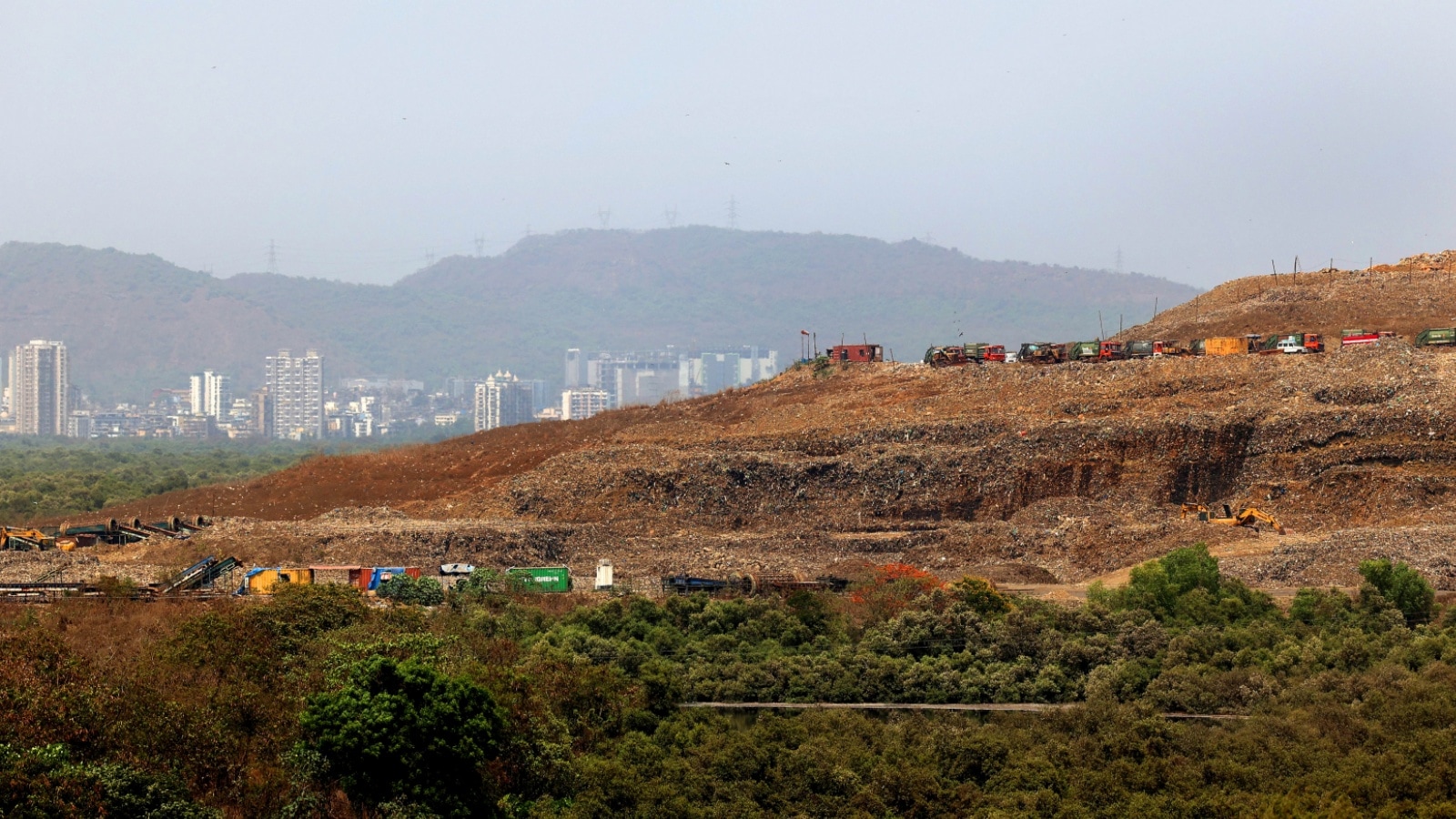
Spanning 144 hectares on the city’s eastern fringe, Kanjurmarg receives roughly 6,100 metric tonnes of waste daily—about 86 % of Mumbai’s total waste generation. Operational since 2011, the site now holds close to 1.89 crore metric tonnes of accumulated waste, with garbage mounds rising between 40 and 50 metres. Residents of neighboring Kannamwar Nagar have long complained of foul odour and respiratory ailments, prompting multiple petitions to the High Court for its closure.
Mitigation Measures Deployed by BMC
Deputy Municipal Commissioner for Solid Waste Management Kiran Dighavkar explained that exposed waste heaps were capped with soil, preventing direct contact with the atmosphere. Odour‑neutralising chemicals and enzymes are sprayed through a misting system, while tarpaulin covers have been installed over bioreactor cells in line with the monitoring committee’s recommendations.
Impact of Green Buffers and Ongoing Challenges
According to a monitoring‑committee member, over 16,000 trees and saplings have been planted in the last one‑and‑a‑half months, with a target of 25,000. Such green buffers slow wind speeds and dilute odorous air before it reaches residential zones. However, biologist Prakash Rai cautioned that while vegetation helps, it does not address the root cause—gases like hydrogen sulfide, ammonia, VOCs, and methane released from decomposing waste require engineering solutions for long‑term control.
Long‑Term Outlook
City officials argue that shutting down the landfill is impractical; finding an alternative 100‑hectare site outside Mumbai’s dense limits is virtually impossible. Consequently, the BMC’s long‑term strategy includes establishing a waste‑to‑energy plant to process daily waste and a biomethanation facility for wet waste treatment. These initiatives aim not only to curb odour but also to convert methane—a colourless yet potent greenhouse gas—into usable energy, thereby reducing the city’s carbon footprint.