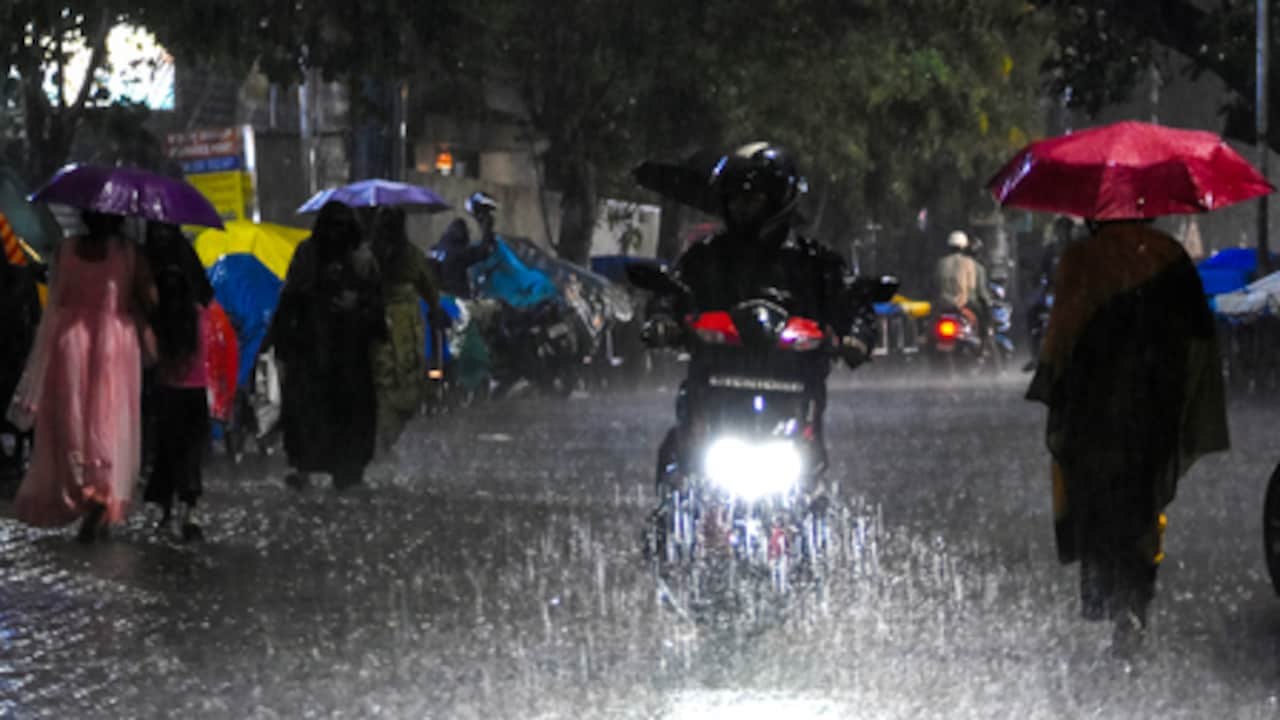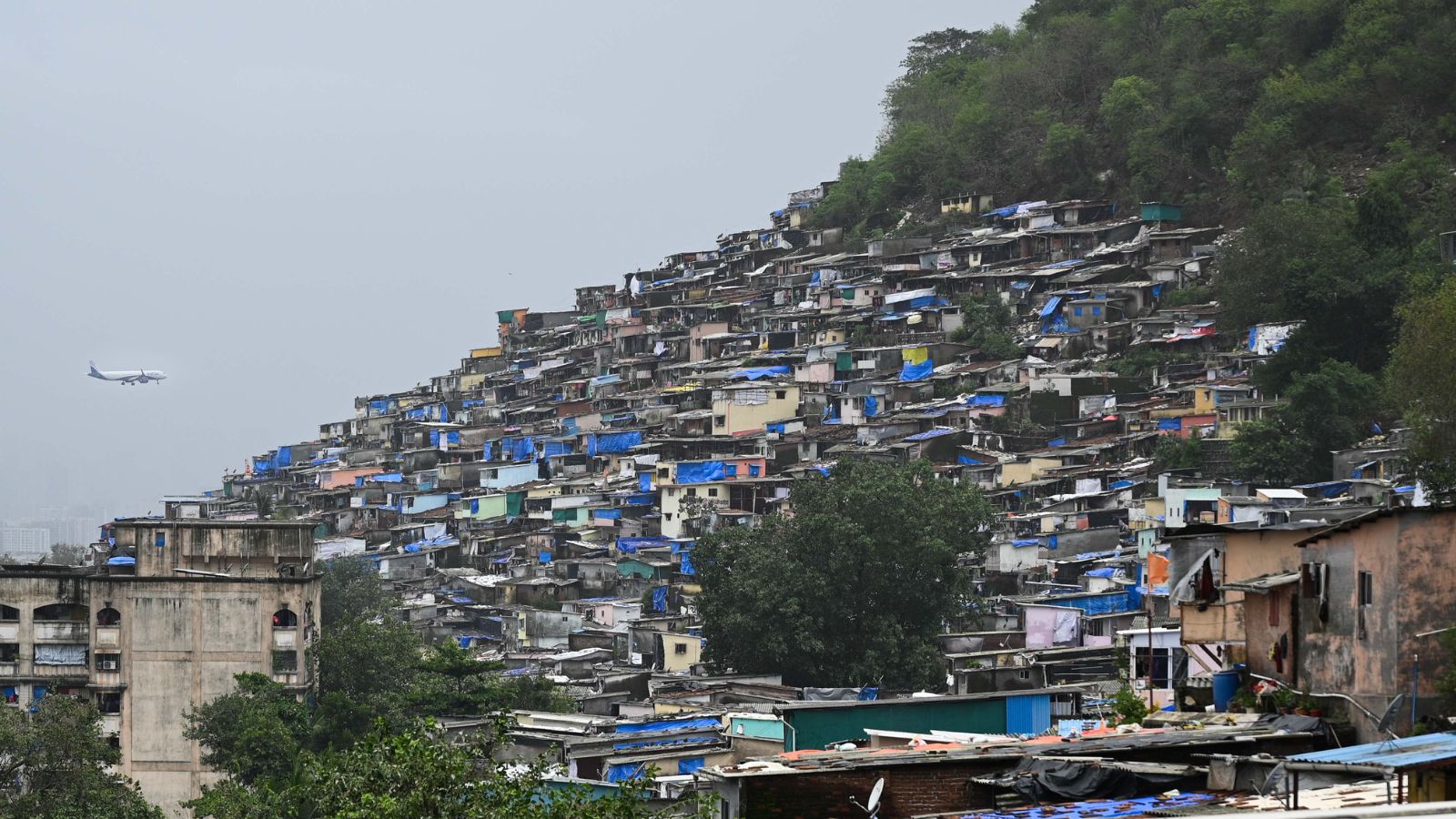
Even as monsoon rains trigger landslides in Vikhroli and Mankhurd, Mumbai residents cling to homes built over decades. Limited alternatives, broken promises, and inadequate government response keep them rooted in danger zones.
मुख्य बिंदु (Key Takeaways)
- Despite repeated landslide warnings, slum dwellers in Mumbai stay put.
- BMC alerts are routine, yet concrete relocation plans are missing.
- Calls for retaining walls and affordable permanent housing intensify.
Heavy monsoon showers in July 2026 turned Vikhroli’s Parksite slum into a landslide‑prone hotspot. While no fatalities were reported, dozens of informal homes collapsed, leaving families without possessions and with a heightened sense of vulnerability.
Background and Prior Warnings
The Brihanmumbai Municipal Corporation (BMC) issues annual landslide risk alerts before the monsoon, but residents treat them as a ritual rather than a call to action. Lakshmi Parab, 58 explains, “Risk is not a stranger to us. Every year before the rains, BMC tells us to move, then washes its hands of responsibility. Yet we stay because this is the home we built over decades.”
After the Slide: Families’ Plight
Pushpa Yadav, 65 watched her house crumble, yet she and her husband survived. “It’s God’s grace that we are alive,” she says, recalling how her partially deaf husband was pulled out just in time. After the collapse, the family took shelter with neighbours while local leaders promised to rebuild their home.
Government Aid vs. Real Needs
BMC offered temporary shelter in municipal schools, but residents demanded “proper housing.” Parab insists, “If relocation is on the table, provide us with safe, permanent homes, not makeshift shelters.” Newly‑wed Asmita Mayangade has begun shifting belongings to a rented house nearby, yet she refuses to abandon the home she and her family have called theirs for years.
Calls for Sustainable Solutions
Residents are pressing for retaining walls to stabilize the sloping terrain. The Maharashtra Housing and Area Development Authority (MHADA) is being urged to prioritize such infrastructure, which could prevent future landslides and reduce the chronic risk faced by these communities.
Amid social bonds, economic constraints, and uncertain relocation promises, Mumbai’s slum dwellers remain entrenched in hazardous zones, highlighting a glaring gap between policy pronouncements and on‑ground realities.