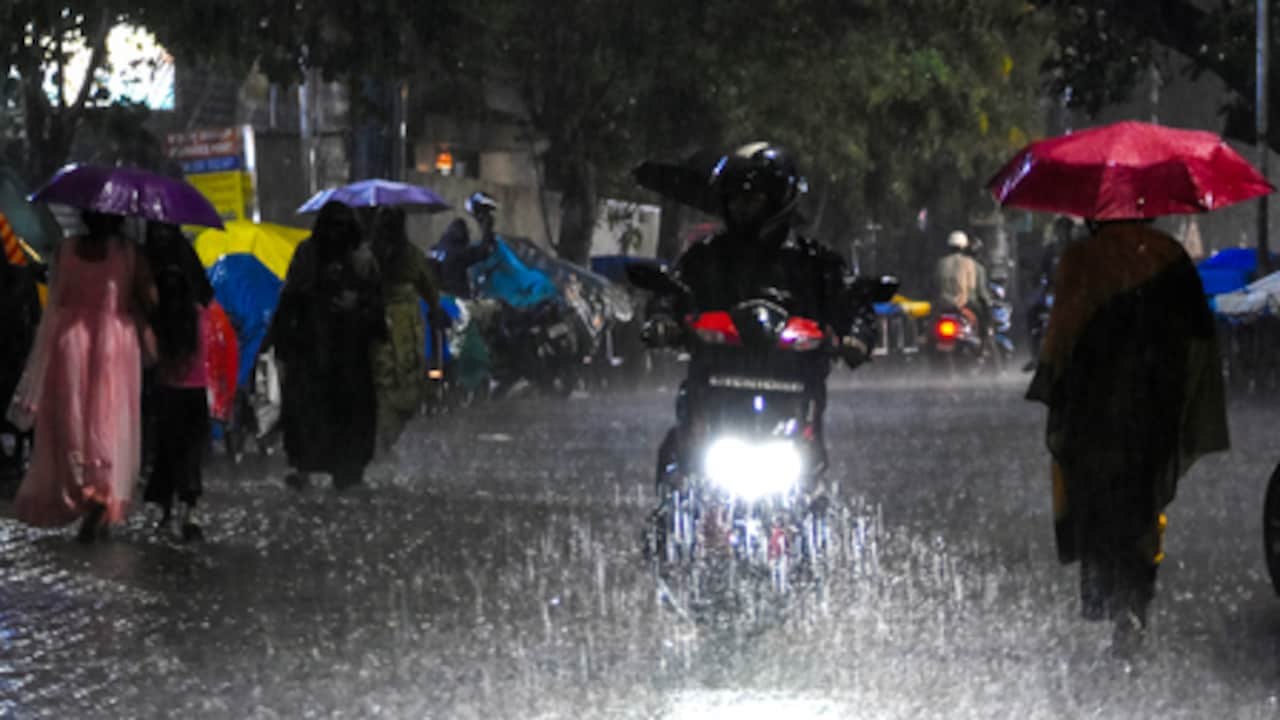
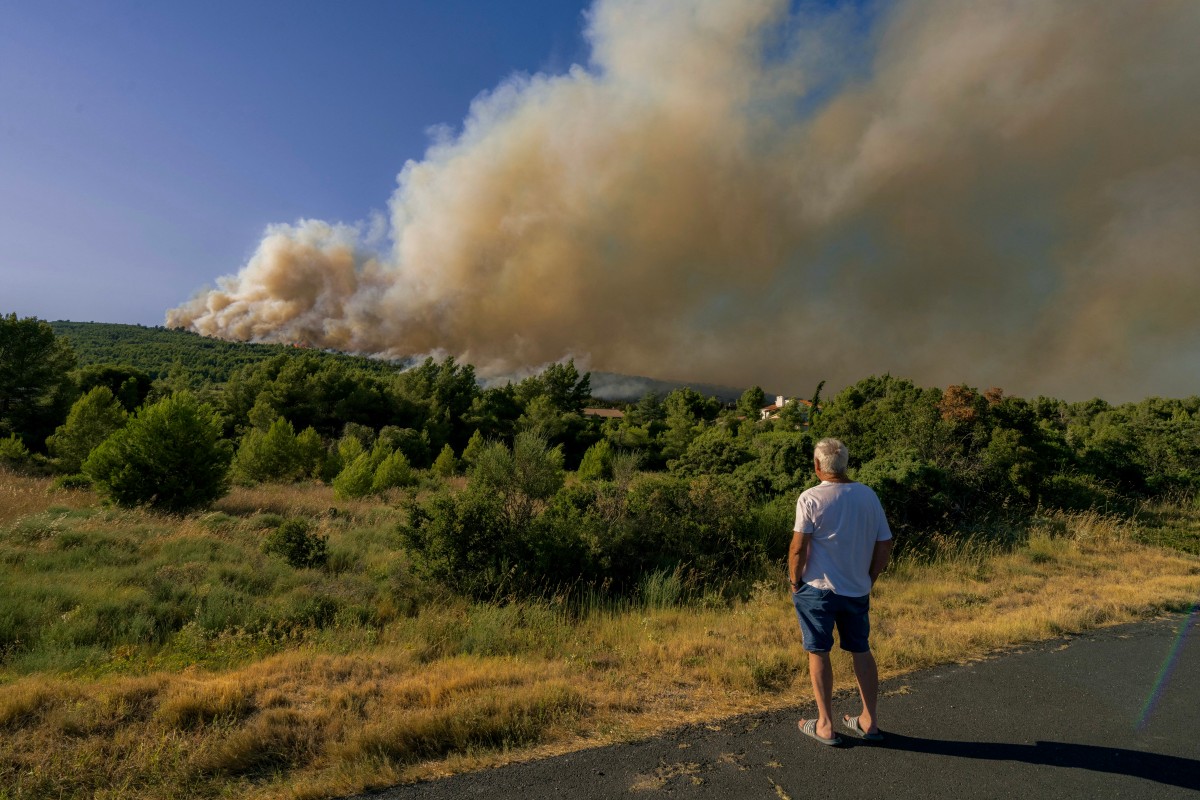
A strong El Niño is likely to hit Andhra Pradesh this year, bringing prolonged heat and a sharp drop in rainfall. The state's disaster response and agricultural policies are now under a critical stress test.
Key Takeaways
- Rising Pacific sea‑surface temperatures raise the risk of severe heatwaves and reduced monsoon rainfall.
- June‑July rainfall is down 42%, leaving 26 of 28 districts facing a deficit.
- Timely village‑level dissemination of weather alerts is essential for effective mitigation.
When sea‑surface temperatures in the Pacific exceed 2 °C above normal, meteorologists label the event a “very strong” El Niño. Between 1951 and 2025 this threshold was crossed four times – 1972, 1982, 2015 and 2023 – and experts now warn that 2026 could see another such episode.
Lessons from Past El Niños
The 2015 El Niño episode claimed over 2,300 lives across India, with Andhra Pradesh accounting for 1,369 deaths. The tragedy spurred the creation of the Andhra Pradesh State Disaster Management Authority (APSDMA). In 2023, despite a similar climatic pattern, improved health interventions limited fatalities to just three, underscoring the value of institutional learning.
Current Weather Outlook
The India Meteorological Department (IMD) issued a fresh heat‑wave alert on 12 July 2026. Seasonal forecasts predict an overall below‑normal monsoon, with only isolated pockets expecting normal or above‑normal rains – a scenario tied to low‑pressure formation over the Bay of Bengal. From 1 June to 11 July, the state recorded a mere 86.2 mm of rainfall against a normal 149.1 mm, a deficit of 42.2 %.
Agricultural Impact and Government Response
Rainfall shortfalls immediately threaten the farming community. In 2023, 54 mandals were declared drought‑hit, affecting roughly 6.96 lakh farmers across 103 mandals. Home and Disaster Management Minister V. Anitha emphasized the need to push weather information down to the village level to curb crop losses. Yet, the agricultural department’s alerts—based on broad agro‑climatic zones—often mismatch local conditions, diluting their effectiveness.
Mitigation Strategies and Challenges
The department has begun urging farmers in rain‑fed Rayalaseema to adopt drought‑tolerant crops. However, farmer willingness and economic feasibility remain uncertain. While the state has markedly reduced heat‑stroke deaths compared with 2015, the critical weak link persists: ensuring that precise, timely advisories reach the fields.
Looking Ahead
If structural gaps in alert dissemination are not addressed, the looming El Niño could exacerbate existing vulnerabilities, turning a climatic challenge into a socio‑economic crisis. The true test will be whether preparedness moves from paper to practice.