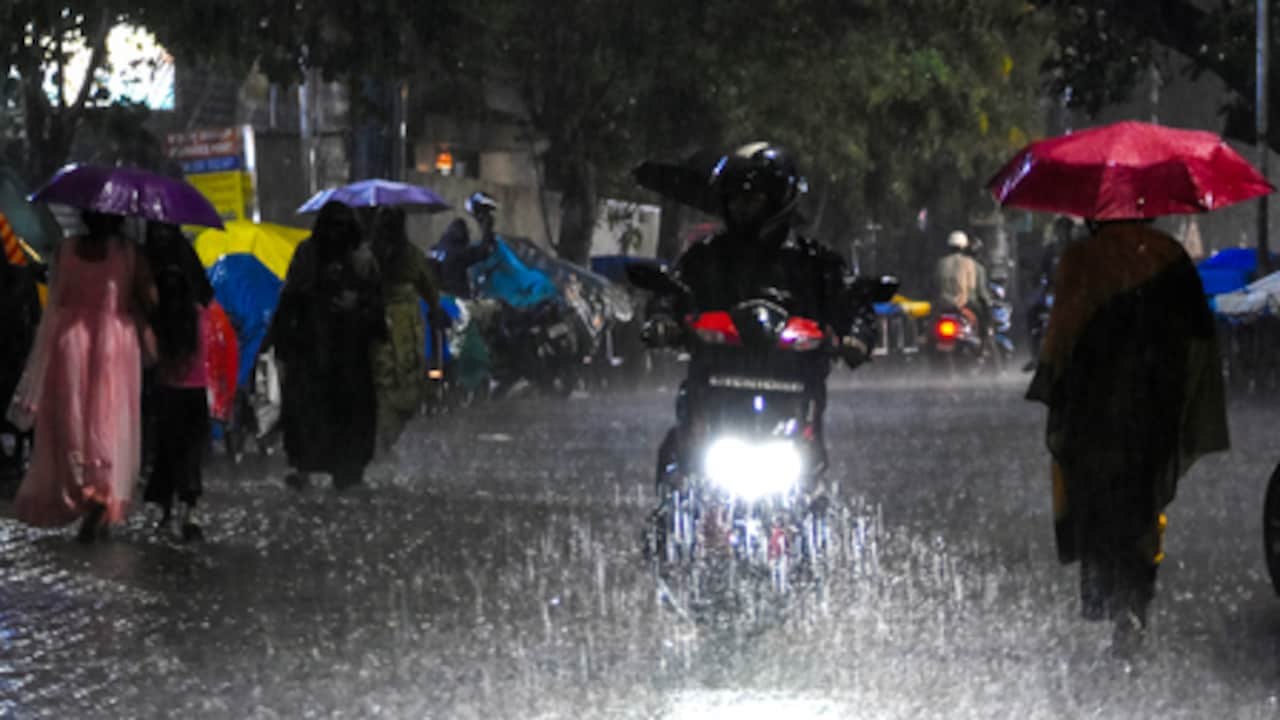
Heavy monsoon rains have claimed 44 lives and left Dhaka under water, while over 250,000 families are displaced. A tragic landslip in the Rohingya camp at Cox's Bazar added to the humanitarian crisis.
Key Takeaways
- 44 deaths reported
- Over 250,000 families affected
- Dhaka paralyzed by floodwaters
Bangladesh recorded 44 fatalities in a week of relentless flooding, with more than 2.5 lakh families forced to flee their homes. The Meteorological Department logged 76 mm of rain between midnight and 6 a.m., pushing river levels above danger thresholds across the capital, Dhaka.
Extent of the Flood and Relief Operations
Flood and landslip incidents have spread across the country’s four major river basins, especially the Meghna and Hill basins where water levels remain perilously high. Parts of the Brahmaputra basin in the north‑west are also forecast to face inundation. The government deployed army, navy and air‑force units to the seven worst‑hit districts, while NGOs set up over 1,100 temporary shelters for the displaced.
Tragedy at Cox’s Bazar
Amid the national crisis, the world’s largest refugee camp in Cox’s Bazar witnessed its deadliest landslip of the year on July 8, killing seven Rohingya children and a teacher. The incident amplified fear among the camp’s residents and prompted urgent calls from UN agencies for additional humanitarian aid.
Historical and Climate Context
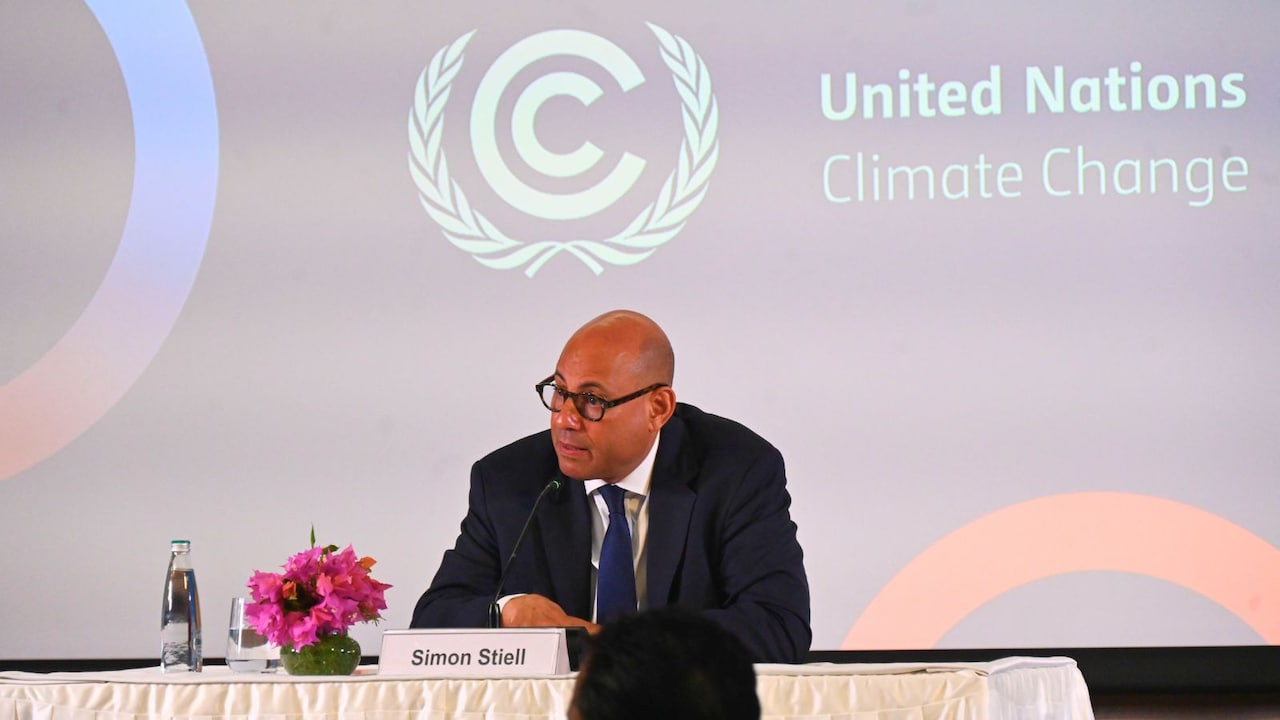
Monsoonal flooding from July to September is a regular feature of Bangladesh, but climate‑change‑driven intensification of rainfall and upstream river flows is exacerbating the situation. A recent UN report highlighted an $800 billion climate‑fund gap in the Asia‑Pacific, underscoring the financing challenges for disaster‑prone nations.
Future Challenges
Forecasts predict heavy to very heavy rainfall over Sylhet, Rangpur and Mymensingh divisions, as well as neighboring Indian states of Meghalaya, Assam and West Bengal. Inadequate drainage, inundated health facilities and the growing number of displaced people pose severe risks to public health and socio‑economic stability, demanding coordinated national and international response.