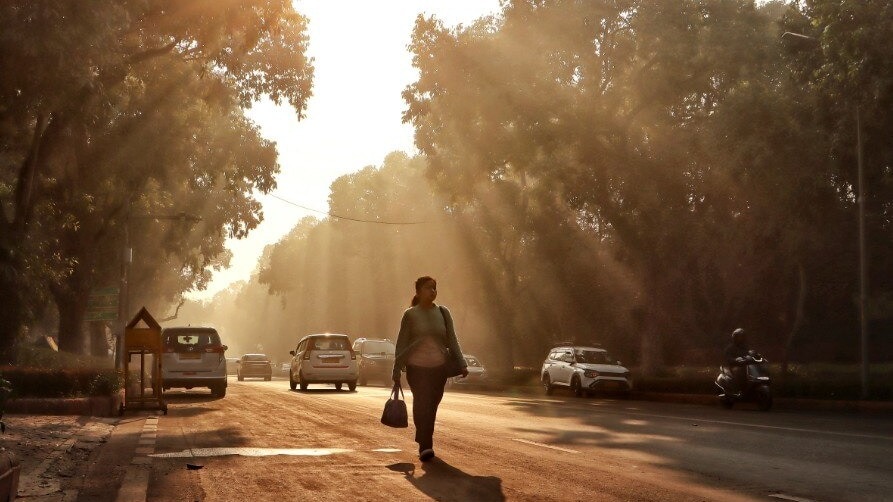
Dust-laden winds from Afghanistan, Iran and Pakistan pushed Delhi's AQI to 261, marking the worst air quality in 85 days and placing the city in the 'poor' category.
मुख्य बिंदु (Key Takeaways)
- Afghan dust storm lifts Delhi AQI to 261
- Air quality drops to 'poor' – highest in 85 days
- GRAP Stage‑I not activated; dust‑control measures intensified
On Sunday, Delhi witnessed a sudden surge in air pollution as trans‑national dust‑laden winds drove the Air Quality Index (AQI) up to 261. This figure represents the highest reading in the past 85 days, eclipsing the previous peak of 263 recorded on April 17.
Environmental Background
Strong winds over Afghanistan, Iran and Pakistan have lifted massive quantities of fine particulate matter (PM10) and carried them across the Indo‑Gangetic plain. Such long‑range dust transport events are not new to South Asia, but this episode has produced an unusually dense plume that settled over the capital, dramatically raising particulate concentrations.
Local Weather Conditions
The India Meteorological Department (IMD) reported a feels‑like temperature of 45.7 °C at 5:30 pm, with the maximum temperature reaching 36.8 °C—about 1.3 °C above the seasonal norm—and a minimum of 28.3 °C. Temperatures across Palam, Lodhi Road and Ridge hovered between 36‑37 °C, while relative humidity varied from 64 % in the morning to 52 % in the evening.
Regulatory Response
The Commission for Air Quality Management (CAQM) clarified that the spike is attributed to trans‑national dust, and therefore the Graded Response Action Plan (GRAP) Stage‑I curbs were not invoked. Nevertheless, the Delhi Pollution Control Committee (DPCC) has been instructed to intensify ground‑level dust‑control measures. Forecasts suggest AQI will remain in the 'poor' bracket for the next few days before improving once the dust plume dissipates.
Potential Health Implications
Elevated PM10 levels can aggravate respiratory ailments, asthma attacks, and allergic reactions, especially among children, the elderly, and individuals with pre‑existing conditions. Health authorities have issued advisories urging residents to limit outdoor exposure, use masks, and stay hydrated.