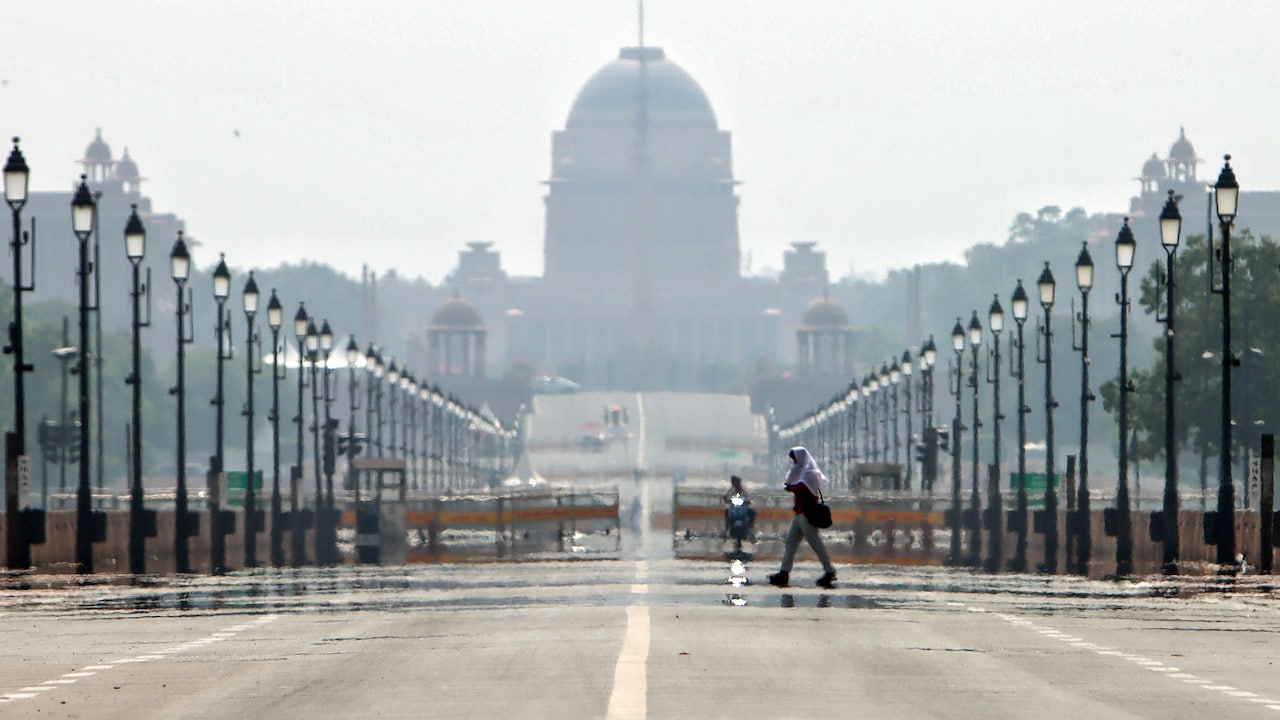
Delhi's Air Quality Index hit 261 on Sunday, the highest reading in more than 85 days. Coupled with a feels‑like temperature of 45.7°C, health officials warn of heightened risks for residents.
Key Takeaways
- Delhi AQI reaches 261 – highest in 85 days
- Feels‑like temperature at 45.7°C, amplifying health risks
- Primary pollution drivers: traffic, construction dust, crop‑burning haze
On Sunday, Delhi’s Air Quality Index (AQI) surged to 261, classifying the city’s air as ‘poor’ for the first time in over 85 days. The same day, the Meteorological Department recorded a feels‑like temperature of 45.7°C, creating a hazardous combination for public health.
Background and Root Causes
Delhi’s air‑pollution crisis is a seasonal as well as a structural issue. During the pre‑monsoon heat, intense sunlight accelerates photochemical reactions, pushing fine particulate matter (PM2.5) levels higher. Simultaneously, the city grapples with relentless vehicular emissions, construction‑site dust, and the seasonal practice of crop‑burning in neighboring states of Uttar Pradesh and Haryana. Over the past decade, this trifecta has repeatedly driven AQI readings into dangerous territory.
Health Implications
An AQI of 261 falls squarely into the ‘unhealthy’ bracket, meaning that sensitive groups—children, the elderly, and those with pre‑existing respiratory conditions—face immediate health threats. When combined with extreme heat, the risk of cardiovascular strain, asthma attacks, and other respiratory ailments spikes dramatically. Health experts advise residents to limit outdoor exposure, wear N‑95 masks, and seek air‑conditioned environments whenever possible.
Government Response and Future Outlook
The Delhi administration has rolled out several mitigation measures in recent years, including incentives for public transport use, expansion of solar‑energy projects, and bans on open burning in the surrounding agricultural belt. Yet the latest record AQI suggests these steps are insufficient. Analysts argue that a comprehensive strategy—tightening vehicle emission standards, expanding urban green cover, and launching sustained public‑awareness campaigns—is essential to curb chronic pollution.
In response to the current spike, national environmental agencies and health ministries have issued urgent advisories, urging citizens to avoid prolonged outdoor activities and to adopt protective breathing equipment. The warning extends beyond the capital, as prevailing wind patterns disperse polluted air to adjacent regions.