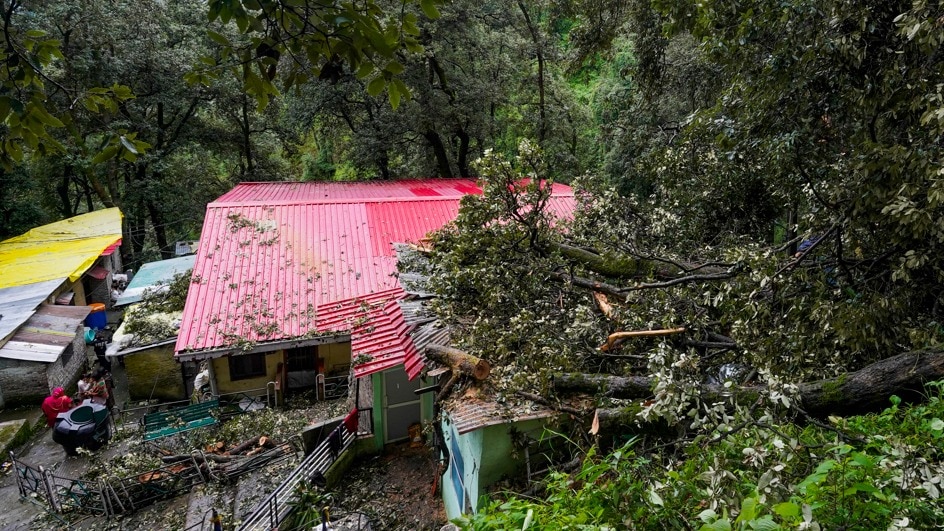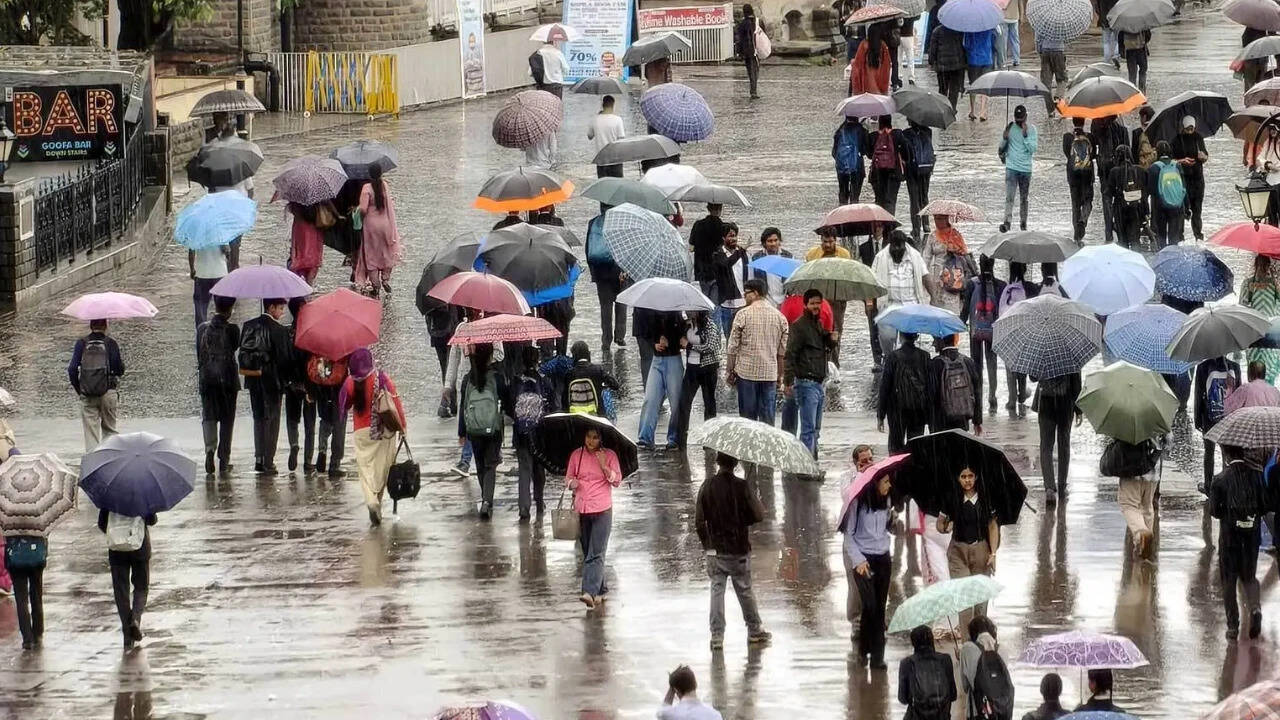
After a week of intermittent rain, India's monsoon has slipped back into a dry phase, pushing the nationwide rainfall deficit to 18%. Forecasts indicate subdued rains across north‑west, west‑central and south‑peninsular regions, threatening recent gains in sowing activities.
Key Takeaways
- India's monsoon deficit rises to 18%
- Subdued rainfall expected across north‑west, west‑central and south peninsular regions
- Fifteen states report deficits of 20% or higher
The Indian Meteorological Department (IMD) warned on Sunday that the plains of north‑west and west‑central India, along with south‑peninsular India, will experience "subdued rainfall activity" over the next six‑seven days. This signals a return to the dry phase of the monsoon after a brief spell of showers that had temporarily reduced the deficit from 40% at the end of June to 14% by July 9.
Brief Relief, Then Back to Deficit
While the rains of early July provided a momentary respite, the overall monsoon deficit widened to 18% as of July 12. Fifteen states—including Bihar, Jharkhand, Punjab, Gujarat, Chhattisgarh, Kerala, Karnataka, Telangana and Andhra Pradesh—are now recording cumulative deficits of 20% or more for the June 1‑July 12 period, with some districts lagging behind by up to 73%.
El Niño’s Role
The current season coincides with a strong El Niño event, characterised by above‑average sea‑surface temperatures in the central‑eastern equatorial Pacific. Historically, El Niño correlates with a weaker monsoon, reduced precipitation and harsher summer conditions across India. This year’s El Niño intensity amplifies the deficit, making it harder for the monsoon to recover even with occasional heavy showers.
Agricultural Implications
India’s agriculture heavily relies on monsoon rains, especially in the core monsoon belt where irrigation infrastructure is limited. The recent dry spell threatens to erode the modest gains made in sowing activity last week. All major crops—paddy, maize and sorghum—still show a lower sown area compared with the same period last year, underscoring the vulnerability of rain‑fed farming.
Forecast Outlook
IMD predicts "heavy to very heavy" rainfall over northeast India, Bengal and Bihar in the next 2‑3 days, and "isolated heavy falls" over eastern Uttar Pradesh in the following 4‑5 days. However, these isolated events are unlikely to bridge the 18% gap, especially given the broader dry trend across key agricultural zones. Experts warn that without sustained precipitation, the deficit could widen further, prompting the government to accelerate water‑storage projects and alternative irrigation solutions.