A sudden cloudburst on Saturday evening unleashed flash floods across Pahalgam, crippling over 20 hotels and numerous huts. A 100‑metre stretch of road washed away, leaving 11 villages without power, water and safe transport routes.
Key Takeaways
- Sudden cloudburst caused severe flash floods in Pahalgam.
- More than 20 hotels and several huts suffered extensive damage.
- 100‑metre road washed away; 11 villages faced utility disruptions.
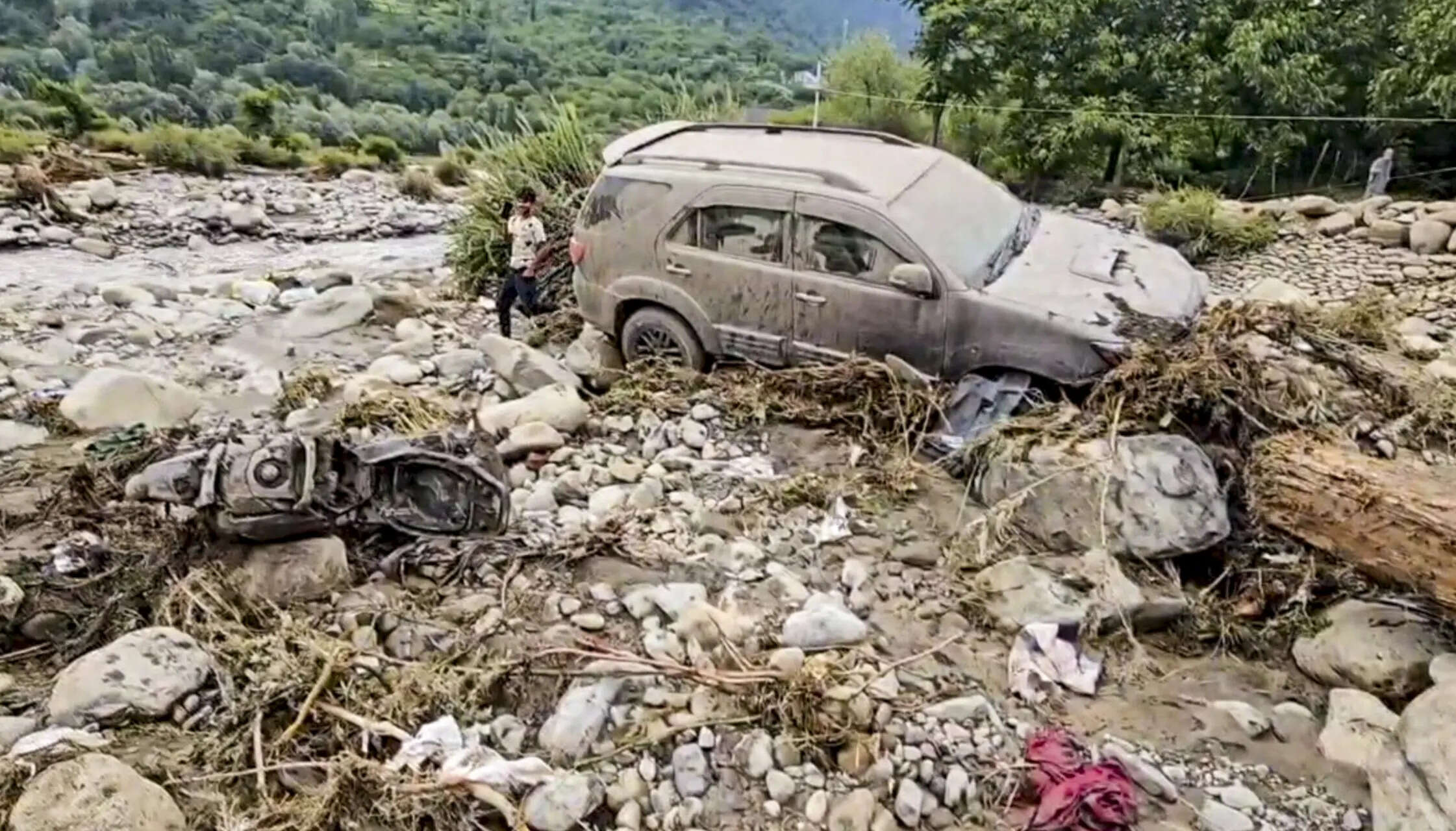
On Saturday evening, a powerful cloudburst over the Overa stream in Jammu & Kashmir’s famed tourist hub of Pahalgam generated a rapid surge of water, resulting in flash floods that inundated the valley within minutes. The deluge surged through narrow mountain channels, reaching water levels of up to five metres in some spots and affecting roughly eleven adjoining villages.
Impact on Tourists and Residents
Visitors recounted the terrifying moment when water rushed into their hotel rooms. “I was inside a hotel when the floodwater suddenly gushed in. The owner and staff quickly opened a rear exit and evacuated us,” said a tourist from Nagpur. Another guest described how the flood hit just as dinner was being served, forcing staff to break a back door and shepherd guests to a nearby village for safety. All affected tourists were later taken to temporary shelters set up by local authorities.
Infrastructure and Agricultural Damage
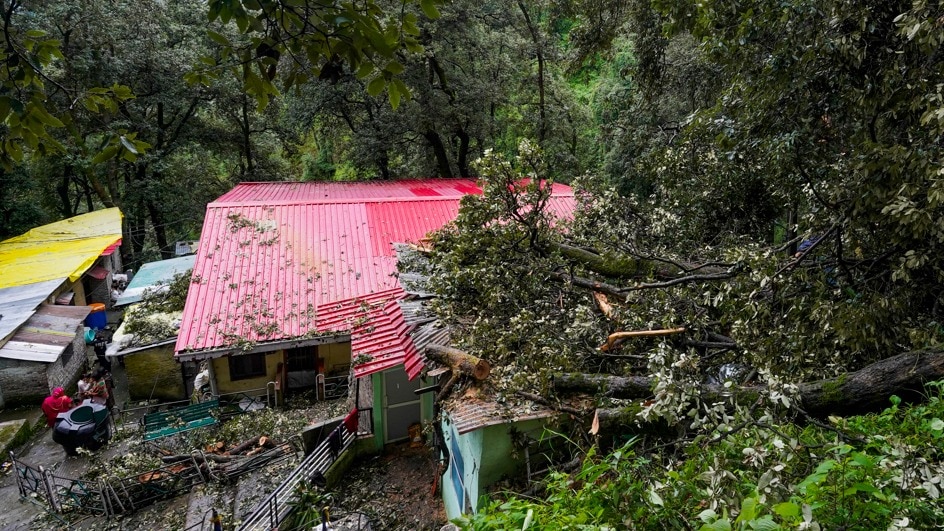
The cloudburst inflicted heavy damage on both private and public infrastructure. Around twenty hotels sustained structural harm, many huts collapsed, and a critical 100‑metre stretch of road was completely washed away, cutting off vehicular access to the affected settlements. Over the Overa stream’s floodplain, agricultural fields were submerged, jeopardising the livelihoods of local farmers. Power lines and water supply pipelines were also disrupted, leaving residents without electricity or potable water for several hours.
Official Response and Policy Questions
National Conference MLA Altaf Kaloo highlighted the scale of disruption: “Eleven villages are severely affected. Roads are blocked, water supply is halted, and there is no electricity.” A government official clarified that the affected zone lies outside the jurisdiction of the Pahalgam Development Authority, complicating immediate relief efforts. PDP leader Iltija Mufti raised a pointed query, “Why have hotels been permitted to be built in the flood channel in recent years?” The question underscores concerns over lax zoning regulations and the safety of constructions in known flood‑prone corridors.
Broader Implications and Future Measures
Climatologists warn that extreme weather events are becoming more frequent across the Himalayas due to global warming. For tourism‑dependent regions like Pahalgam, robust disaster‑management protocols, strict enforcement of building codes, and comprehensive environmental impact assessments are essential. Experts argue that allowing commercial structures within flood channels not only endangers tourists but also places undue strain on local emergency services. Strengthening land‑use policies and investing in early‑warning systems could mitigate future losses.