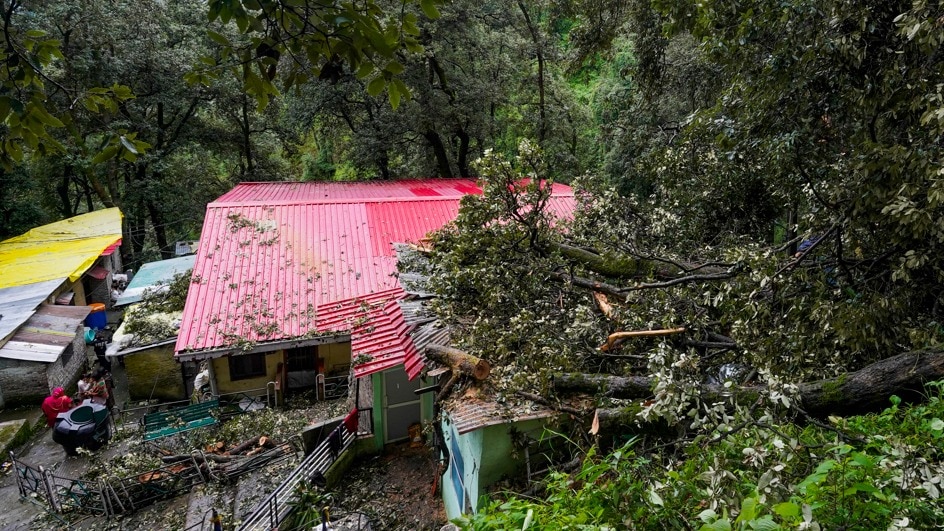
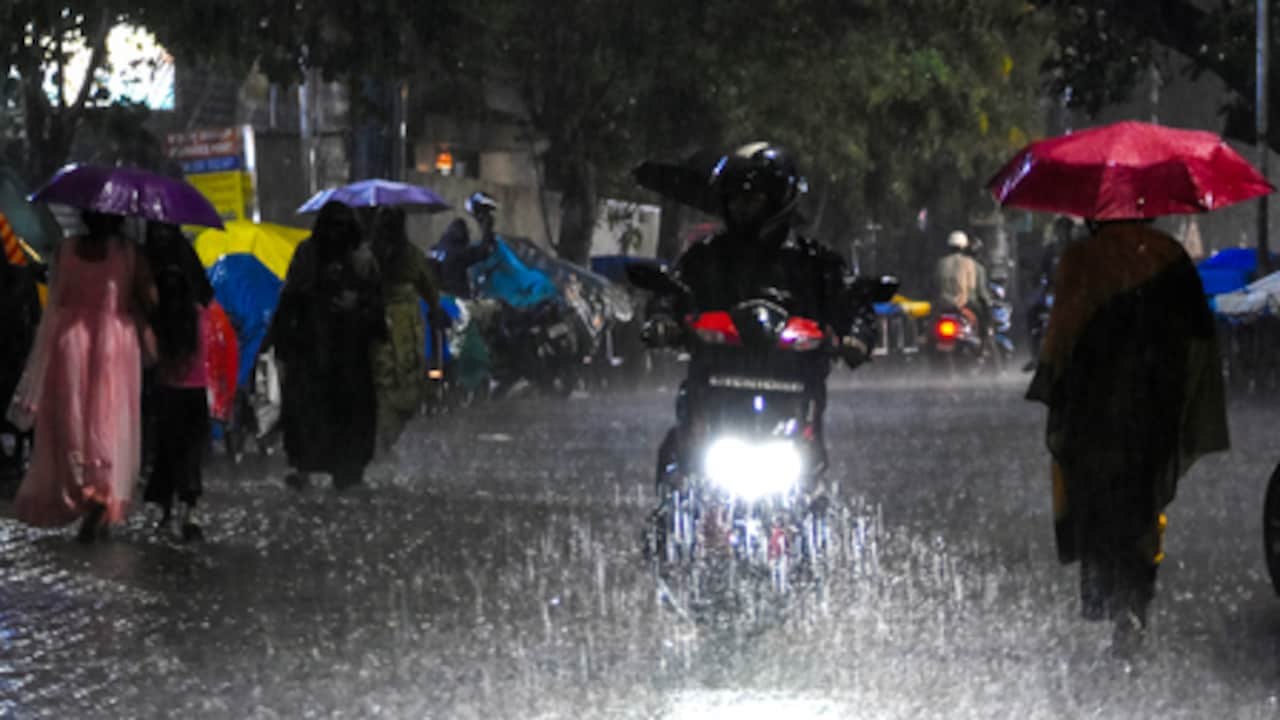
General Manager Sandeep Mathur says South Coast Railway is bolstering disaster preparedness through forecast‑based planning, extensive inspections and bridge monitoring to keep train services uninterrupted during the monsoon. The initiative promises greater network resilience and passenger safety.
मुख्य बिंदु (Key Takeaways)
- Forecast‑based planning for early risk identification
- Comprehensive audits of limited‑height subways and bridges
- Readied emergency assets for rapid response
Since taking charge as the first full‑time General Manager of the newly created South Coast Railway (SCoR) on June 1, 2026, Sandeep Mathur has placed disaster preparedness and infrastructure resilience at the core of the zone’s operations. His strategy shifts from reactive crisis management to a proactive, forecast‑driven resilience model designed to keep train services running smoothly throughout the monsoon season.
Forecast‑Based Resilience Planning
Mathur explained that real‑time weather forecasts from the meteorological department are now integrated into daily railway operations. This data‑driven approach allows cross‑departmental coordination to anticipate vulnerabilities well before they materialize. “Safety is not merely an event‑driven response. It is a continuous process of anticipation,” he said.
Focus on Limited‑Height Subways (LHS)
One of the key inspection targets has been the Limited‑Height Subways that replaced traditional level crossings. Because these subways are prone to water‑logging during heavy rains, Mathur ordered a thorough audit of all vulnerable sections, especially between Pendurti‑Simhachalam North and Gopalapatnam‑Visakhapatnam. Field teams were instructed to keep de‑watering pumps on standby, ensure uninterrupted power supply, and maintain proper drainage to clear water quickly.
Bridge Safety and Real‑Time Monitoring
Major bridges, particularly in the flood‑prone Rajahmundry stretch, received heightened scrutiny. Mathur emphasized that “bridge safety during peak river levels is non‑negotiable.” Real‑time bridge monitoring systems were evaluated, and engineering crews were directed to complete all monsoon‑related maintenance well before the peak rainy period. Inspection teams remain on high alert.
Emergency Preparedness
All emergency assets—Accident Relief Trains (ART), Medical Relief Vans, and Quick Response Teams (QRT)—have been placed in a state of operational readiness across the zone. Senior officials are required to be on call for immediate mobilization, and field staff are tasked with round‑the‑clock vigilance at high‑risk locations.
Long‑Term Infrastructure Push
To eliminate rail‑road conflicts, SCoR has begun work on three major Rail Over Bridges (ROBs) at Gunadala, Guntur, and Mangalagiri, with an estimated cost exceeding ₹300 crore. These projects, along with several others, aim to ease traffic congestion and remove hazardous level crossings.
Mathur concluded, “Safe railway operations depend on continuous field monitoring, timely risk assessment, and the effective use of technology.” As South Coast Railway carves out its operational identity, the emphasis will stay on building a network capable of withstanding extreme weather events and the broader challenges of climate change.