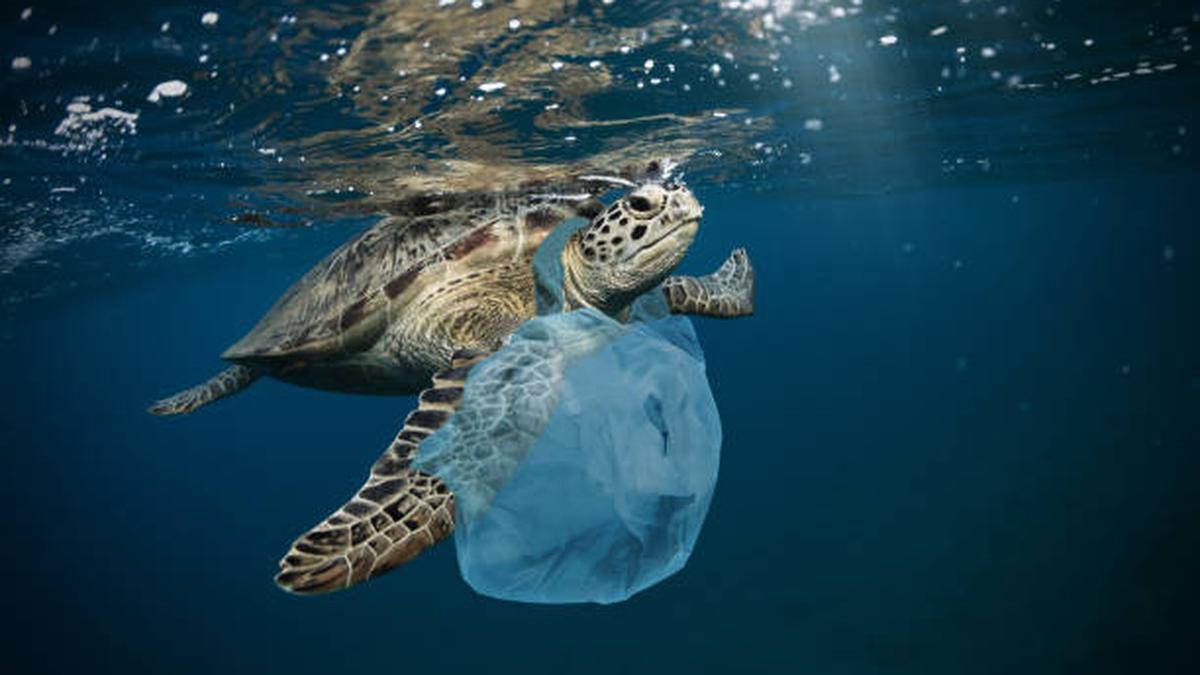
Researchers from the University of Toronto analyzed over 10,000 necropsies of marine animals. The data reveal that nearly 47% of sea turtles and 35% of seabirds contain plastic, with mortality linked to macro‑plastic ingestion.
Key Takeaways
- Plastic was found in about 47% of sea turtle samples
- 35% of seabird specimens contained plastic
- Ingestion of 0.044‑39.89 ml of macro‑plastic per cm body length raises mortality risk to 90%
Researchers at the University of Toronto examined published necropsy data from 57 sources, encompassing more than 10,000 marine animals, in a study released in the Proceedings of the National Academy of Sciences. The dataset comprised 1,537 seabirds (57 species), 7,569 marine mammals (31 species) and 1,306 sea turtles (seven species).
Plastic Ingestion Rates and Fatalities
The analysis showed that 35% of seabirds, 12% of marine mammals and a striking 47% of sea turtles had ingested plastic. Corresponding mortality attributable to plastic was 1.6% for seabirds, 0.7% for marine mammals and 4.4% for sea turtles. Albatrosses, gulls, terns and all seven turtle species were among the most affected.
Types of Plastic and Their Lethality
Rubber proved most lethal for seabirds, while soft plastics and fishing gear debris were the chief threats to marine mammals. Sea turtles suffered from both hard and soft plastics. The study estimated that ingestion of 6‑405 macro‑plastic pieces, equating to 0.044‑39.89 ml per cm of body length, creates a 90% probability of death.
Policy Implications and Future Directions
Erin Murphy, manager at Ocean Plastics Research and co‑author of the paper, emphasized that the findings bolster policies aimed at reducing the most dangerous plastics, such as single‑use bags. “We hope this research informs national action plans and helps set science‑based targets to mitigate plastic‑related harms,” she said.
Quantifying macro‑plastic risk poses unique challenges compared with micro‑plastics, as laboratory experiments are often impractical or unethical. Large‑scale, data‑driven studies like this one therefore become essential tools for shaping effective conservation strategies.