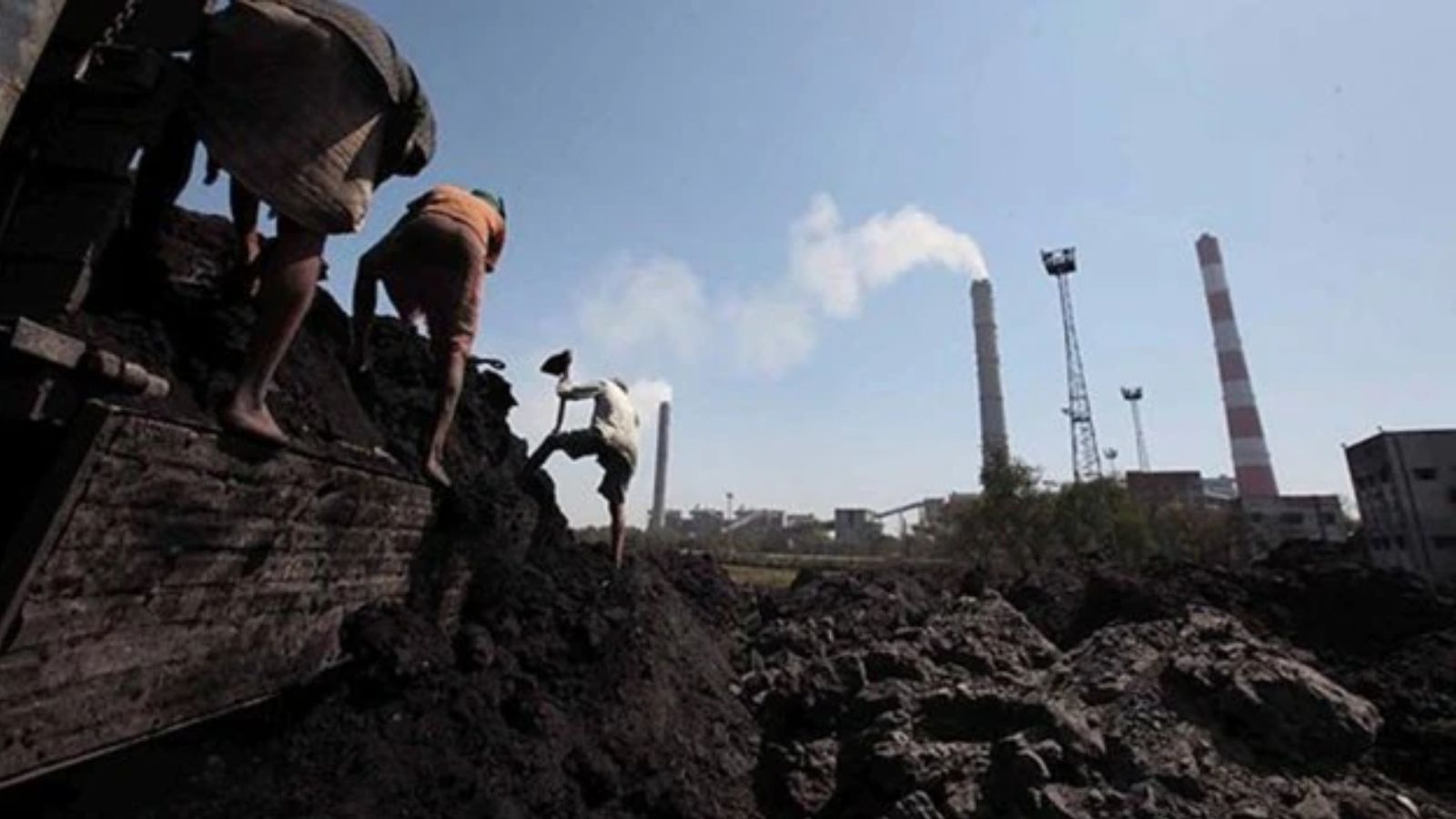
Finland‑based nonprofit CREA analysed 37 coal‑fired units within 300 km of Delhi‑NCR and found that 20 exceed safe sulfur dioxide limits. Category‑C exemptions are now responsible for the bulk of unchecked emissions drifting into the capital’s air.
Key Takeaways
- 20 of 37 coal units within 300 km of Delhi exceed Ministry‑set SO₂ limits.
- Category C plants, exempt from FGD installation, account for 81% of total SO₂ emissions.
- Only two plants – Dadri and Mahatma Gandhi – with FGD show markedly lower emissions.
The Finland‑based nonprofit Centre for Research on Energy and Clean Air (CREA) released a comprehensive study on July 14, 2026, examining 37 coal‑fired power units located within a 300 km radius of Delhi‑NCR. The analysis reveals that 20 of these plants emit sulfur dioxide (SO₂) well above the safe thresholds set by the Ministry of Environment, Forest and Climate Change.
Regulatory Background
In 2015, India mandated a two‑year window for all coal power stations to install flue‑gas desulphurisation (FGD) technology. The deadline was postponed four times, and a 2021 notification split plants into three categories—A, B, and C—based on proximity to major cities or polluted zones. Category‑A plants (within 10 km of Delhi‑NCR or other million‑plus cities) must comply by 2027, Category‑B plants are assessed case‑by‑case, while Category‑C plants—comprising roughly 78 % of India’s coal fleet—were granted a full exemption from any FGD requirement.
Core Findings
CREA estimates that the 37 units collectively release about 154 kilotonnes of SO₂ annually. Of this, 90 % originates from plants lacking FGD, and a striking 81 % comes specifically from Category‑C facilities. The largest polluters—including Rajpura, Talwandi Sabo, Rajiv Gandhi, Guru Hargobind, Harduaganj and Ropar—operate without any desulphurisation system.
Illustrative Cases
Two plants that have installed FGD—Dadri and Mahatma Gandhi thermal power stations—record the lowest SO₂ outputs despite generating 3,400–4,000 GWh annually. Their units emit roughly 1,775 tonnes and 2,154 tonnes of SO₂ respectively, a fraction of the emissions from similarly sized, uncontrolled plants.
At the opposite end of the spectrum, Rajpura’s two units top the list with estimated annual emissions of 20,851 tonnes and 22,690 tonnes of SO₂ each, surpassing the combined output of several other uncontrolled stations.
Global Context and Implications
After India, the world’s largest SO₂ emitters are South Africa, Turkey, Saudi Arabia and China. Despite possessing only about one‑fifth of China’s coal capacity, India’s SO₂ emissions are nearly three times higher, largely because merely 12 % of Indian plants have FGD installed compared with much higher adoption rates in China and the United States.
The study warns that without mandatory FGD for Category‑C plants, Delhi’s air quality will continue to deteriorate, undermining national and international pollution targets. Experts urge policymakers to revisit exemption criteria and enforce uniform FGD installation across all coal‑fired units.