The Delhi government has launched the ‘Naya Safar Yojana’, offering 100% motor vehicle tax exemption for new vehicles and 50% for used ones, alongside registration fee waivers. The scheme aims to accelerate the shift to BS‑VI and electric trucks, thereby improving the city’s air quality.
Key Takeaways (मुख्य बिंदु)
- 100% motor vehicle tax exemption for eligible new vehicles for 10 years
- 50% tax concession for eligible used BS‑IV trucks and buses
- Special provisions for electric light‑goods vehicles and BS‑VI compliant buses
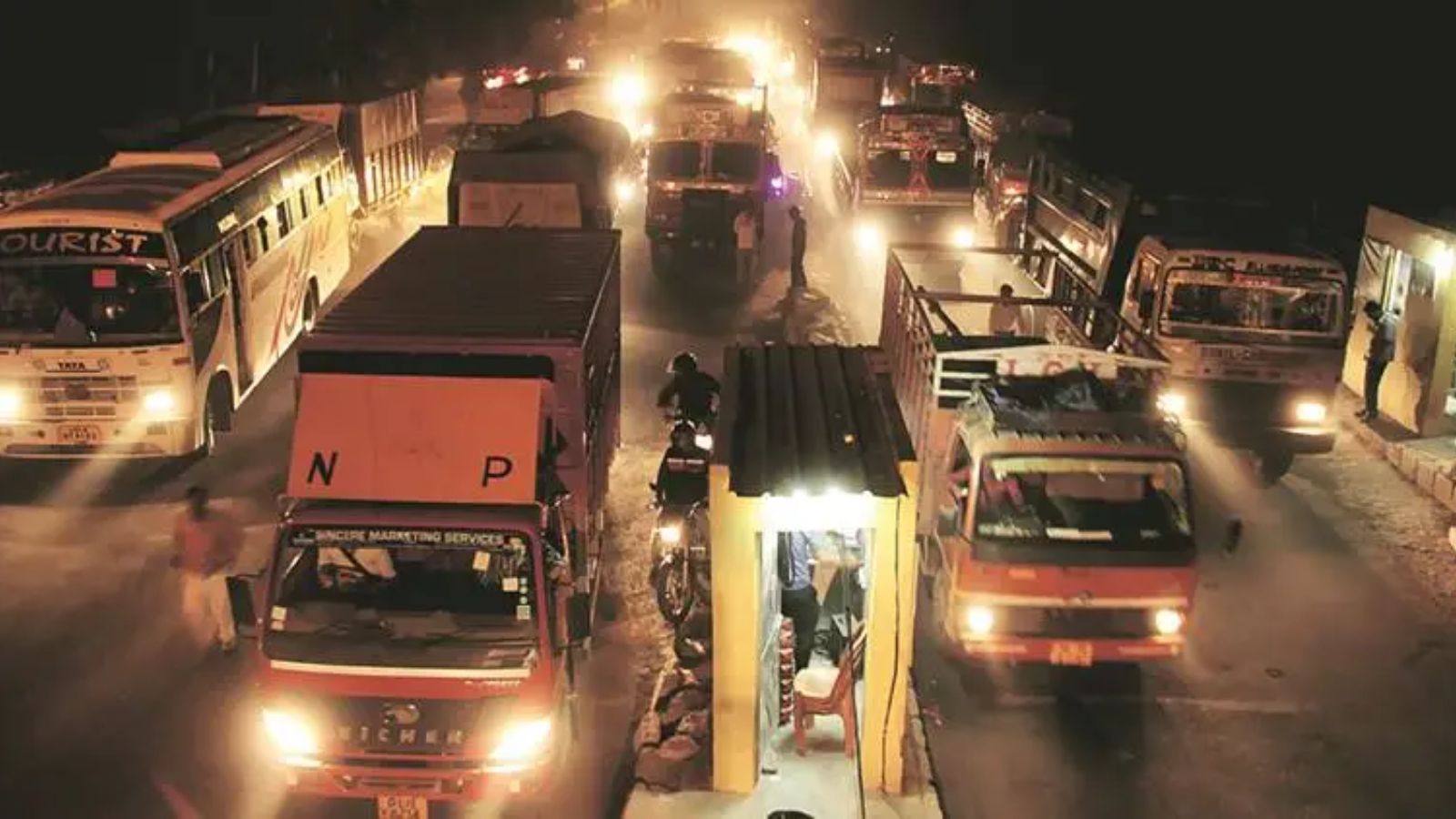
Delhi has rolled out a comprehensive incentive package under the ‘Naya Safar Yojana’ to curb vehicular emissions and promote cleaner transport. The program targets owners of BS‑IV trucks and buses—vehicles that were mandated nationwide from April 2017 to March 2020—and encourages voluntary fleet modernization toward BS‑VI standards and electric trucks.
Core Objectives of the Scheme
The transition from BS‑IV to BS‑VI, which became mandatory across India on 1 April 2020, is essential for reducing the city’s notorious air pollution. By offering substantial financial relief, the Delhi government hopes to accelerate the scrapping of older commercial vehicles and replace them with low‑emission or zero‑emission alternatives.
Financial Incentives on Offer
Eligible new vehicles will receive a full (100%) motor vehicle tax concession for ten years, while eligible used vehicles will enjoy a 50% concession. Additional benefits include discounts on registration fees and waivers for pending road‑tax and fitness penalties. Combined with central‑government incentives such as interest subvention, fuel vouchers, and one‑time EV benefits, the scheme is projected to benefit roughly 207,000 private truck and bus owners across the NCR.
Funding and Implementation Framework
The total outlay for the scheme is estimated at ₹9,585 crore, with the Centre contributing ₹5,041 crore through the National Capital Region Planning Board (NCRPB). A fully digital ‘Naya Safar Portal’ will handle real‑time eligibility verification, automated benefit disbursal, and end‑to‑end monitoring. The portal will remain open for eligible beneficiaries for a two‑year window.
Special Provisions and Future Outlook
Under the scheme, light‑goods vehicles purchased must be electric, while buses must be either BS‑VI compliant, CNG, or electric. The Delhi Transport Department will issue the necessary notifications and craft a Standard Operating Procedure (SOP) in coordination with the Ministry of Road Transport and Highways to ensure smooth implementation.
While the financial incentives are robust, the real test lies in the efficiency of the scrappage process and the uptake of electric commercial vehicles. Continuous monitoring and possible policy tweaks will be crucial to achieve the desired air‑quality improvements.