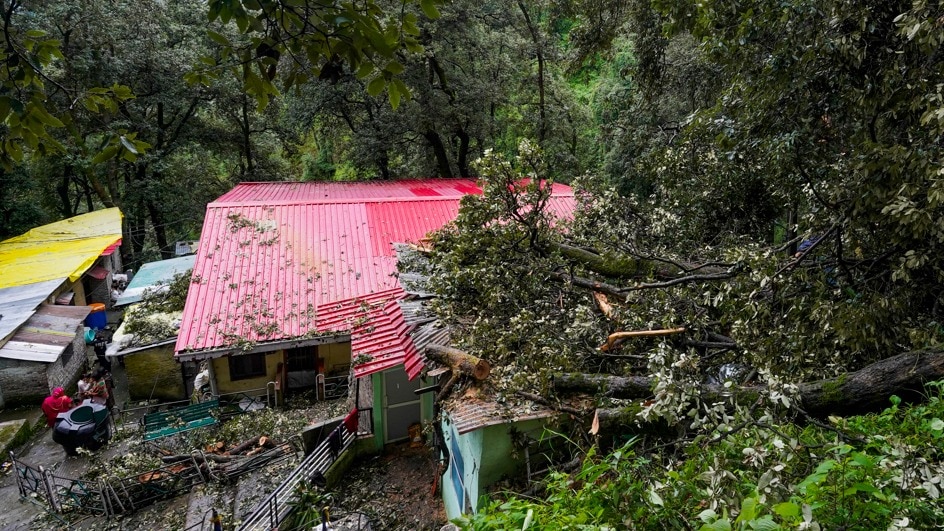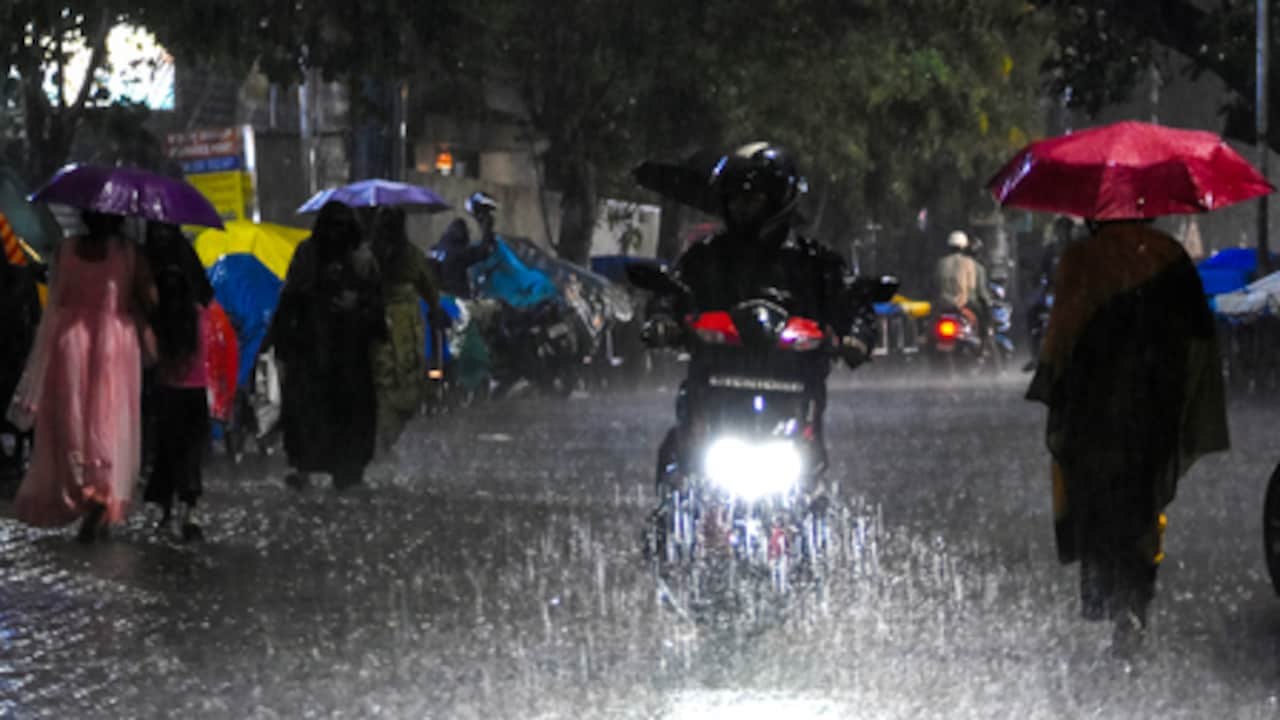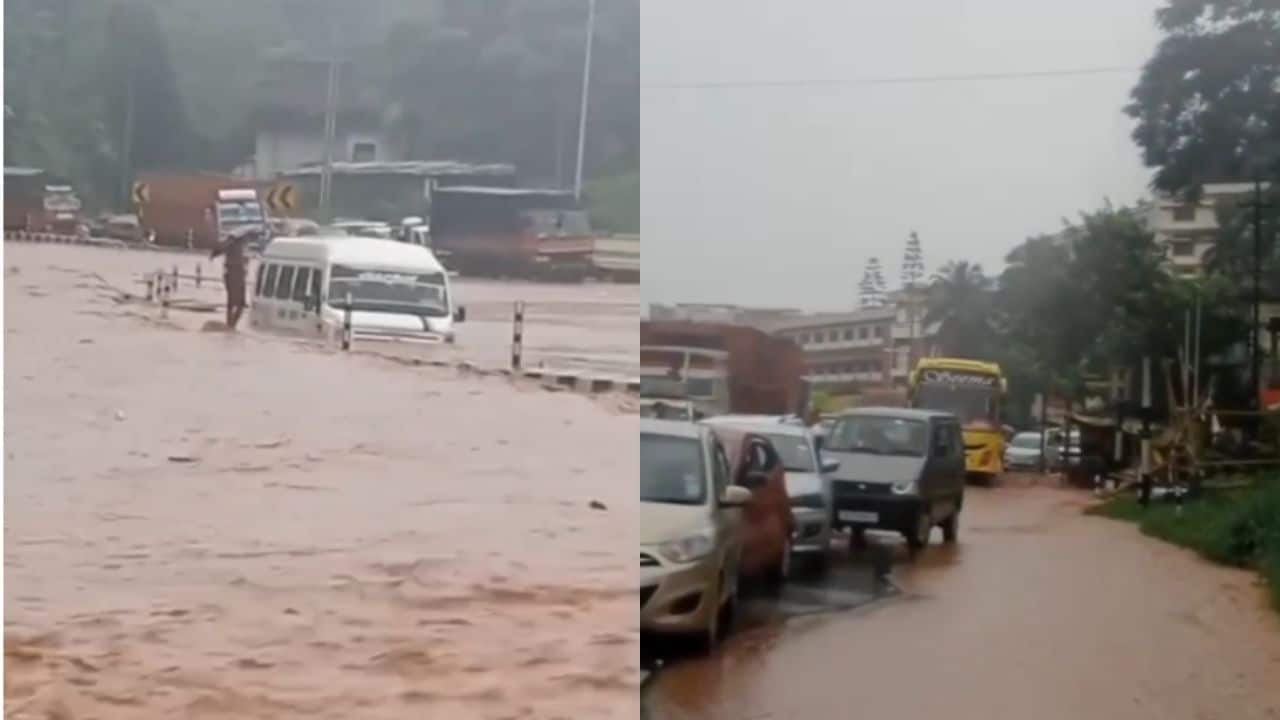
Sudden rise in water levels submerged a major highway lane in Guwahati, disrupting public transport. Thousands were stranded in traffic snarls, complicating rescue and relief operations.
मुख्य बिंदु (Key Takeaways)
- Heavy rain caused a major highway lane in Guwahati to be completely underwater.
- Traffic diversion led to severe congestion across the city.
- Emergency services responded rapidly, but long‑term flood‑resilient infrastructure is needed.
Guwahati, Assam – On July 13, an intense monsoon downpour pushed water levels to unprecedented heights, submerging one carriageway of National Highway 27. The sudden inundation forced authorities to divert traffic onto alternative routes, leaving commuters, public buses, auto‑rickshaws and taxis stranded for hours.
Monsoon Context and Historical Flood Patterns
Over the past decade, Guwahati has witnessed an upward trend in flood frequency, driven by climate change and unplanned urban expansion. According to the Indian Meteorological Department, this year's rainfall exceeded the five‑year average by roughly 15%, intensifying the strain on already overburdened drainage systems.
Government Response on the Ground
State officials promptly mobilised the National Disaster Response Force (NDRF) and deployed additional police units for traffic management. Aerial rescue operations, including helicopter evacuations, were launched for residents trapped in low‑lying neighbourhoods. Nevertheless, the traffic diversion disrupted key commercial districts, hampering supply chains and inflating economic losses.
Challenges Ahead and Strategic Recommendations
Experts argue that Guwahati must upgrade its flood‑mitigation infrastructure: modernising drainage networks, constructing elevated roadways designed for high water levels, and integrating climate‑responsive urban planning. Moreover, a robust digital early‑warning system is essential to guide citizens toward safe evacuation routes in real time.
In summary, the recent flood underscores the acute vulnerability of Guwahati’s urban fabric to extreme weather events. Without sustained monitoring, investment, and policy reform, similar crises are likely to recur, demanding a coordinated, long‑term resilience strategy.