A wave of humid heat is expected to sweep across India this week, with several regions likely to record feels‑like temperatures close to 50°C. Authorities have issued health advisories to mitigate the risks associated with extreme heat.
Key Takeaways
- Humid heat will intensify across most parts of India this week
- Feels‑like temperatures could approach 50°C in several regions
- Public‑health agencies issue hydration and heat‑illness prevention guidelines
Weather forecasts indicate that a combination of high humidity and soaring temperatures will dominate India’s climate for the coming seven days. While actual temperatures are projected to hover between 42°C‑45°C, the heat index—accounting for humidity—could push perceived temperatures to 48°C‑50°C, especially in the North‑East, central states, and parts of the western coast.
Learning from Recent Heatwaves
The sub‑continent has endured two severe heat‑wave seasons in the past two years, notably the 2022 ‘extreme heat episode’ and the 2023 ‘high‑humidity surge’. Climate scientists attribute the rising frequency and intensity of these events to accelerating climate change, which amplifies both temperature and moisture levels beyond historic norms.
Public‑Health Implications
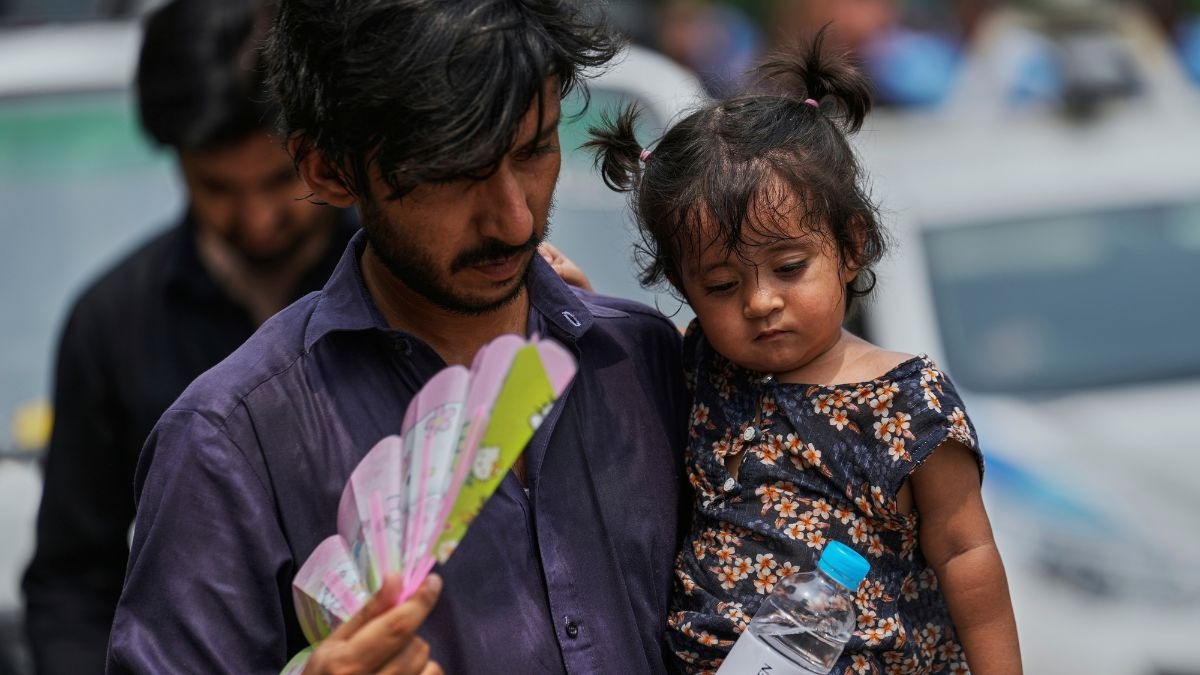
When the heat index nears 50°C, the human body struggles to dissipate heat, raising the risk of hyperthermia, dehydration, and cardiovascular distress. Health ministries have warned vulnerable groups—elderly, children, and those with chronic illnesses—to stay in cooled environments, maintain adequate fluid intake, and avoid strenuous outdoor activity. Several state governments have declared ‘heat‑wave alerts’ and are setting up temporary cooling centers in public spaces.
Agricultural and Energy Concerns
Beyond health, humid heat threatens crop yields. Elevated temperatures during critical growth stages can impair pollination and grain filling, potentially reducing output. Simultaneously, electricity demand spikes as air‑conditioners and fans run continuously, straining the power grid and increasing the likelihood of load‑shedding in already vulnerable regions.
Administrative Response and Future Preparedness
The India Meteorological Department has issued a ‘High Temperature Advisory’ for the next week and urged state agencies to disseminate real‑time warnings via media and mobile alerts. Experts stress the need for robust water‑management strategies, expansion of urban green cover, and long‑term climate‑resilience policies to curb the impact of recurring heat events. Without decisive action, the nation risks a feedback loop of worsening heat stress and socio‑economic disruption.