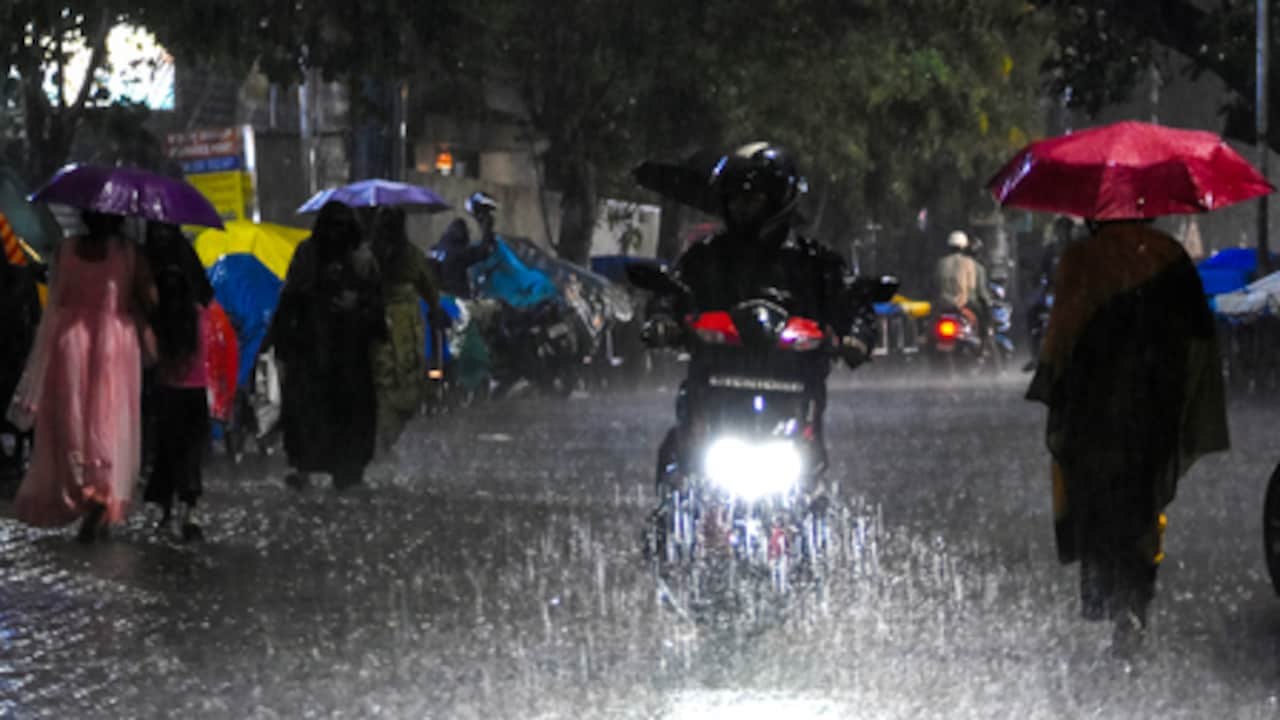
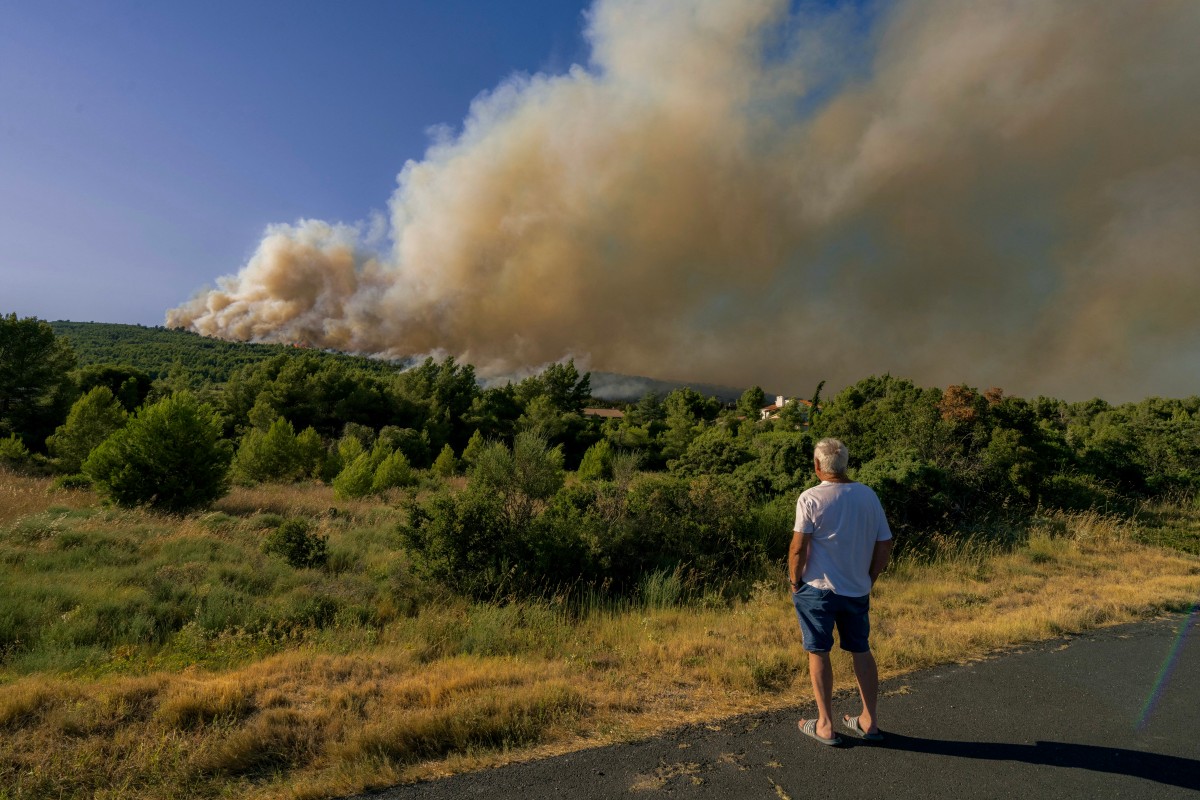
More than 63% of mandals across 32 rural districts in Telangana have recorded deficient to large deficient rainfall, leaving reservoirs low and jeopardizing the Kharif harvest. Forecasts predict continued scant rainfall through the rest of July, deepening farmer concerns.
Key Takeaways (मुख्य बिंदु)
- 63% of Telangana mandals face severe rainfall deficit
- All major irrigation reservoirs are at critically low levels
- Agriculture department preparing alternative seed distribution
Even though the area sown with Kharif crops by early July exceeds that of the same period last year, the season’s outlook has turned bleak. Over 382 of the state’s 605 mandals—spanning 32 rural districts—are experiencing monsoon failure, raising immediate alarms for crop performance and overall agricultural productivity.
Rainfall Deficit Landscape
According to the Telangana Development Planning Society, 68 mandals recorded ‘large deficient’ rainfall (60‑99% below normal) while another 327 fell under the ‘deficient’ bracket (20‑59% below normal). Only 45 mandals reported excess rainfall, chiefly in Rangareddy, Nalgonda and Nagarkurnool. The average actual rainfall is 25% below normal, a stark deviation that has left reservoir levels dangerously low.
Irrigation Reservoirs and Water Levels
All major, medium and minor irrigation reservoirs are effectively empty, as catchment areas have not received sufficient rain. This not only threatens the current Kharif harvest but also endangers water availability for the upcoming Rabi season. Comparatively, June’s groundwater table sits at 9.46 mbgl, marginally better than last year’s 9.47 mbgl, yet still indicative of stress.
Crop Mix and Potential Losses
Farmers have so far sowed cotton on 39.44 lakh acres, transplanted paddy on 4.22 lakh acres, and planted soybean, red gram, maize, green gram and black gram across the remaining acreage. Should July’s rainfall remain insufficient, yields across these staple crops could fall sharply, tightening farmer incomes and amplifying food‑security concerns for the state.
Government Response and Contingency Planning
The Agriculture Department is mobilising alternative‑crop seed stocks to mitigate the impact of a prolonged dry spell. Experts argue that the immediate priority must be water‑efficient farming practices, accelerated groundwater recharge, and the promotion of drought‑resistant varieties to safeguard the agricultural backbone of Telangana.