A new Centre for Wildlife Studies (CWS) research across Karnataka and Kerala identifies rainfall as the strongest environmental factor influencing elephant occurrences. Changing human settlements and forest cover further complicate these patterns, shaping future conservation priorities.
Key Takeaways (मुख्य बिंदु)
- Rainfall is the primary environmental driver of elephant sightings
- Expansion of human settlements and loss of dense vegetation alter habitat patterns
- Local community knowledge is crucial for mitigating future human‑elephant conflicts
The Southern Western Ghats, spanning Karnataka and Kerala, have long been a hotspot for Asian elephant movements. In a comprehensive study, the Centre for Wildlife Studies (CWS) combined ecological modelling with on‑the‑ground interviews of 507 residents from villages surrounding Bandipur and Nagarahole National Parks as well as the Palakkad and Mannarkkad forest divisions.
Research Methodology and Scope
By integrating satellite‑derived land‑cover data with local observations, the researchers built a nuanced model that predicts where humans and elephants are most likely to overlap now and by 2030. The study, titled “Integrating Ecological Modelling and Local Knowledge to Understand Elephant Occurrence and Human‑Elephant Interactions in the Southern Western Ghats,” offers a rare blend of quantitative analysis and indigenous insight.
Rainfall as the Dominant Factor
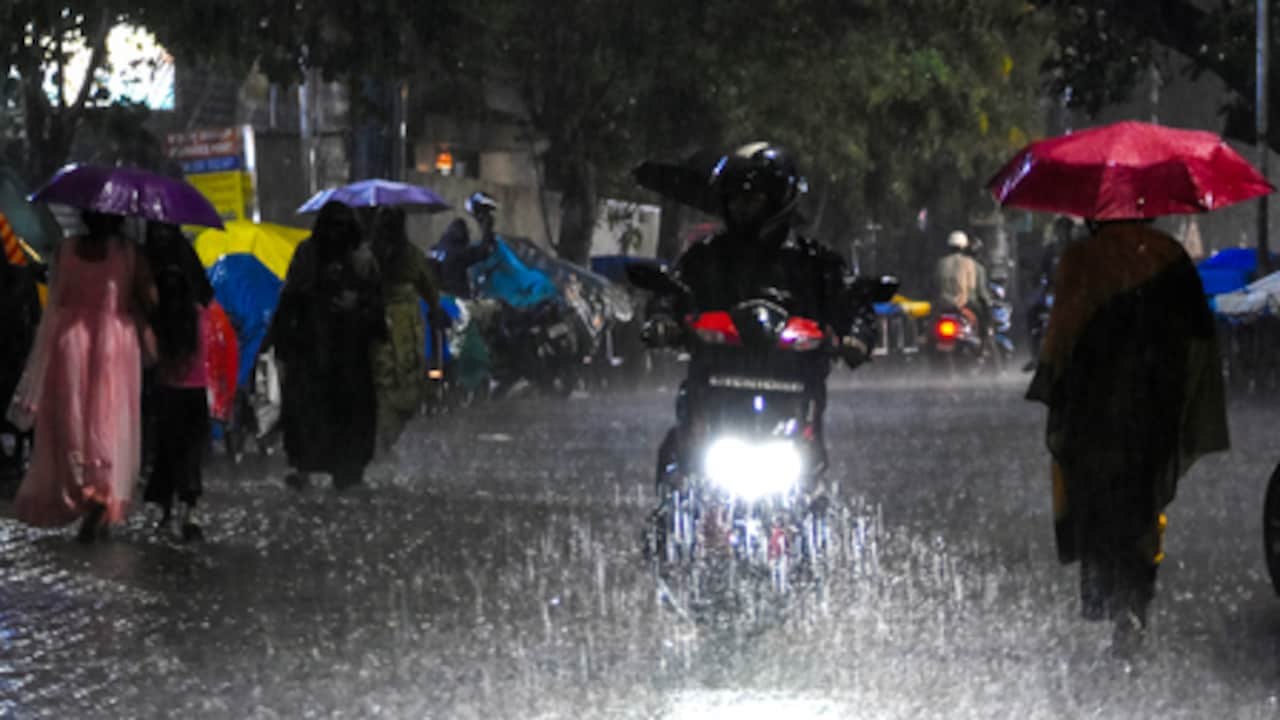
Across both states, rainfall emerged as the single strongest environmental variable linked to reported elephant occurrences. More rain translates into richer vegetation, abundant water sources, and higher availability of forage – the very conditions that attract both elephants and the human communities that depend on them.
Human Land‑Use Dynamics
Human land use also proved decisive, albeit in surprising ways. In Karnataka, areas of human settlement showed a positive correlation with elephant sightings, suggesting that elephants continue to roam near populated landscapes up to a certain pressure threshold. Beyond that tipping point, they are likely to retreat into more remote habitats.
Shifts in Land‑Cover (2012‑2022)
Between 2012 and 2022, land‑cover mapping recorded a 31 % rise in human‑settlement area in Karnataka and a 16 % increase in Kerala, while dense vegetation saw a modest decline. Projecting these trends to 2030, the model predicts a more fragmented elephant distribution, especially in Kerala where proximity to protected areas becomes a critical determinant of elephant presence.
Value of Community Knowledge
Perhaps the most striking insight is the depth of local understanding. Residents routinely notice subtle shifts in elephant behaviour, providing early warnings that formal surveys might miss. By fusing this grassroots intelligence with scientific models, the study paints a richer picture of elephant movement and the shared resource dependencies of people and wildlife.
Implications for the Future
As landscapes continue to evolve, the challenge extends beyond forecasting elephant routes; it demands proactive planning to ensure that humans and elephants can coexist safely for generations. The findings underscore the necessity of integrating climate‑driven variables, land‑use policies, and community participation into a cohesive conservation strategy.