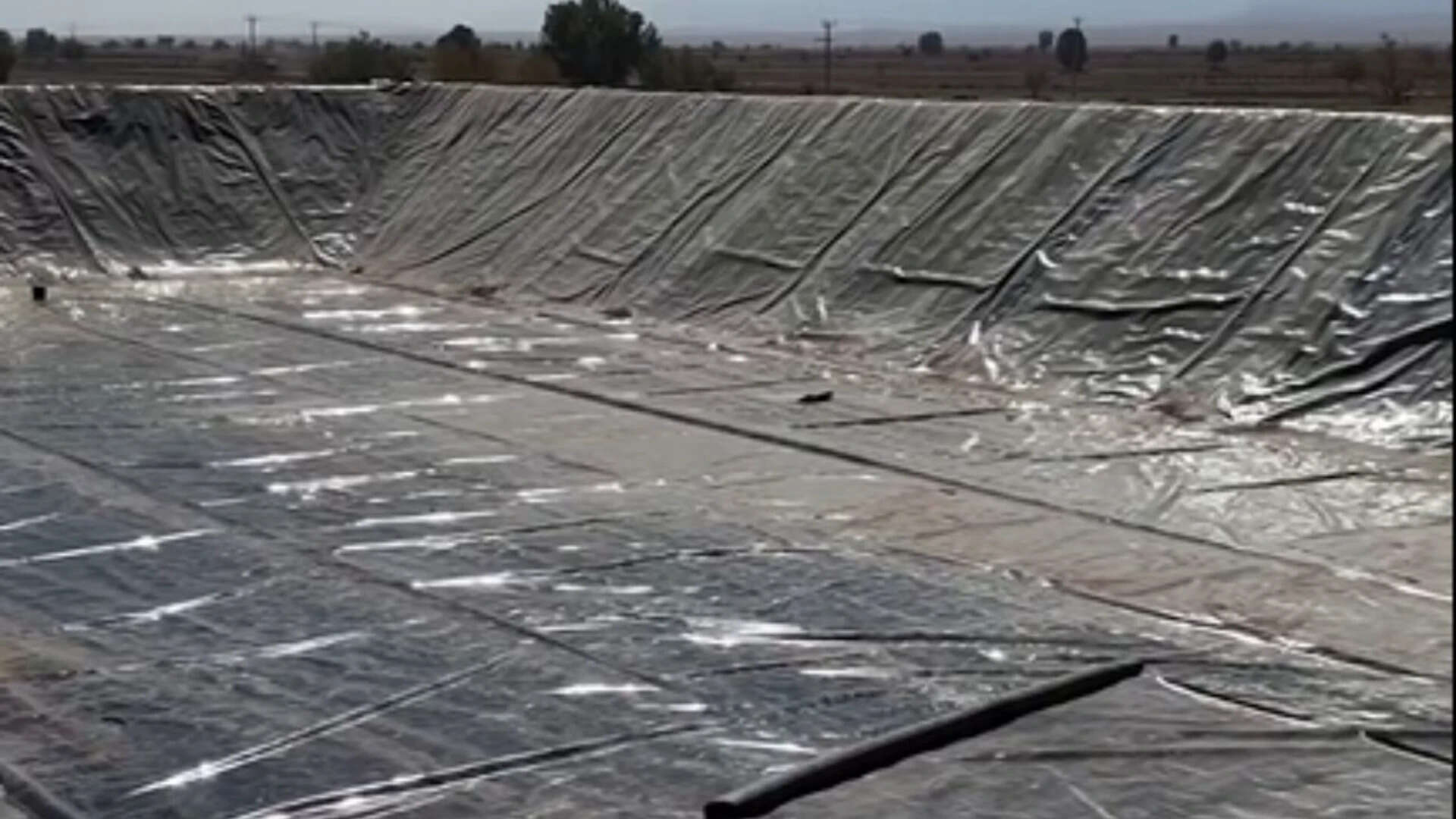
Rajasthan’s government has constructed a 28‑km long, plastic‑lined artificial lake in the Thar Desert, poised to provide reliable water to about five million residents of Jaisalmer and Barmer. The project is slated for an official launch in July 2026.
Key Takeaways
- 28‑km artificial lake with plastic lining to curb evaporation
- Secures water for ~5 million people in Jaisalmer & Barmer
- Ensures uninterrupted supply during canal repairs
In an unprecedented move, the Rajasthan government has engineered a 28‑kilometre‑long, 4‑metre‑deep artificial reservoir deep within the arid Thar Desert. The lake is sealed with a high‑density polyethylene (HDPE) membrane, dramatically limiting water loss through evaporation and preserving the stored volume for years.
Purpose and Strategic Importance
The reservoir will serve the twin districts of Jaisalmer and Barmer, providing a lifeline to roughly five million inhabitants. Seasonal droughts and periodic canal maintenance have historically disrupted water delivery; this lake guarantees a steady flow even when canals are offline, reinforcing the region’s water‑security framework.
Historical Context and Technical Hurdles
Previous attempts to build large‑scale water bodies in the Thar faced steep challenges—intense heat, high evapotranspiration rates, and porous desert soils. Engineers overcame these by employing a state‑of‑the‑art HDPE liner that retains up to 99% of stored water. Solar panels line the perimeter, powering ancillary pumps and reducing the project’s carbon footprint.
Economic and Social Implications
Reliable water will boost rain‑fed agriculture, livestock rearing, and small‑scale industries. Preliminary studies suggest a 30% rise in water availability could lift crop yields by up to 15% in adjacent flood‑irrigated zones. Moreover, the lake is expected to generate employment in water‑management, maintenance, and ancillary services, fostering rural prosperity.
Launch Timeline and Future Outlook
The inauguration is scheduled for July 2026, with state dignitaries, hydrology experts, and community leaders slated to attend. The government envisions replicating this model across other water‑scarce districts of Rajasthan, establishing a network of resilient reservoirs that collectively safeguard the state’s long‑term water future.