The Brihanmumbai Municipal Corporation (BMC) has signed a five‑year lease for 15 acres of the former Mulund landfill to support the Dharavi Redevelopment Project, projecting revenues of roughly ₹103 crore while also cleaning up the site.
Key Takeaways
- BMC leases 15 acres of Mulund landfill to the SPV of the Dharavi project for five years.
- Projected lease revenue of ₹103.47 crore, netting about ₹83 crore after waste‑removal costs.
- Navbharat Mega Developers (joint Adani‑Maharashtra venture) will set up a ready‑mix concrete plant and casting yard.
The Brihanmumbai Municipal Corporation, after handing over 124 acres of the Deonar dumping ground for housing under the Dharavi Redevelopment Project (DRP), is now moving to lease an additional 15‑acre parcel at the former Mulund landfill to the project’s special‑purpose vehicle (SPV). The proposal, under internal discussion for months, is slated for approval by BMC’s Improvement Committee later this month.
Strategic Context
DRP is one of India’s most ambitious slum‑rehabilitation initiatives, driven by Navbharat Mega Developers Private Limited (NMDPL)—a joint venture of the Adani Group and the Maharashtra government. While Deonar’s parcel is earmarked for residential units for displaced families, the Mulund site will house a ready‑mix concrete (RMC) plant and a casting yard, streamlining construction logistics and reducing material transport costs.
Financial Structure and Expected Returns
The lease rate has been fixed at ₹252 per square metre. NMDPL will pay an upfront sum of ₹9.17 crore covering the first six months, followed by monthly installments of ₹1.52 crore, with a 6 % hike every six months. Over the five‑year term, BMC anticipates gross earnings of ₹103.47 crore. However, the SPV is also tasked with clearing the remaining waste mound—a cost estimated at ₹20 crore, which will be offset against the lease payments, bringing net revenue to roughly ₹83 crore.
Environmental Remediation and Legacy Issues
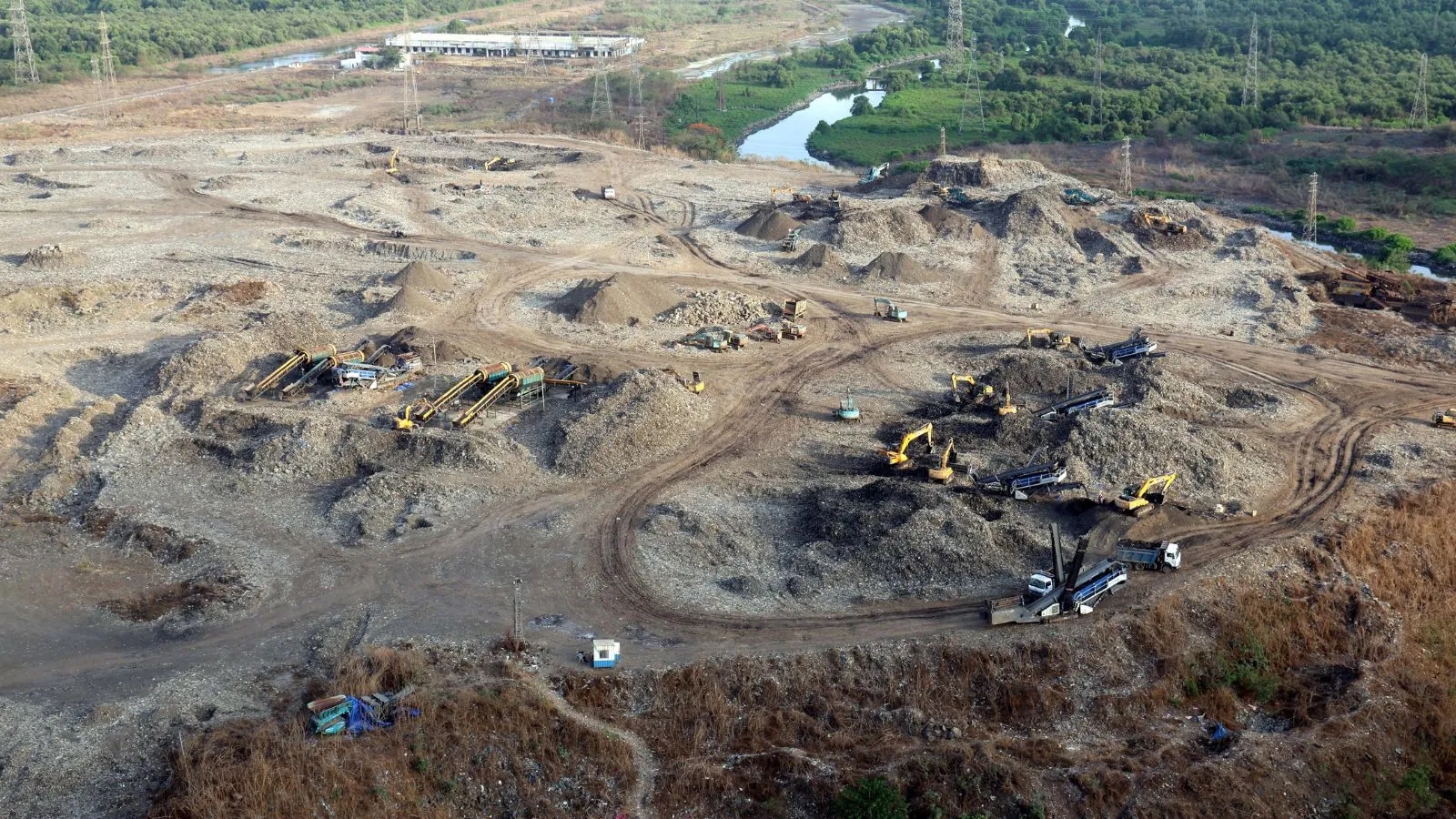
Mulund landfill operated from 1968 until 2018, when the Bombay High Court ordered its scientific closure and remediation. Since then, BMC has pursued a biomining strategy, excavating old waste, biologically treating it, and reclaiming usable material. To date, about 80 lakh metric tonnes of legacy waste have been processed, with roughly 50 lakh tonnes already removed. The pandemic, natural calamities, and global supply‑chain disruptions delayed the original six‑year timeline, but by February 2026 the effort was 90 % complete, with the remaining phase projected to extend over the next decade.
Implications for Urban Planning
The lease not only bolsters BMC’s fiscal health but also provides critical infrastructure for the Dharavi project, potentially accelerating the construction schedule for thousands of new homes. Moreover, the mandated waste‑removal component aligns with broader environmental goals, turning a former landfill into a cleaner, more productive urban asset. Experts suggest that replicating this public‑private lease‑remediation model could become a template for other Indian megacities grappling with legacy dumps and housing shortages.