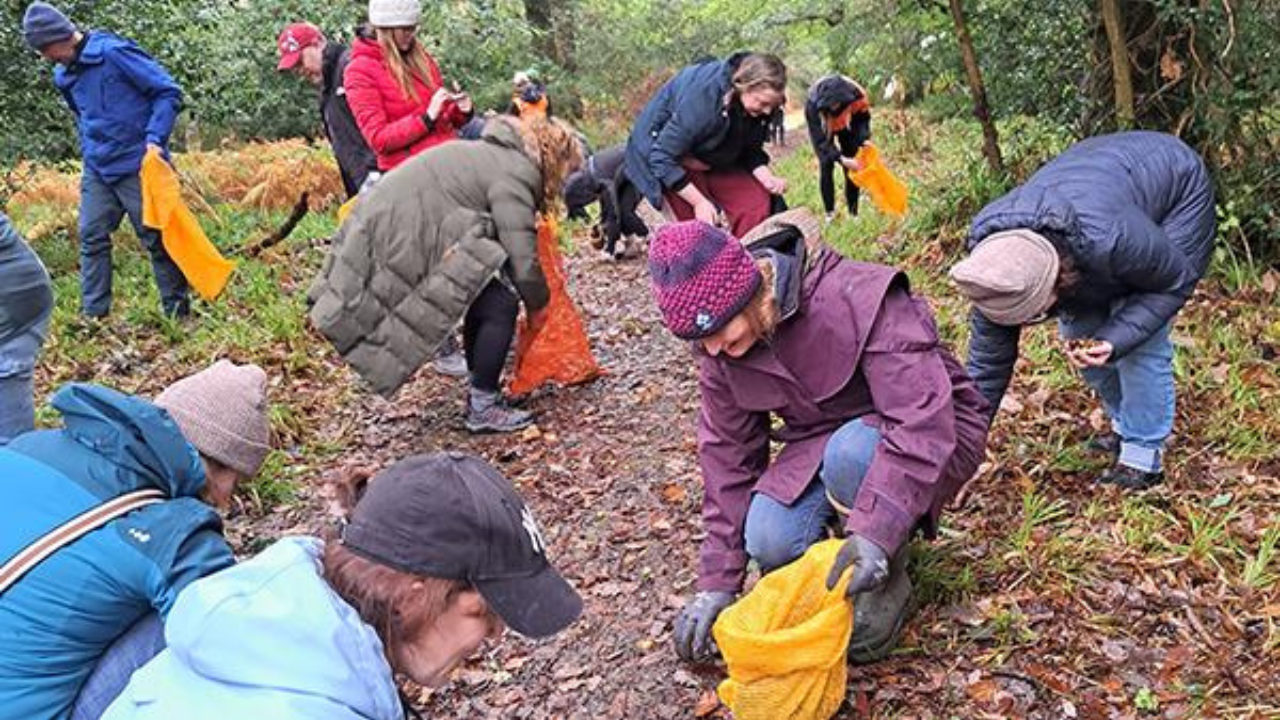
A massive conservation effort in Scotland has seen 100 volunteers collect 11 million seeds to revive the nation's disappearing rainforest ecosystems.
Key Takeaways
- A dedicated group of 100 volunteers led a massive seed collection drive.
- A staggering 11 million seeds were gathered to support reforestation.
- The mission aims to restore Scotland's unique and disappearing rainforest habitats.
- This initiative plays a vital role in combating climate change and preserving biodiversity.
In a monumental stride toward ecological restoration, a group of 100 passionate volunteers has successfully gathered 11 million seeds to combat the rapid disappearance of Scotland's temperate rainforests. This grassroots movement represents one of the most significant community-led conservation efforts in recent years, aiming to breathe life back into ecosystems that have been struggling for decades.
The Crisis of Scotland's Temperate Rainforests
While tropical rainforests often dominate global conservation headlines, Scotland's temperate rainforests are equally vital to the local ecological balance. These ancient woodlands are home to rare mosses, lichens, and unique wildlife species. However, due to historical deforestation, intensive land management, and the escalating effects of climate change, these habitats have shrunk significantly, leaving the ecosystem vulnerable and fragmented.
A Strategic Approach to Reforestation
The collection of 11 million seeds is not merely a symbolic gesture but a strategic biological intervention. By gathering seeds from diverse and healthy local specimens, the volunteers are ensuring that the subsequent reforestation efforts utilize genetically appropriate and resilient plant life. These seeds will serve as the foundation for new growth, helping to rebuild the complex canopy structures required to sustain local biodiversity and stabilize soil health.
Global Implications and Climate Resilience
Beyond local benefits, this massive undertaking contributes to the broader fight against global warming. Restoring forests increases the landscape's capacity to act as a carbon sink, absorbing atmospheric CO2 and mitigating the impacts of a warming planet. The success of this volunteer-led initiative serves as a powerful blueprint for how community engagement can drive large-scale environmental recovery and foster a sense of stewardship for the natural world.