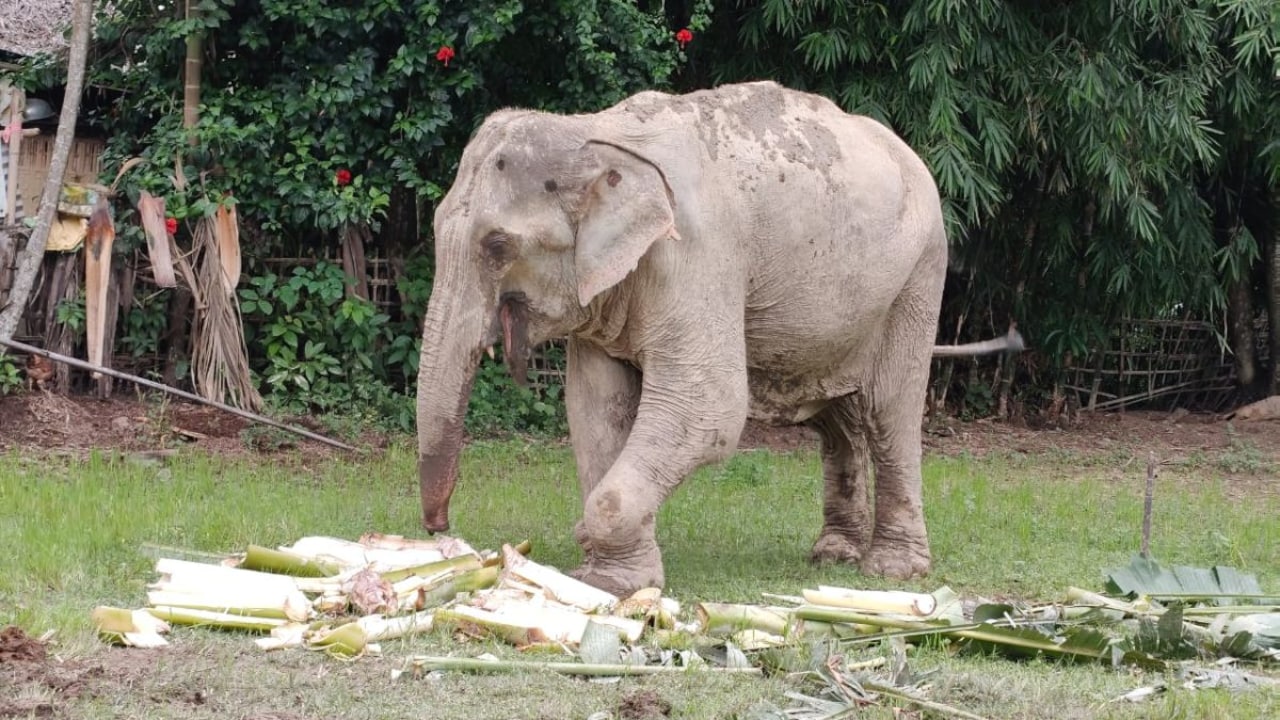
With 138 human lives lost in 2025, Assam implements new protocols to combat escalating human-elephant and monkey conflicts while focusing on habitat restoration.
Key Takeaways
- The year 2025 saw a record 138 human deaths due to human-elephant conflict in Assam.
- Electrocution and train accidents remain the primary causes of elephant mortality.
- New Standard Operating Procedures (SOPs) are being introduced to manage monkey and elephant incursions.
- The government's long-term strategy focuses on restoring natural elephant habitats.
The state of Assam is currently grappling with an unprecedented surge in human-wildlife conflict. According to recent alarming statistics, the year 2025 has recorded the highest annual human death toll in this category, with 138 lives lost due to encounters with elephants. This spike in mortality has forced the state administration to fast-track the implementation of new Standard Operating Procedures (SOPs) to mitigate risks to human life and property.
The Escalating Conflict and Mortality Trends
The conflict is not limited to elephants alone; a growing monkey menace in various districts is also disrupting local agriculture and community safety. However, the elephant crisis remains the most lethal. Beyond direct physical encounters, the data highlights a grim reality regarding elephant deaths: electrocution from unplanned power lines and train accidents are the leading causes of death among these majestic creatures. The fragmentation of forests has forced these animals into human-dominated landscapes in search of food.
Administrative Response and Strategic Shifts
To address these multi-faceted challenges, authorities are moving beyond reactive measures. The newly proposed SOPs aim to provide a structured response for forest officials and local communities when wildlife enters residential zones. This includes better early warning systems and rapid response teams to prevent both human and animal fatalities.
Long-term Vision: Habitat Restoration
Experts and government officials agree that a permanent solution lies in ecological restoration. The core of the state's long-term strategy is the restoration of elephant habitats. By ensuring that forest corridors remain intact and providing sufficient food and water sources within protected areas, the government hopes to reduce the frequency of elephants wandering into villages. Addressing the root cause—habitat loss—is seen as the only sustainable way to ensure peaceful coexistence between humans and wildlife.