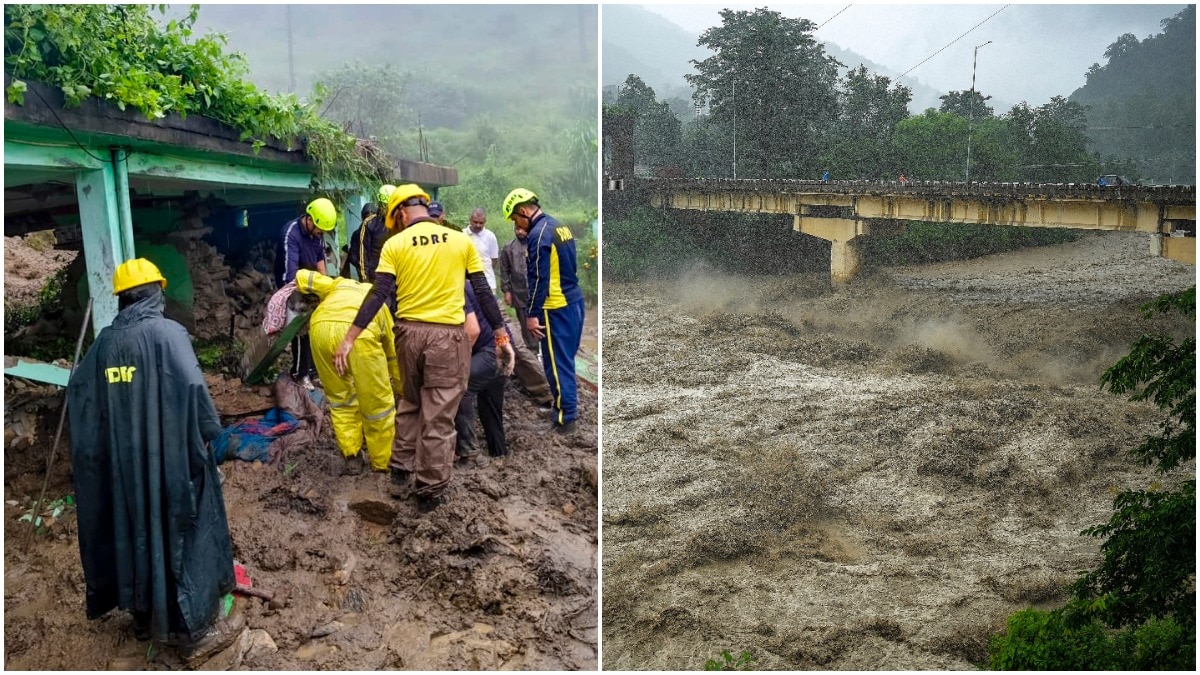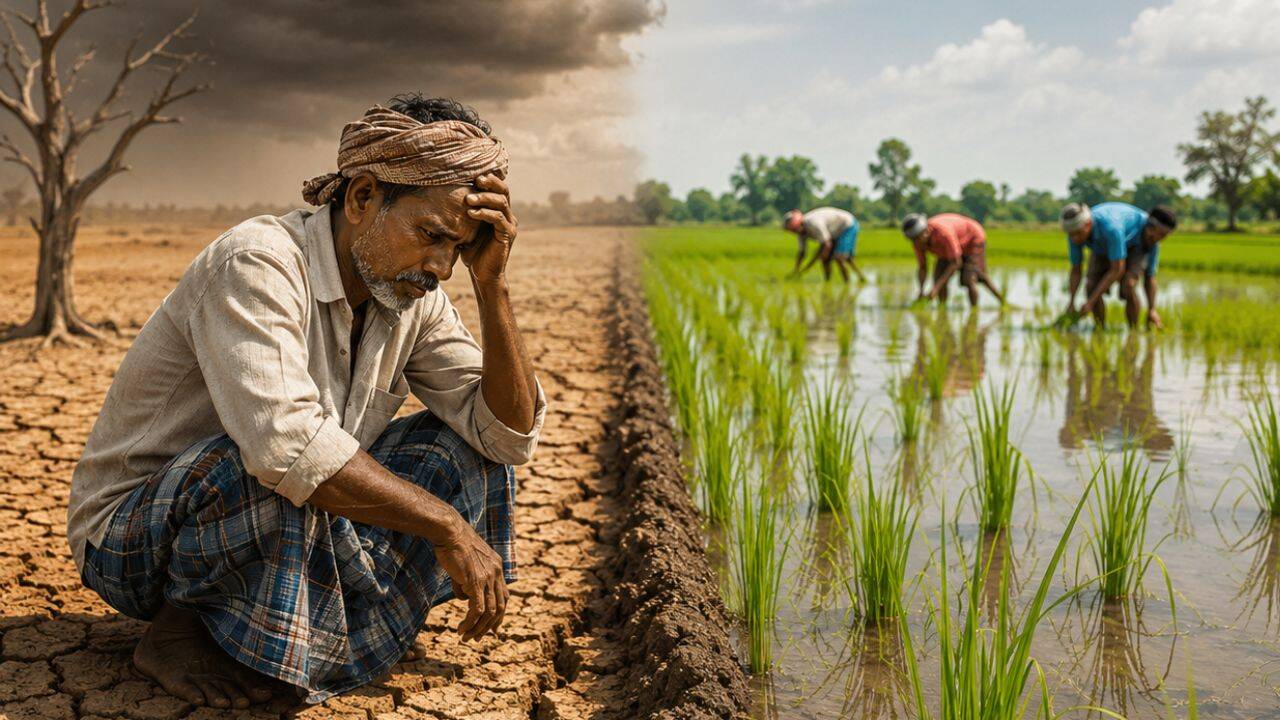
A late monsoon has stalled Telangana's kharif season, with only 45.4% of the usual area sown by mid‑July. Paddy cultivation has dropped to just 9.6% of its normal acreage, making it the biggest casualty.
Key Takeaways (मुख्य बिंदु)
- Delayed rains have cut sowing rates roughly in half
- Paddy planting stands at only 9.6% of normal
- 30% rainfall deficit recorded across 27 districts
Telangana’s kharif season is being held back by a belated monsoon. According to the Vanakalam‑2026 contingency plan prepared jointly by the state government, Professor Jayashankar Telangana Agricultural University (PJTAU) and ICAR‑CRIDA, only 60.2 lakh acres were sown by July 14 – just 45.4% of the normal 1.3 crore acres.
The state's staple, paddy, has suffered the most: merely 6.3 lakh acres have been cultivated, representing 9.6% of the expected 65.9 lakh acres. In contrast, cotton has reached 87.5% of its normal area, and soybean 80.5%, highlighting the uneven impact of the deficient rains.
Historical Background
Telangana’s agriculture has traditionally hinged on the southwest monsoon. In the 1970s, the state averaged about 800 mm of annual rainfall, supporting robust yields of rice, cotton, and pulses. However, the past three years have seen increasing variability linked to climate change and over‑exploitation of water resources, with 2025 already recording a notable shortfall. The current 30% deficit marks the widest gap from historic averages, underscoring a shifting climate paradigm.
Why This Matters (इसके मायने क्या हैं)
BozokMedia analysis shows that the reduced monsoon will not only trim crop output but also depress rural incomes across Telangana. With paddy—a major food staple—under‑produced, rice prices are likely to rise, placing additional pressure on low‑income households.
Moreover, the shortfall intensifies water stress, as rice cultivation demands high irrigation. This scenario challenges existing water‑conservation policies and pushes the state toward more sustainable, low‑water crops for future resilience.
"The erratic monsoon is nudging farmers toward alternative crops, but without a solid long‑term plan, this shift could increase vulnerability," says Dr. Ravi Narayanan, agricultural economist.
| Normal Rainfall | Actual Rainfall | Deficit % |
|---|---|---|
| 228 mm | 158.4 mm | 30% |
Frequently Asked Questions (अक्सर पूछे जाने वाले प्रश्न)
- Will the delay in paddy planting affect market prices? Yes, lower supply typically drives rice prices up, impacting consumers.
- What alternative crops should farmers consider? Experts recommend water‑efficient crops like cotton, soybean, and moong beans.