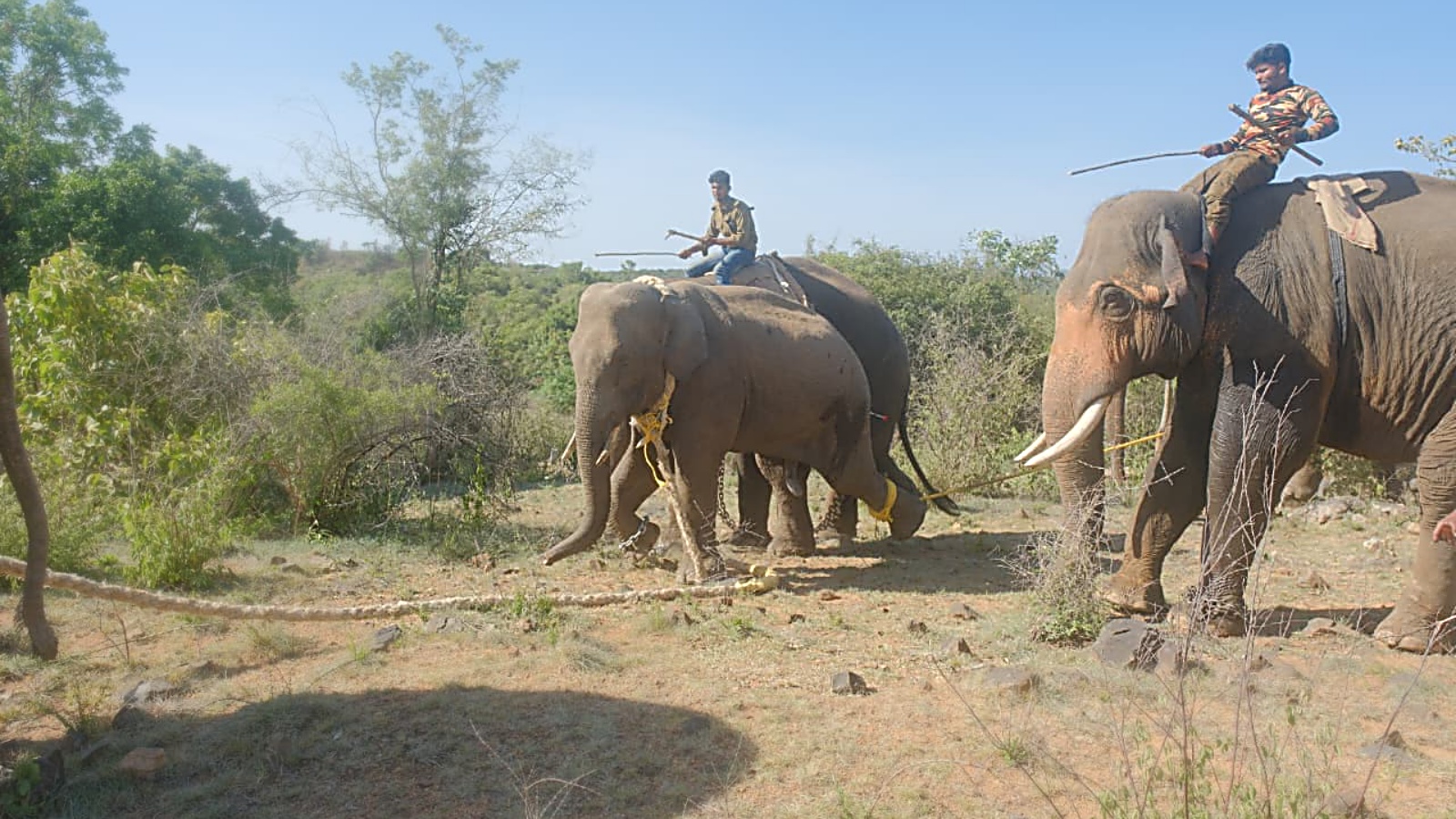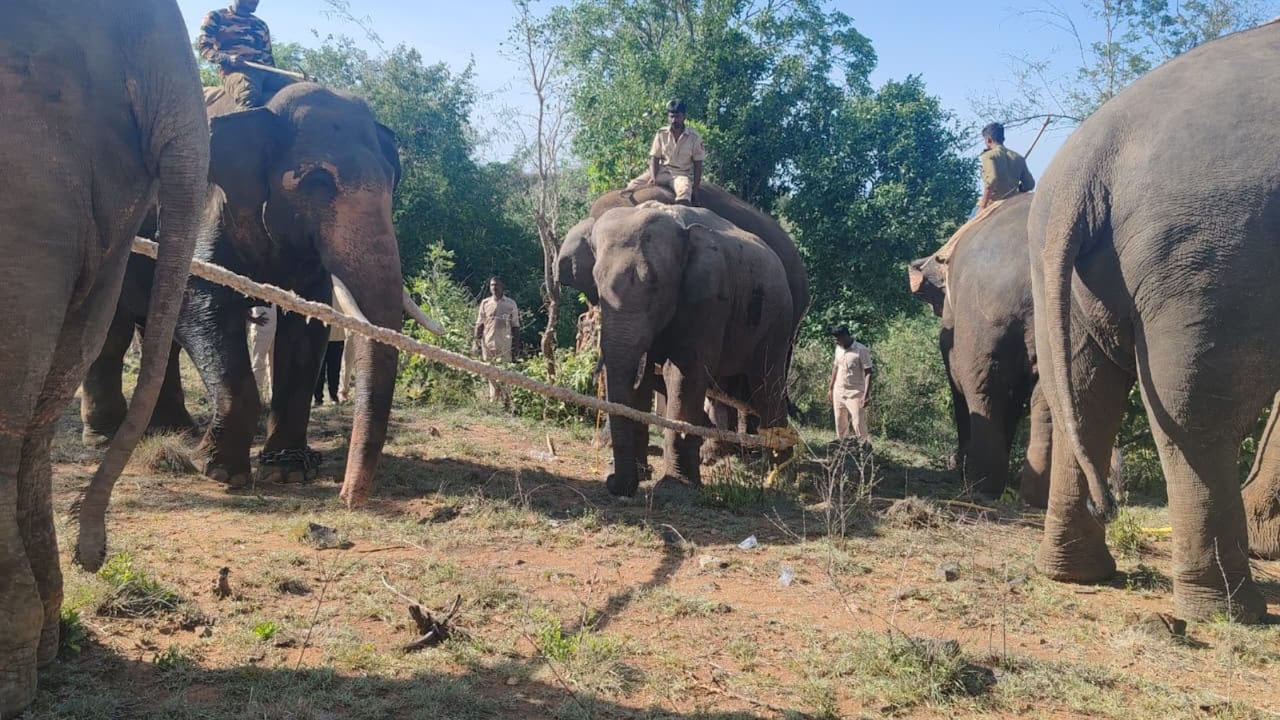
A 15‑18‑year‑old wild elephant that had been terrorising villages in Andhra Pradesh for weeks was finally captured by forest officials after more than a month of monitoring. The incident highlights ongoing human‑elephant conflict in the region.
Key Takeaways
- Wild elephant captured after a month‑long search in Andhra Pradesh
- Elephant caused extensive crop damage and panic in multiple villages
- Authorities intensified monitoring and plan to relocate the animal safely
In the southern districts of Andhra Pradesh, a lone wild elephant roamed into several rural settlements over the past two months, trampling agricultural fields and creating widespread fear among residents. Estimated to be 15‑18 years old, the animal was tracked by local police and forest officials for more than a month before being safely captured.
Historical Background
Human‑elephant conflict is a long‑standing issue across India. Rapid loss of forest cover, dwindling water sources, and expanding agricultural lands have forced elephants to stray from their natural habitats, often bringing them into close contact with human populations. Andhra Pradesh alone has recorded a surge in such incidents over the last decade, notably the 2016 Kolara episode where a single elephant destroyed over 2,000 m² of crops. These recurring clashes have prompted policymakers to rethink wildlife management and community‑based mitigation strategies.
Why This Matters (इसके मायने क्या हैं)
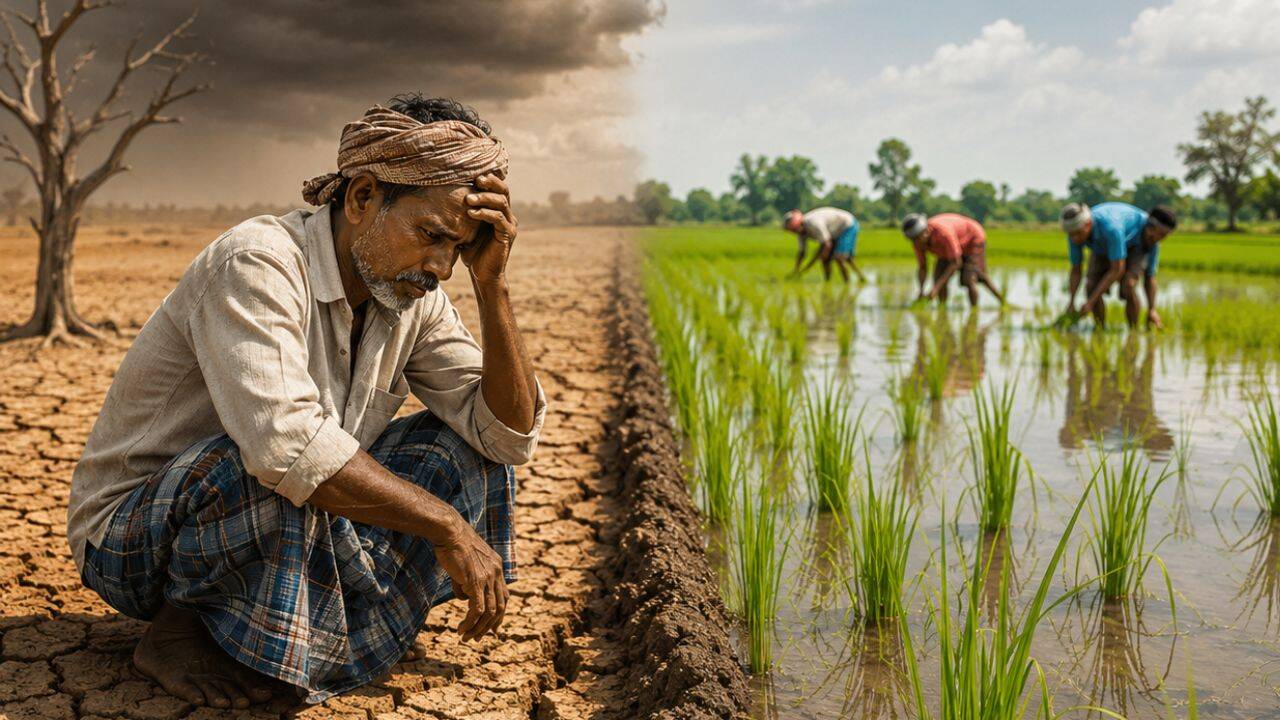
The immediate impact is felt by local farmers whose livelihoods depend on the very fields the elephant damaged. Crop loss translates into direct economic hardship and threatens regional food security. BozokMedia analysis shows that unchecked conflicts can exacerbate rural‑urban tensions, eroding trust between communities and forest authorities, and potentially prompting retaliatory actions.
On a broader scale, the successful capture demonstrates the effectiveness of modern tracking technologies combined with community cooperation. This case could serve as a blueprint for other states grappling with similar wildlife challenges, encouraging the adoption of proactive monitoring and rapid response mechanisms.
"Large herbivores like elephants entering human settlements are often a symptom of ecological imbalance, and the remedy lies in sustainable forest management and water resource conservation," says wildlife expert Dr. Anita Singh.
Frequently Asked Questions (अक्सर पूछे जाने वाले प्रश्न)
Q1: Will the elephant be released back into the wild?
A: Forest officials have confirmed that the animal will be relocated to its natural habitat, with additional safeguards put in place to prevent future incursions.
Q2: Are affected farmers eligible for compensation?
A: The state government has pledged financial relief for those who suffered crop damage and will announce a compensation package shortly.