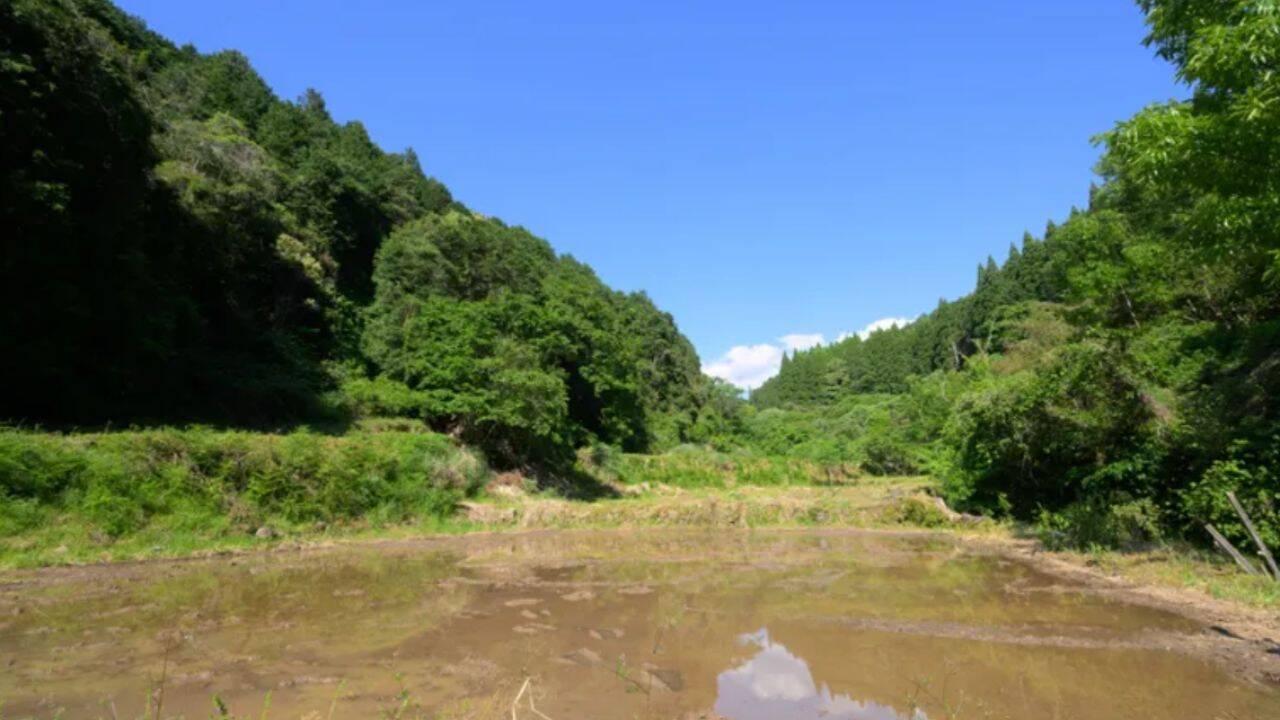
In Japan's Aso region, unused rice fields are being transformed into permanent wetlands, replenishing groundwater and creating safe habitats for frogs, dragonflies and other freshwater species. The community‑driven project shows how idle farmland can support biodiversity while securing water resources for the future.
Key Takeaways
- Abandoned rice paddies converted into year‑round wetlands to restore groundwater.
- Permanent wetlands provide new habitats for frogs, dragonflies and other freshwater wildlife.
- Collaboration between locals and scientists creates a replicable model for ecological restoration.
For decades, many rice paddies in Japan's Aso region lay fallow as the farming population aged and younger generations moved to cities. Without regular upkeep, these fields became overgrown with weeds, and the amphibians and insects that once thrived there vanished. Now, local residents together with researchers have re‑imagined the landscape, turning the derelict paddies into permanent wetlands that stay water‑filled throughout the year.
Historical Background
Rice cultivation has been the backbone of Japanese agriculture since the early 20th century, serving both as a staple food source and a natural water‑retention system. Traditional "tangyaku" – a term meaning “guests of the paddies” – referred to the frogs and insects that inhabited flooded fields, playing a crucial role in pest control. Post‑World War II industrialization, however, led to a steep decline in small‑scale farming, leaving thousands of paddies abandoned and ecosystems disrupted.
Veteran farmer Kazuaki Iwamura, who has been part of the project for roughly 15 years, recalls the lively chorus of frogs and the fluttering dragonflies that once defined the scenery. His memories underscore the cultural and ecological loss that motivated the community to act, aiming to restore not just water, but a living heritage that stretches back generations.
Why This Matters (इसके मायने क्या हैं)
According to BozokMedia analysis, creating permanent wetlands serves a dual purpose: it slowly recharges the underground aquifers that supply drinking water to nearby towns, and it offers a resilient habitat for species threatened by habitat loss. By allowing water to percolate year‑round, flood risk is mitigated, protecting both agricultural lands and residential areas from sudden inundation.
Furthermore, the resurgence of amphibians and insects contributes to natural pest regulation, reducing the need for chemical pesticides and supporting more sustainable farming practices. The model demonstrates how community‑led ecological engineering can be scaled to other water‑scarce regions, delivering tangible benefits for public health, local economies, and global biodiversity goals.
"Permanent wetlands simultaneously address groundwater replenishment and biodiversity recovery, making them a cornerstone for future water‑management strategies."
Frequently Asked Questions (अक्सर पूछे जाने वाले प्रश्न)
Question 1: Will converting paddies into wetlands affect future rice production?
Answer: No, the project targets fields that have been out of cultivation for years, turning them into ecological assets without compromising existing agricultural land.
Question 2: What economic benefits do local communities gain?
Answer: Improved water security boosts crop yields, eco‑tourism attracts visitors interested in wildlife, and educational programs create new revenue streams.