From June 1 to July 16, rainfall fell 24% short of the long‑period average, exceeding the 19% shortfall of the 2002 drought year. The IMD attributes the weakness to El Niño and a neutral Indian Ocean Dipole, forecasting limited heavy rain in eastern and northeastern states.
Key Takeaways
- 2026 monsoon deficit stands at 24%
- Deficit already exceeds the 19% shortfall of the 2002 drought
- El Niño, neutral IOD, and an unfavourable MJO phase are the main drivers
According to the India Meteorological Department (IMD), India received only 224.8 mm of rain between June 1 and July 16, against a Long‑Period Average (LPA) of 295.8 mm – a shortfall of 24 %. This marks one of the most severe mid‑season deficits recorded in recent decades.
Regional Disparities
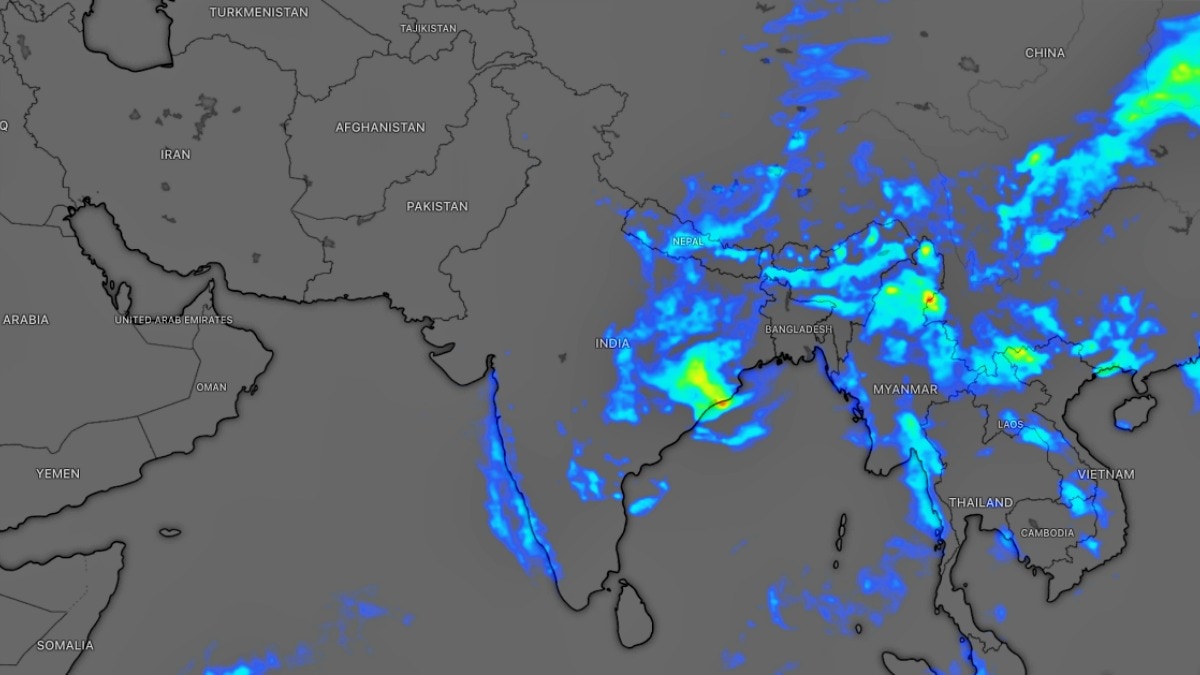
The deficit is far from uniform. Eastern and Northeastern India are lagging by 36 %, the southern peninsula by 26 %, Northwest India by 19 %, and Central India by 13 %. The week of July 9‑15 alone was 51 % below normal, following June’s status as the fifth‑driest month since 1901.
Why Is the Monsoon Weak?
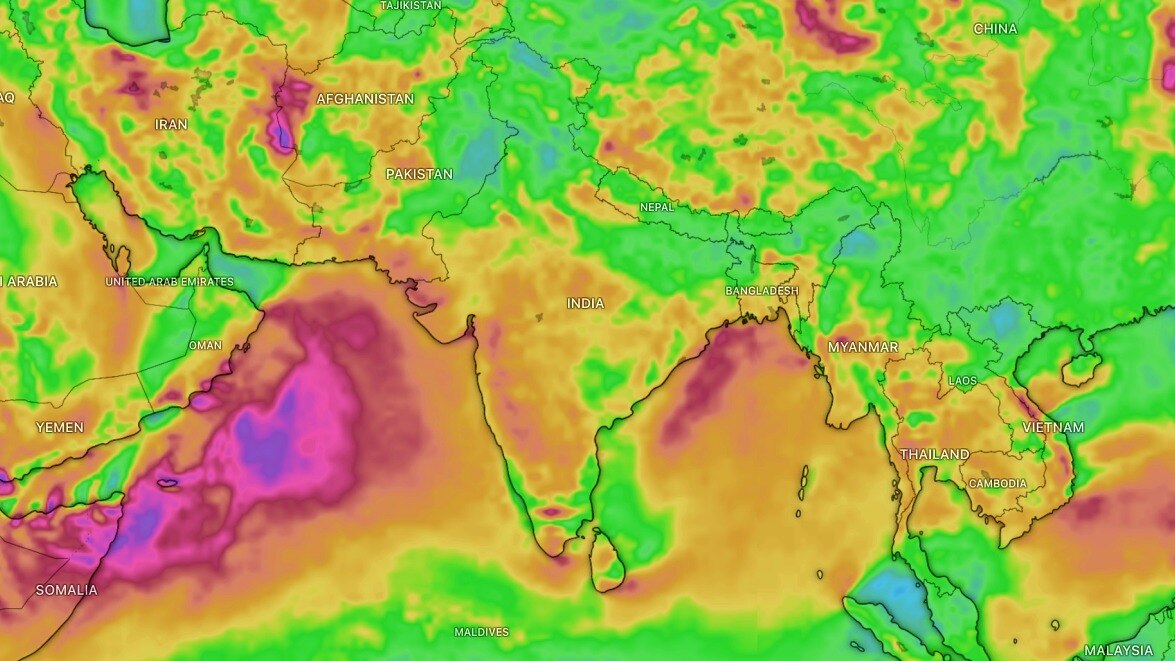
The chief suspect is El Niño – an anomalous warming of the central‑eastern equatorial Pacific that disrupts global wind patterns and weakens the moisture‑laden monsoon flow into the subcontinent. The same phenomenon triggered the catastrophic 2002 drought. Compounding the issue, the Indian Ocean Dipole (IOD) is presently in a neutral phase, offering no compensatory boost, while the Madden‑Julian Oscillation (MJO) is not positioned to enhance rainfall.
Short‑Term Forecast
IMD’s July 16 outlook predicts isolated to very heavy showers over East and Northeast India, eastern Uttar Pradesh, and the western Himalayan belt (Uttarakhand, Punjab). West‑central and South‑peninsular regions are expected to remain largely dry for the coming week. Overall July rainfall is projected at less than 94 % of the LPA.
Drought Risk Assessment
A meteorological drought is declared when seasonal rainfall falls below 75 % of the LPA. While the current 24 % deficit does not meet that threshold, it poses serious concerns for kharif crops—rice, cotton, and pulses—along with reservoir levels that must sustain irrigation until the next monsoon. If the remaining season mirrors the current trend, 2026 could rival 2002 in severity.
Expert Perspective
Climatologists warn that the combination of a strong El Niño event and a neutral IOD places 2026 among the weakest monsoon starts in over two decades. Long‑term water‑resource planning, crop diversification, and adaptive irrigation strategies will be essential to mitigate potential agricultural and economic impacts.